
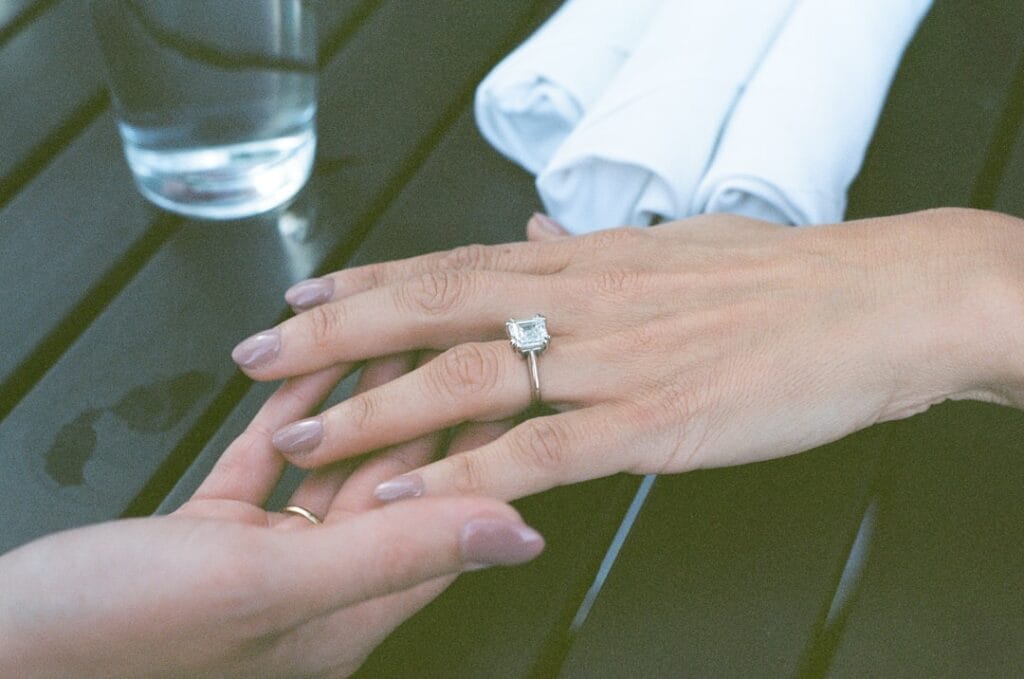
“Diamonds are a girl’s best friend.”
Everyone’s heard the line. It’s been echoed in movies, songs, and magazine covers for decades. The words are older than most of us, but somehow they still carry weight. They bring up an image right away of a sparkle, elegance, and a bit of mystery. There’s a reason that phrase survived long after the film credits rolled. Diamonds got under our skin.
But how did that happen? And why haven’t they gone out of style like everything else from that era?
The answer isn’t simple. Part of it’s emotion. Part of it’s money. And a big part is how something as small as a stone managed to stand for love, loyalty, and power all at once.
The start of the love story
Before the twentieth century, diamonds weren’t the must-have they are now. People loved them, sure, but they weren’t tied to marriage or romance in any major way. They were just expensive rocks that rich people liked.
That changed in 1947. Four words from a De Beers advertising campaign rewired the way the world thought about love: “A Diamond Is Forever.” It was genius. The slogan linked the stone to something emotional, something lasting. Suddenly, a diamond wasn’t just a purchase. It was a promise.
Then came Hollywood. Monroe’s pink satin dress, the music, the glamour and that song, “Diamonds Are a Girl’s Best Friend.” It was contagious. It sold the dream perfectly. Diamonds became part of the language of romance. You didn’t just fall in love. You sealed it with a diamond.
That’s how the myth began. And like most good myths, it contained just enough truth to stick.
Why they stayed
Over time, diamonds stopped being only about romance. They became markers of personal success. A symbol that you made it. Something permanent in a world that keeps shifting.
There’s something comforting about that. A diamond doesn’t fade or rust. It survives every season, every fashion change, every move. You can wear it every day or lock it away for years and it’ll still look the same when you bring it back out. That kind of permanence has its own kind of magic.
For a lot of women, that’s where the deeper meaning sits. The diamond reflects the person wearing it — steady, tough, refined. People say the stone is cold, but that’s not really true. It carries warmth when it’s tied to a moment, a person, or a memory.
Every scratch on a ring, every little nick on the band, tells a story. You remember who gave it to you, or when you bought it for yourself. You remember the time in your life when you felt unstoppable, or the time you needed a reminder that you could be.
That’s why diamonds haven’t lost their place. They’ve evolved right alongside us.
The value behind the shine
Let’s be honest. A diamond is valuable, sometimes shockingly so.
That’s one of the few things that make them unique among luxury items. Cars lose value the moment they’re driven off the lot. Designer clothes fade, shoes wear out, and tech goes obsolete before the warranty ends. A good diamond can hold value for decades, sometimes longer.
It comes down to the basics, those “4Cs” people talk about: cut, color, clarity, carat. Those four things determine how much a diamond is worth. A well-cut stone can be more dazzling than a larger one. The clearer and whiter it is, the rarer it becomes. And rarity always attracts value.
But beyond science, there’s the market. Diamonds don’t just sit in safes and jewelry boxes anymore. There’s a growing trade in secondhand diamonds, and it’s booming.
Maybe someone’s engagement ended. Maybe an heirloom doesn’t fit their taste. Maybe someone just wants to turn old jewelry into cash for something new. Whatever the reason, there’s now an easy way to do it. They can be sold to professional diamond buyers.
These are specialists who know exactly how to appraise and buy stones. They look at certification, measure quality, and offer market-based prices. The process is straightforward. They don’t care about the story behind it, they care about the cut, the weight, and the condition.
A fair deal can turn a quiet piece of jewelry into serious money. It’s one of the rare luxuries that can shift from being emotional to practical without losing its dignity. You can sell a diamond without losing what it meant to you. The memory stays even when the stone goes.
And in a time when people care about value and flexibility more than ever, that matters.
The new version of an old idea
So where does that leave us now?
The phrase “a girl’s best friend” doesn’t carry the same meaning it did seventy years ago. Back then, it was about being adored. Today, it’s about owning your story. Modern buyers see diamonds as something to celebrate themselves with. A ring or pendant isn’t just a gift from someone else, it’s a reward, a keepsake, a statement that says, I’ve earned this.
That’s a quiet revolution. The power shifted.
And then came lab-grown diamonds as a whole new category. They’re real, chemically identical, but created in labs rather than dug from the ground. They’re cleaner, more affordable, and a better fit for people who think about sustainability. Younger generations love them.
Still, natural diamonds hold a different kind of pull. They’re ancient, shaped under pressure over billions of years. There’s something poetic in that — that time, heat, and pressure can create something indestructible. Maybe that’s why the real ones keep winning hearts, even as the world changes.
Whether mined or made, though, they still mean something. They mark beginnings and endings, love stories and fresh starts. They cross generations. They catch light and give it back.
The quiet truth
The line that started this whole thing sounded playful at first. But underneath the glamour and the glitter, it spoke to something deeper. A diamond doesn’t age the way people do. It doesn’t bend under pressure. It doesn’t forget.
It stays.
In a world that’s always chasing the next new thing, that kind of staying power is rare. Whether you wear one on your hand, keep one in a drawer, or decide to sell it and start something new, the value doesn’t disappear. It shifts. The meaning remains.
Diamonds have been called a lot of things, but at the end of the day, they’re reminders. Of love, of time, of strength, of everything that doesn’t fade.
That’s what keeps them close.
That’s why they’re still a girl’s best friend.