
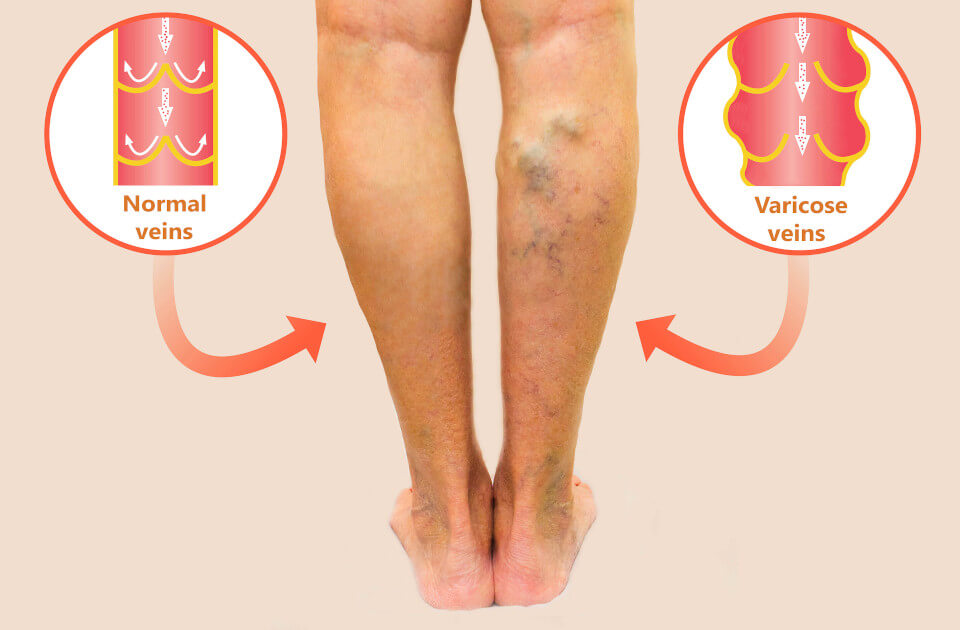
Varicose veins are a common yet often misunderstood vascular condition affecting millions of people. These swollen, bulging veins can cause discomfort, embarrassment, and even serious health complications. Finding a trusted vein doctor near me can make all the difference in managing this condition effectively. Understanding varicose veins—their causes, symptoms, and treatment options—empowers us to take control of our vascular health. In this guide, we’ll explore the key aspects of varicose veins and how we can treat and prevent them together.
What Are Varicose Veins?
Varicose veins are enlarged veins that often appear swollen, twisted, and dark purple or blue in color. They commonly develop in the legs due to the increased pressure in the veins during standing and walking. While they are not merely an aesthetic concern, many people seek treatment to alleviate discomfort and improve appearance.
These veins occur when the one-way valves responsible for maintaining blood flow toward the heart become weak or damaged. As a result, blood can pool in the veins, leading to swelling and the characteristic bulging we often associate with varicose veins. Though not all varicose veins cause pain, many people report symptoms ranging from heaviness and fatigue in the legs to aching or cramping as the day progresses.
The Causes of Varicose Veins
Understanding the root causes of varicose veins is crucial in addressing this condition. Several factors contribute to their development:
- Genetics: A family history of varicose veins can increase our risk, suggesting hereditary factors at play.
- Age: As we age, our veins lose elasticity, making them more prone to stretching and valve failure.
- Hormonal Changes: Hormonal fluctuations during pregnancy, puberty, or menopause can weaken vein walls.
- Obesity: Excess weight places additional pressure on our veins, increasing the likelihood of developing varicose veins.
- Sedentary Lifestyle: Prolonged sitting or standing can hinder proper blood circulation, exacerbating the risk of vascular issues.
- Injury: Previous injuries to the leg can damage veins and contribute to their dysfunction.
By recognizing these factors, we can better understand whether we are at risk and take proactive measures.
Symptoms of Varicose Veins
The symptoms of varicose veins can vary, and many individuals experience them differently. Common indications include:
- Visible Veins: Noticeable bulging veins that may be blue, purple, or skin-colored.
- Swelling: Swollen legs, ankles, or feet, especially after standing or sitting for extended periods.
- Aching or Pain: Discomfort or pain, often described as a heavy feeling in the legs.
- Itching or Burning: A sensation of warmth or itchiness around the affected veins.
- Skin Changes: Discoloration or the development of ulcers near the ankles in severe cases.
We should not ignore these symptoms, as they can worsen over time and lead to more serious issues like blood clots.
Diagnosis of Varicose Veins
Diagnosing varicose veins typically involves a comprehensive examination by a healthcare provider. During our visit, they might perform a physical assessment of our legs, checking for visible veins, swelling, and other symptoms. In some cases, they may recommend a non-invasive test, such as a duplex ultrasound, to assess blood flow and the condition of the valves in our veins. This diagnostic approach helps determine the severity of the condition and guides us toward appropriate treatment options.
Non-Surgical Treatment Options
When it comes to treating varicose veins, non-surgical options often prove effective, especially in the early stages. Some popular non-invasive treatments include:
- Compression Stockings: These specially designed stockings apply pressure to the legs, improving blood flow and reducing swelling.
- Sclerotherapy: This involves injecting a solution directly into the vein, causing it to scar and close, effectively reducing its visibility.
- Laser Treatment: Laser therapy uses focused light to treat smaller varicose veins, leading to their gradual disappearance.
- Endovenous Laser Therapy (EVLT): In this outpatient procedure, a laser fiber is inserted into the vein, closing it off while minimizing recovery time.
These methods not only enhance vein appearance but also alleviate discomfort, allowing us to enjoy a higher quality of life.
Preventive Measures for Varicose Veins
Preventing varicose veins requires proactive efforts on our part. Here are some effective strategies:
- Exercise Regularly: Activity enhances circulation and helps maintain a healthy weight.
- Maintain a Healthy Weight: Reducing excess weight alleviates pressure on veins.
- Elevate Our Legs: Lifting our legs periodically can relieve swelling and improve circulation.
- Avoid Prolonged Sitting or Standing: If our jobs require sitting or standing for long periods, we should try to take breaks, move around, or change positions.
- Wear Compression Stockings: These can be beneficial if we’re at risk or have a family history of varicose veins.
By adopting these preventive measures, we can significantly reduce our chances of developing varicose veins.
Conclusion
To conclude, understanding varicose veins is vital for managing our vascular health effectively. By recognizing the causes, symptoms, and available treatment options, we empower ourselves to take informed actions. Whether we choose non-surgical methods or surgical interventions, addressing varicose veins can lead to improved comfort and aesthetics. Also, implementing preventive measures can protect us from future issues. Let’s prioritize our leg health and take the necessary steps to ensure they remain healthy and vibrant.