
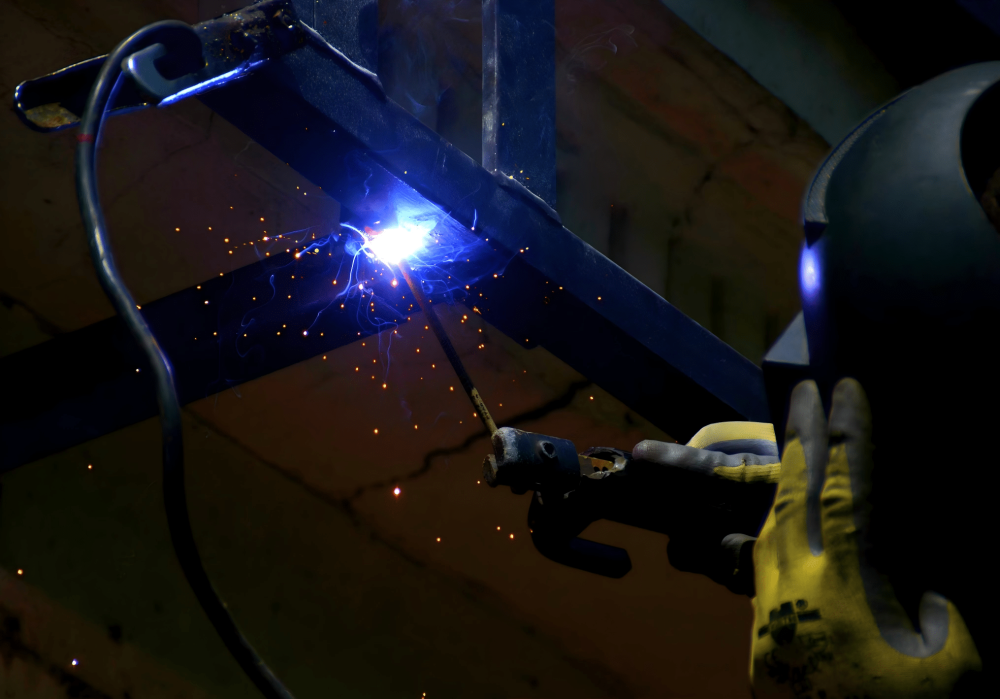
Laser welding can look simple at first, but it can get risky once you are juggling real parts, deadlines, and people moving through the shop. Invisible hazards like reflections, scattered radiation, and fume buildup can catch you off guard, especially when your space has grown over time and access rules, signage, and barriers do not match the true exposure risk. If you want safer, more repeatable results, treat your laser welder setup as a system that needs a plan, a controlled area, and disciplined daily checks.
Choosing Safety-Ready Equipment
The equipment you choose affects how easily you can work safely. Denaliweld publishes laser-safety resources and describes controls, such as an emergency stop on the head, protective helmets that filter common fiber-laser wavelengths, and enclosure-style welding stations with protective viewing panels and door interlocks. If you want a concrete example of how systems and accessories are organized, you can review a product overview like this.
Safety Program Foundations for Laser Welding
A strong program starts before you power on. Write down how you control exposure, who is authorized to do what, and what “stop work” looks like.
Operating Environments and Use Cases
Dedicated stations for repeat parts are easier to manage because boundaries and sightlines stay stable. Flexible bays need tighter entry rules, since part geometry and reflection angles change job to job. Automated cells can reduce exposure during production, but risk often spikes during teaching and maintenance when guarding is open.
When your environment changes, document what changes with it, because an unplanned shift can turn a laser welder job into guesswork.
Procedures, Documentation, and Authorization
Define roles so it is clear who can run production, change parameters, and service the system. Use brief checklists for startup, changeover, and shutdown. When introducing a new material, coating, or finish, you need a quick review before anyone runs it live.
Work Area Design, Barriers, and Access Control
Good design reduces the number of split-second decisions you have to make.
Controlled Layout and Physical Separation
Mark a controlled zone and treat its boundary as a real control. Keep shiny tools and polished scrap out of the weld area to reduce the risk of reflections. Where possible, use barriers such as curtains, panels, or an enclosure so people cannot step into line of sight.
Walk the space like a first-time visitor. If it is not obvious where you should not stand or look, the layout relies on memory, and that is a weak control for any laser welder station.
Safeguarding for Manual and Automated Work
Manual and automated workflows can both be safe, but they fail differently:
| Safety Focus | Manual or Handheld Work | Automated or Cell Work |
| Exposure Control | Boundary discipline, stable positioning | Guarding integrity, interlocks, safe teaching |
| Reflection Risk | Higher as angles vary | Lower in runs, higher during setup |
| Common Failure | Rushed changeovers and drifting aim | Bypassed guarding and unclear restarts |
| Best Early Fix | Standard layout and entry rules | Restart checks and guarding audits |
Signage, Traffic Flow, and Consistency
Place warnings where decisions happen, including entry points and control interfaces. Back them up with floor markings and a walking route that avoids the controlled zone. Keep layouts consistent so emergency controls and safe standing positions stay predictable.
Personnel Readiness: Training, Roles, and Human Factors
Your goal is to build routines that hold up under fatigue and time pressure.
Operator Training and Skill Maintenance
Training should cover hazard recognition, not just technique. Refresh training on a schedule and after a near miss or process change. For a standards starting point in the U.S., see OSHA’s laser hazards page.
Ergonomics and Safe Setup Practices
Set the station height so you can maintain a stable posture and a consistent distance to the joint. Manage cables so they do not tug the head off-line or create trip hazards. Standardize clamping so you are not trying to hold parts while you weld.
Clean Work Practices for Sensitive Industries
Oils, coatings, and residues can change fumes and increase rework. Keep cleaning supplies separate, label consumables, and include a ventilation check whenever you switch from cleaning to welding.
Process Safety During Welding and Cleaning
Process risk shows up when the job changes.
Job Planning for Material Variability
Confirm material, thickness range, and surface condition. Pay extra attention to highly reflective parts and assemblies where energy could reach unintended surfaces. Treat unknown coatings as high-risk until you confirm the controls and ventilation.
Thermal Effects and Adjacent Controls
Parts can stay hot longer than they look. Define where hot parts go and how they are marked, keep combustibles out of the area, and make ventilation non-negotiable. OSHA’s welding fume fact sheet is a helpful overview.
Mode Management for Multi-Function Systems
If your system supports welding and cleaning, confirm the selected mode, confirm the correct nozzle or setup, and confirm ventilation before enabling output.
Maintenance, Inspection Discipline, and Operational Readiness
Maintenance discipline keeps safeguards real.
Routine Checks for Reliable Operation
Verify that barriers and interlocks function, emergency stops respond, and ventilation is running. Inspect protective windows and lenses for damage or contamination. Denaliweld’s published safety guidance also highlights daily-use items like protective stations and helmets, which you can use to shape your own inspection list.
Records, Certifications, and Audit Readiness
Track training dates, maintenance actions, and faults that affected operation so you can restart after downtime with fewer guesses.
Fault Response and Restart Controls
Treat unexpected behavior as a stop event. Pause, secure the area, correct the issue, then restart in a controlled way.
Conclusion
Laser welding is safest when your controls still work on your busiest day. Build a simple program, design your space to control access, keep training current, and maintain equipment so safeguards continue to work as intended. For health context on welding fumes and exposure concerns, review CDC/NIOSH guidance. If you want your laser welder operation to scale without close calls, keep improving the setup you use every day, and keep your process current with sources you trust, including OSHA, CDC/NIOSH, and Denaliweld.