
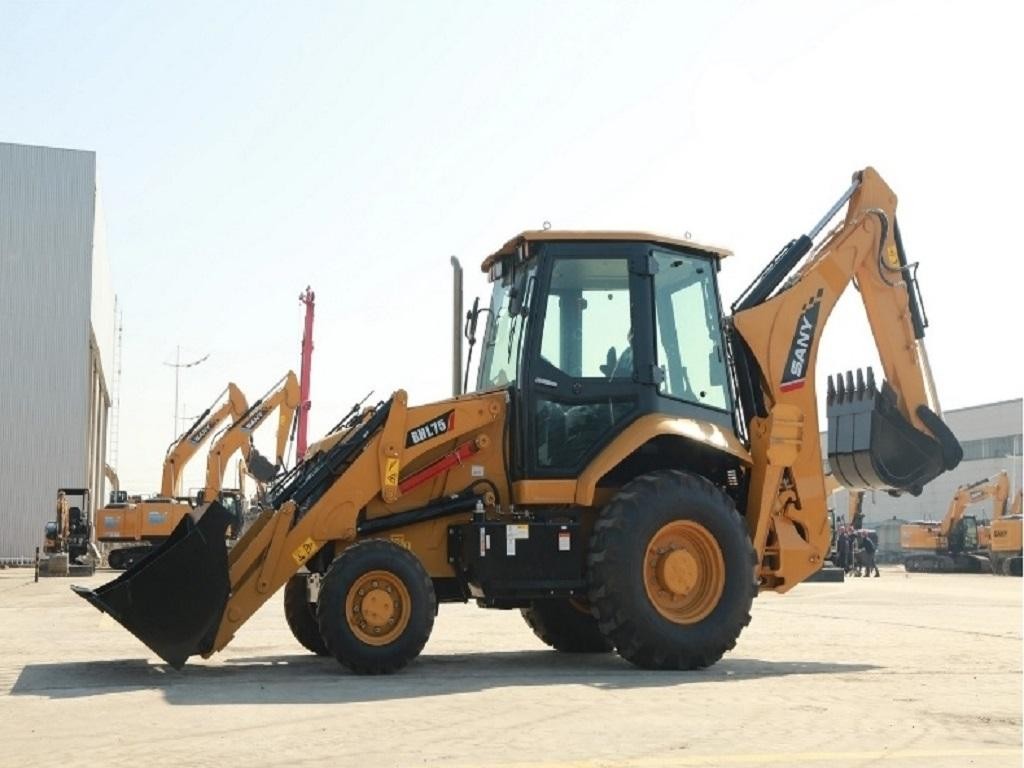
A backhoe loader is a valuable asset for construction, agricultural, and landscaping tasks. Like any heavy machine, it requires continuous upkeep to remain dependable and extend its working life. Operators who perform regular checks and adhere to service schedules might minimize costly downtime and unexpected repairs. Proper maintenance also increases job site safety by ensuring that the loader operates smoothly and responds accurately to controls. Simple daily routines, paired with weekly, monthly, and seasonal maintenance, assure the machine’s productivity for years. These maintenance suggestions can help you safeguard your equipment, save money, and complete your tasks on time.
What Are the Daily Maintenance Checks?
Inspect Fluids and Filters
Check the engine oil, coolant, hydraulic fluid, and transmission oil every day before starting the loader. Low or filthy fluids can quickly lead to engine wear and hydraulic failure. Replace or clean filters as needed to prevent pollutants from entering the system. Operators should monitor fluid levels and look for leaks throughout the machine. A tiny leak detected early is far less expensive to repair than a large breakdown. Inspections should be recorded in a logbook to ensure that the maintenance plan remains constant. Taking 10 minutes each morning to inspect fluids and filters will help prevent significant damage and keep the backhoe loader functioning smoothly.
Check Tires, Brakes, and Hydraulics
Tires support the loader’s weight and provide stability on rough terrain. Look for cuts, punctures, and low air pressure, which can lead to accidents or uneven wear. Brakes must be checked before use, since inadequate braking might result in major risks on the jobsite. The hydraulic system powers the boom, bucket, and other attachments, so check the hoses and connections for leaks or cracks. If a minor hydraulic issue is overlooked, it can quickly degrade performance and pose a risk to safety. Daily inspections of these components assist in maintaining operator control, increasing efficiency, and decreasing downtime, making the loader safer and more dependable on every operation.
Clean the Machine After Each Use
Dust, muck, and debris accumulate fast on a backhoe loader, particularly after lengthy shifts. Cleaning the machine after each usage prevents debris from clogging filters, wearing moving parts, and concealing leaks. To minimize overheating and strain, clean the radiator, engine bay, and hydraulic joints thoroughly. Washing also allows operators to spot fractures, corrosion, and wear that might otherwise go undetected. A clean loader runs more effectively and seems more professional on construction sites, which is critical when clients or inspectors are present. Regular cleaning is a simple procedure that maintains the machine’s value and readiness for use.
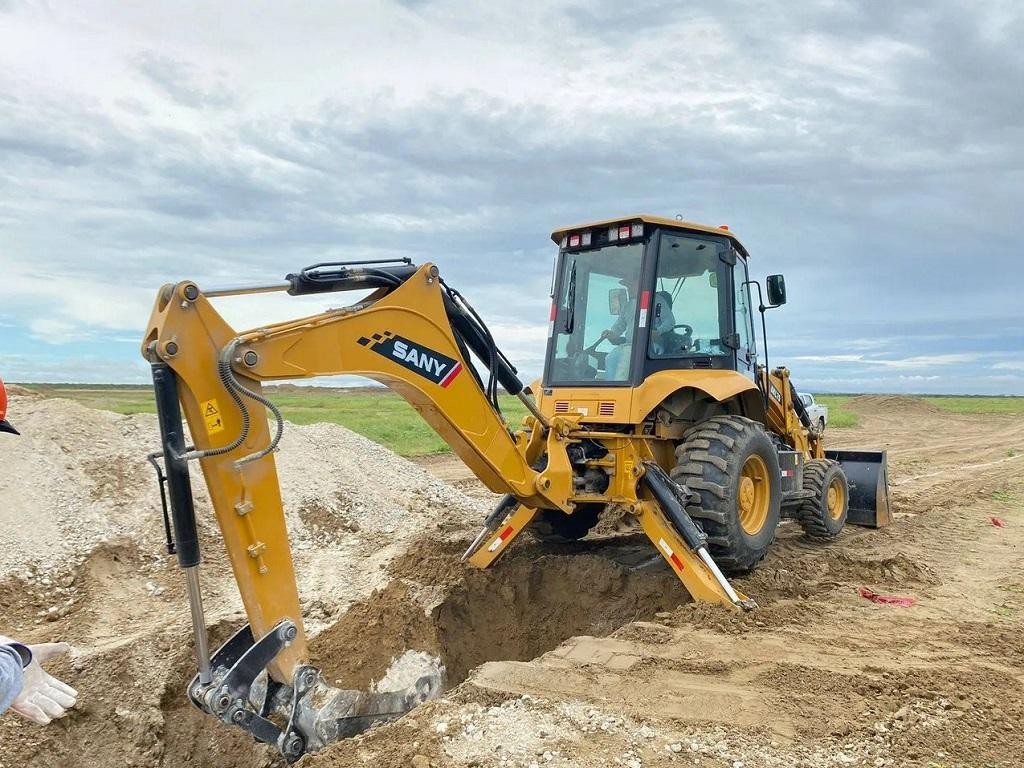
How to Perform Weekly and Monthly Service?
Lubrication and Greasing
Weekly lubrication of pins, joints, and moving components decreases friction and avoids premature wear. Use the manufacturer’s suggested oil to ensure durability under severe loads. Skipping lubrication can cause parts to seize, resulting in costly repairs and lost time. To avoid driving dirt inside, wipe the fittings clean before adding oil. While greasing, look for unusual play or noise that might indicate wear. A regular lubrication practice ensures that components run smoothly and last longer. It just takes a few minutes and has a significant influence on performance, making it an essential component of regular servicing.
Examine Hoses, Pins, and Couplers
Weekly and monthly maintenance should involve a thorough inspection of hydraulic hoses, pins, and fast couplers. Cracks, bulges, or worn patches on hoses indicate a possible leak or failure under pressure. Pins that loosen or show excessive wear diminish attachment stability and may result in unequal movement. To avoid hydraulic leakage, quick couplers should be securely locked and well sealed. Replace worn parts as soon as possible rather than waiting for a breakdown, because hydraulic failures might completely cease work. Regular examination of these regions enables safe attachment changes and consistent power delivery, safeguarding both the machine and the user while performing difficult tasks.
Test Electrical Systems and Lights
Electrical systems are sometimes disregarded, although they play a critical part in backhoe loader operations. Examine the battery terminals for corrosion and confirm the charge is sufficient to start the machine in all situations. Inspect the wiring for any damage that might cause a short or failure. Test the headlights, indicators, and warning lights since they provide safety at night or in low-visibility situations. Malfunctioning lights not only compromise safety but may also result in fines on regulated labor sites. A monthly examination of the whole electrical system assures dependability, reduces unexpected malfunctions, and keeps the loader in compliance with workplace safety regulations.
Seasonal and Long-Term Maintenance Tips
Winterizing and Cold Weather Care
Cold weather makes it difficult to start backhoe loaders and puts additional strain on fluids and batteries. Use winter-grade engine oil and hydraulic fluids that do not thicken in cold temperatures. Check glow plugs and block heaters to guarantee a smoother start. Batteries lose power in cold weather, so verify the charge often and maintain the connections clean. Allow the engine to idle and warm up before applying full load to prevent damage. To preserve the machine from snow and ice, store it in a covered spot if feasible. For contractors dealing with heavy winter conditions, investing in professional snow removal for Minneapolis can help keep worksites accessible and safe for both equipment and personnel. Winterizing guarantees that the loader performs reliably even under extreme weather conditions.
Summer Operation and Cooling System Checks
Hot weather strains the cooling system and raises the possibility of overheating. Inspect the radiator for dirt and clean the fins to ensure optimal airflow. Ensure that coolant levels are right, and use the suggested summer mix. Belts and hoses should be inspected for cracks or soft places, since heat increases wear. Monitor the temperature gauge while operating in excessive heat, and avoid overloading the equipment during the warmest hours of the day. Regular cooling system maintenance during the summer keeps the engine running at safe temperatures, prevents malfunctions, and ensures optimum productivity on the job.
Store Equipment Properly During Off-Season
Proper storage helps maintain the loader’s condition when it will not be utilized for weeks or months. Get rid of any dirt that might lead to rust and clean the entire equipment. To avoid system blockages, add stabilizers or drain the gasoline. To extend the battery’s life, disconnect it or use a trickle charger. To keep the loader safe from rain and UV rays, store it in a dry, covered area. Corrosion can also be avoided by covering exposed hydraulic cylinders. Off-season storage guarantees the backhoe loader is prepared to function properly when work starts and helps save expensive repairs.
Conclusion
A backhoe loader represents a valuable asset, and regular maintenance protects both its performance and resale value. Simple daily checkups, such as examining fluids, tires, and hydraulics, save minor issues from turning into significant breakdowns. Lubrication, hose inspections, and electrical testing are performed on a weekly and monthly basis to keep the equipment in good working order. Seasonal upkeep guarantees smooth functioning in both hot and cold temperatures, while proper off-season storage increases total longevity. Operators who follow these maintenance suggestions save money on repairs while simultaneously improving safety, efficiency, and dependability. Consistent maintenance ensures that the loader will continue to be productive for many years.