
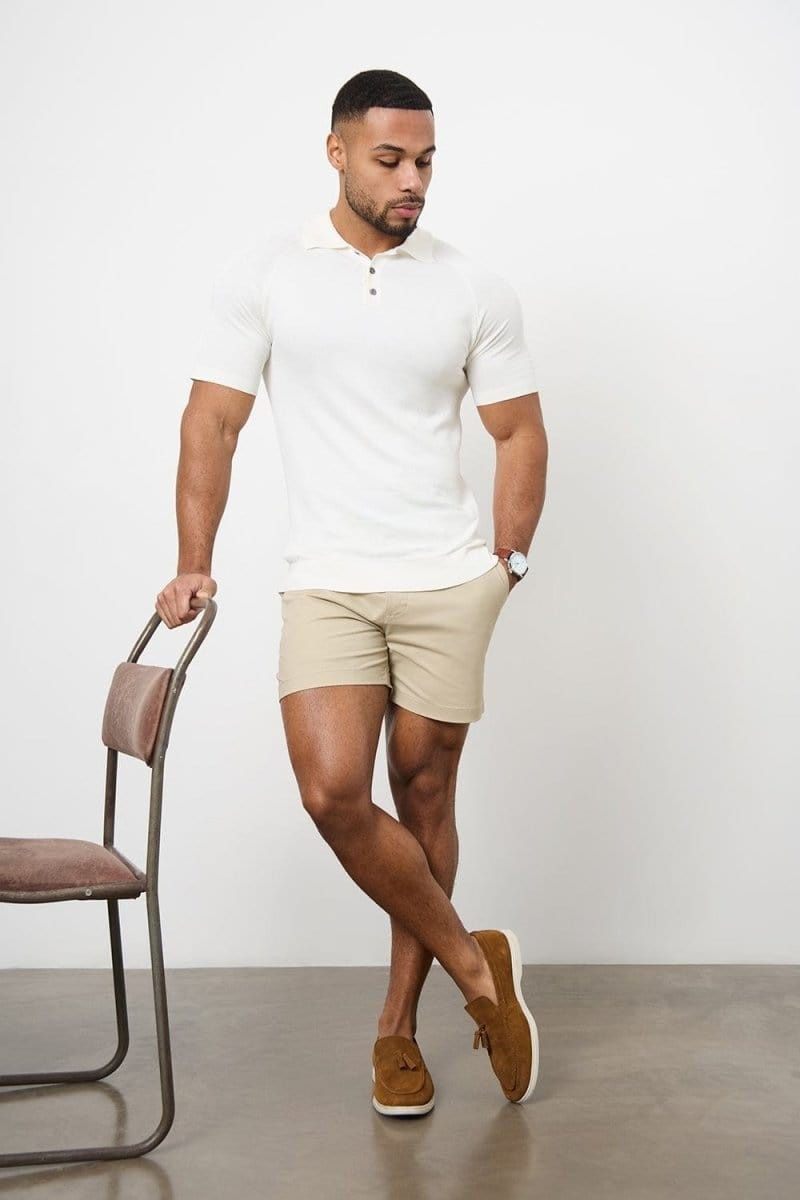
Clothing has always served as more than just a necessity. What we wear influences how we feel, how we move, and how we express ourselves. Over the years, fashion trends have continuously evolved, but one consistent theme remains: people want to feel comfortable and confident in their clothes. Today, comfort-focused fashion is reshaping how individuals select apparel for work, social occasions, and everyday life.
Comfort: A New Standard in Fashion
Historically, clothing styles often prioritized appearance over practicality. Many traditional garments were restrictive, heavy, or uncomfortable. In recent years, however, there has been a clear shift toward comfort as a top priority. Soft fabrics, flexible materials, and relaxed silhouettes have grown in popularity.
Consumers are now more mindful of how clothing affects their well-being. Materials that breathe and allow free movement can improve posture, reduce fatigue, and boost confidence. When people feel good physically, they are more likely to maintain a positive attitude throughout their day.
The Rise of Functional Fashion
Functionality has become a key feature in modern apparel design. Athletic wear, once used primarily for sports activities, is now embraced for casual and even semi-formal settings. Stretch fabrics, moisture-wicking technology, and ergonomic cuts help individuals stay comfortable whether they are working, traveling, or socializing.
This blending of athletic and everyday clothing has led to the rise of athleisure — a style built on versatility and performance. Items such as leggings, breathable tops, and comfortable footwear demonstrate how fashion can adapt to active lifestyles. Even more tailored pieces, like tailored Athlete shorts, reflect this shift toward clothing that supports both function and personal expression.
The Psychology of Dressing Well
What we wear can have a significant impact on our self-perception and mood. Psychologists refer to this concept as “enclothed cognition,” which suggests that clothing influences not only how others see us but also how we think and behave.
Wearing clothes that fit well and suit our personal style can:
- Boost self-confidence
- Increase motivation
- Encourage positive social interactions
- Support mental well-being
This is why many people invest in pieces that align with their identity and make them feel assured, whether they are at work, at the gym, or spending time with friends.
Body Inclusivity in Fashion
Another major movement shaping modern clothing is inclusivity. The fashion industry has gradually expanded its approach to sizing and representation. For a long time, people outside a narrow size range struggled to find stylish clothing that fit properly. Today, more brands recognize the importance of serving diverse body types.
Inclusive fashion means designing clothing that fits a wide range of shapes and proportions — not simply resizing the same template. When individuals find clothes that fit comfortably and flatter their figures, they experience greater self-acceptance and pride in their appearance.
Campaigns featuring diverse models have also helped challenge outdated beauty standards. Representation matters, and seeing real-world body shapes promotes a healthier and more positive view of fashion.
Balancing Style and Sustainability
Modern consumers are increasingly focused on sustainability. The fashion industry’s impact on the environment has driven awareness of the importance of responsible purchasing. People are becoming more selective, choosing items that are durable, versatile, and made from eco-friendly materials.
Some ways consumers are embracing sustainability include:
- Buying fewer, higher-quality garments
- Choosing clothing made with recycled or organic fibers
- Supporting ethical production practices
- Upcycling or repairing older items
- Participating in thrift and resale markets
Sustainable choices help reduce waste and encourage long-term use rather than disposable consumption.
Technology’s Role in Clothing Innovation
Technology continues to reshape how clothing is designed, produced, and customized. Smart textiles — fabrics that respond to temperature changes, movement, or moisture — enhance comfort in ways previously unimaginable. 3D printing and advanced scanning systems are transforming how garments are fitted, allowing personalized adjustments for better performance and ease.
Additionally, online shopping has introduced virtual try-on tools and sizing calculators to help consumers make accurate choices without physically visiting a store. This digital shift has expanded access to diverse clothing options and style inspiration from all over the world.
The Future of Comfortable Style
As society becomes more active, health-conscious, and technologically connected, fashion will continue to evolve. Apparel designed for comfort, confidence, and practicality is expected to remain at the forefront of the industry.
Future trends may include:
- More personalization and made-to-measure solutions
- Increased sustainability standards
- Smart clothing with enhanced physical benefits
- Designs that blur the line between professional and casual wear
Regardless of how styles change, the goal remains the same: clothing that allows people to move freely, feel good, and express themselves confidently.