
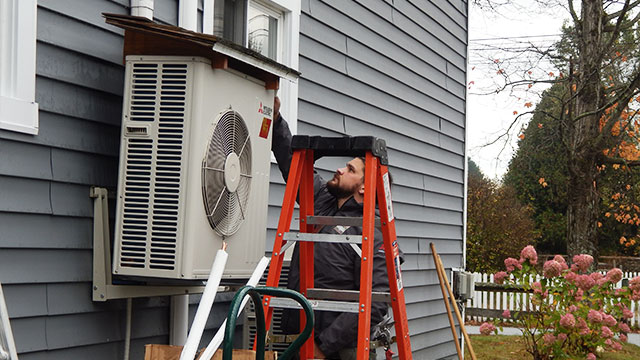
When you live in a larger home, comfort becomes more than a luxury—it’s a necessity. With more rooms, higher ceilings, and sprawling layouts, heating and cooling needs grow more complex. Ensuring consistent temperatures throughout your home isn’t just about choosing a powerful HVAC unit; it’s about understanding how large-scale systems work and how to optimize them for long-term efficiency. If you’re building, renovating, or simply upgrading your system, this guide will walk you through the essentials of HVAC design and performance in bigger homes.
Why Larger Homes Need Specialized HVAC Solutions
Small homes typically require only one HVAC system, but big homes often demand more strategic planning. Larger footprints mean more air to move, more zones to manage, and more opportunities for temperature imbalance. Without the right setup, you may experience hot and cold spots, skyrocketing energy bills, or unnecessary strain on your equipment.
That’s why HVAC design for bigger homes focuses on customization. Instead of relying on a one-size-fits-all approach, professionals consider things like square footage, insulation levels, sun exposure, ceiling height, and room usage. These factors help determine system size, duct layout, zoning needs, and energy-efficient upgrades.
The Importance of Proper Sizing
When it comes to HVAC systems, bigger does not always mean better. Oversized units cool or heat your home too quickly, causing frequent cycling that wears down components and leads to poor humidity control. Undersized units, on the other hand, struggle to keep up—running constantly and consuming excess energy.
Proper sizing requires a professional load calculation (often called a Manual J). This process evaluates every detail of your home’s structure and environment, ensuring your system is perfectly matched to your needs. In larger homes, precise sizing is crucial to avoid discomfort, noise, and inefficiency.
Multi-Zone Systems: A Game Changer for Big Spaces
One of the smartest upgrades for a large home is a multi-zone HVAC system. Zoning divides your home into separate areas, each controlled by its own thermostat. This means you can cool the bedrooms at night without wasting energy on unoccupied living spaces or keep the main floor warm without overheating the upstairs. Additionally, many homeowners wonder, “Do mini splits improve indoor air quality?” The answer is yes, as mini splits can filter and purify the air, reducing allergens and pollutants. Benefits of zoning include better comfort—no more battling temperature inconsistencies, energy savings—heat or cool only the areas you need, and personalization—family members can choose their own preferred temperatures. Zoning typically involves motorized dampers in the ductwork and a central control panel. When set up correctly, it delivers superior comfort compared to a single-zone system, especially in large homes with varied usage patterns.
Benefits of zoning include:
- Better comfort — No more battling temperature inconsistencies.
- Energy savings — Heat or cool only the areas you need.
- Personalization — Family members can choose their own preferred temperatures.
Zoning typically involves motorized dampers in the ductwork and a central control panel. When set up correctly, it delivers superior comfort compared to a single-zone system, especially in large homes with varied usage patterns.
Efficient Ductwork: The Hidden Key to Performance
Ductwork plays a major role in how well your HVAC system performs. In a big home, ducts may run across multiple floors, attics, crawl spaces, or long distances. Poorly designed ducts can result in weak airflow, noisy operation, and wasted energy.
Key considerations for duct efficiency include:
- Correct duct size to maintain proper airflow
- Sealed joints to prevent leaks
- Insulated ducts to reduce heat loss
- Strategic routing to minimize unnecessary bends and restrictions
Even small components make a difference—for example, turning vanes HVAC systems sometimes use in duct elbows help guide airflow smoothly through sharp turns, reducing resistance and improving efficiency.
When considering the installation of a large-scale HVAC system, it’s crucial to evaluate the specific needs of your home or business. Factors such as square footage, climate, and energy efficiency goals play a significant role in determining the right system. Consulting with professionals in the field can provide valuable insights and ensure optimal performance. For those in the Concord area, exploring options for hvac concord services can lead to tailored solutions that enhance comfort and efficiency. By prioritizing these considerations, you can achieve a harmonious balance between comfort and cost-effectiveness, ensuring your space remains inviting and energy-efficient throughout the year.
High-Efficiency Equipment Matters
Bigger homes often benefit from high-efficiency HVAC units with features like variable-speed motors, two-stage compressors, and smart thermostats. These advanced systems adjust output based on real-time demand—running lower and slower when possible to maintain steady temperatures with less energy. When evaluating long-term operating costs, it’s also important to factor in local energy pricing, such as ozona electricity rates, since even efficient systems rely heavily on power usage in larger homes. Choosing an HVAC system that aligns with both your home’s size and regional utility costs can significantly reduce monthly expenses while maintaining consistent comfort.
Look for:
- ENERGY STAR®–rated equipment
- Variable-speed blowers for quieter, more even airflow
- Heat pumps (great for mild climates)
- Hybrid systems combining heat pump and furnace
- Smart controls to automate comfort
While these upgrades can cost more upfront, they significantly reduce operating expenses and extend system lifespan.
Regular Maintenance Keeps Everything Running Smoothly
Larger homes put more demand on HVAC systems, making routine maintenance essential. Schedule professional tune-ups twice a year—once for heating and once for cooling. This ensures all components are clean, calibrated, and functioning properly.
Your checklist should include:
- Changing filters regularly
- Inspecting ductwork for leaks
- Cleaning coils and blower components
- Testing system controls
- Checking refrigerant levels
- Verifying airflow across all zones
Consistent care not only prevents breakdowns but also enhances energy efficiency and indoor air quality.
Final Thoughts
Creating consistent, comfortable temperatures in a large home requires thoughtful planning and the right HVAC setup. From proper sizing to zoning, duct design, and high-efficiency equipment, every detail contributes to smoother operation and better long-term savings. When you invest in a well-designed HVAC system tailored to your home’s size and layout, you’ll enjoy year-round comfort—no matter how big your space may be.
When considering the installation of a large-scale HVAC system, it’s crucial to ensure that it operates efficiently and reliably. Regular maintenance and timely repairs are key to extending the lifespan of your system and maintaining optimal performance. If you’re experiencing issues or need professional assistance, you might find yourself looking for HVAC repair service near me. This can help you connect with local experts who understand the specific needs of larger homes and can provide tailored solutions. By addressing potential problems early, you can prevent costly breakdowns and ensure your home remains comfortable year-round.