
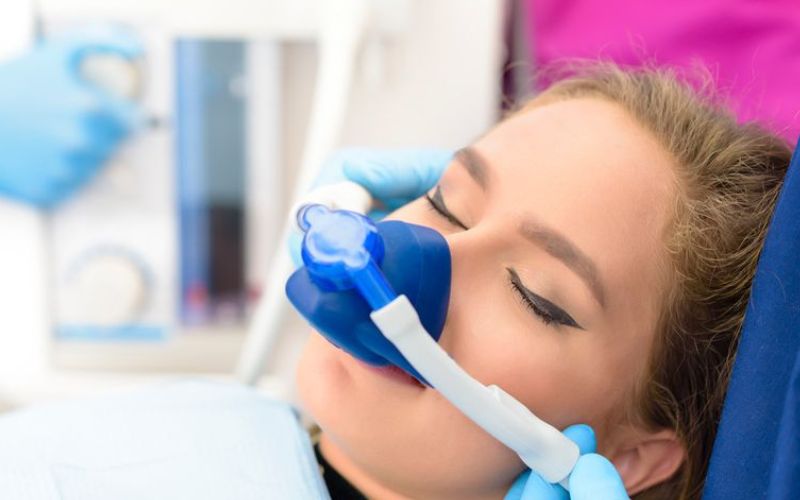
For many individuals, a trip to the dentist can trigger more than just mild discomfort—it can provoke intense anxiety that deters regular oral care. Dental fear is far from uncommon; studies suggest that a significant portion of adults avoid routine check-ups due to stress or previous negative experiences. This avoidance can escalate minor dental issues into serious health concerns, affecting not only teeth but overall well-being. The modern dental landscape, however, is evolving to accommodate these needs with solutions that prioritize both comfort and comprehensive care. Among the most transformative innovations is sleep dentistry, an approach designed to make even the most daunting procedures seamless and stress-free.
Patients who embrace this approach can truly enjoy a worry-free dental future through sleep dentistry. By integrating sedation techniques into routine practice, dental teams foster an environment where anxiety is no longer an obstacle. Sleep dentistry, also known as sedation dentistry, incorporates various methods to calm patients before and during treatment. Unlike traditional anesthesia, which primarily targets pain, sleep dentistry emphasizes relaxation and emotional ease. Techniques range from mild oral sedatives for nervous patients to intravenous (IV) sedation for those with more profound fears. For many, the experience resembles a restful nap rather than a clinical procedure, allowing them to wake up feeling relaxed and refreshed without lingering discomfort. This gentle approach is particularly valuable for patients requiring extensive work, such as root canals, extractions, or complex restorations, who might otherwise avoid treatment due to apprehension.
Modern sleep dentistry is supported by advanced monitoring technology, ensuring patient safety at every stage. Vital signs are continuously observed, and dosage is carefully calibrated based on the patient’s medical history and specific needs. This precision allows dentists to tailor treatments with an unparalleled level of control, maximizing comfort while minimizing risk. Importantly, this method fosters a sense of trust between patient and provider; the fear of unpredictability, a common source of dental anxiety, is virtually eliminated.
For families, sleep dentistry is a game-changer. Parents can ensure that their children receive necessary dental care without trauma, instilling positive oral habits from an early age. Adults, meanwhile, benefit from the ability to address multiple procedures in a single visit, reducing the cumulative stress associated with frequent appointments. By streamlining care in a stress-free environment, patients can maintain oral health without the emotional burden that often accompanies dental visits.
The psychological impact of sleep dentistry extends beyond the dental chair. Many patients report an increased willingness to engage in routine maintenance, such as cleanings and check-ups, once their fear is managed effectively. This proactive engagement is critical, as untreated dental issues can lead to complications including infections, gum disease, and systemic health problems. By removing the barrier of fear, sleep dentistry empowers patients to take control of their oral health, fostering long-term benefits that ripple through other aspects of life.
Furthermore, sleep dentistry is adaptable to a variety of procedures and patient profiles. Whether dealing with severe gag reflexes, sensitive teeth, or complex surgical interventions, sedation techniques can be customized for maximum efficacy. This flexibility allows dental professionals to deliver comprehensive care without compromise, maintaining high standards of treatment while prioritizing patient comfort.
Technology and patient-centric practices also converge to create a fully supportive environment. Modern clinics are equipped with calming atmospheres, music therapy, and trained staff who specialize in anxiety management. Together with sedation techniques, these measures contribute to a holistic experience that minimizes stress, enhances safety, and improves overall outcomes.
For individuals who have historically postponed dental care, sleep dentistry offers a transformative alternative. By enabling patients to undergo procedures without fear, it addresses a common barrier that leads to serious oral health consequences. With each successful visit, patients build confidence and resilience, gradually eliminating the dread that once defined their dental experiences. This paradigm shift reflects a broader commitment to healthcare accessibility, ensuring that dental treatment is not just about teeth, but about wellbeing and peace of mind.
This shift enables a more proactive, consistent, and compassionate model of care, demonstrating that oral health and emotional comfort can coexist harmoniously. For those who have avoided care due to fear, it serves as a reminder that anxiety can lead people to delay or completely avoid dental visits—and that modern solutions are available to transform the experience entirely.