
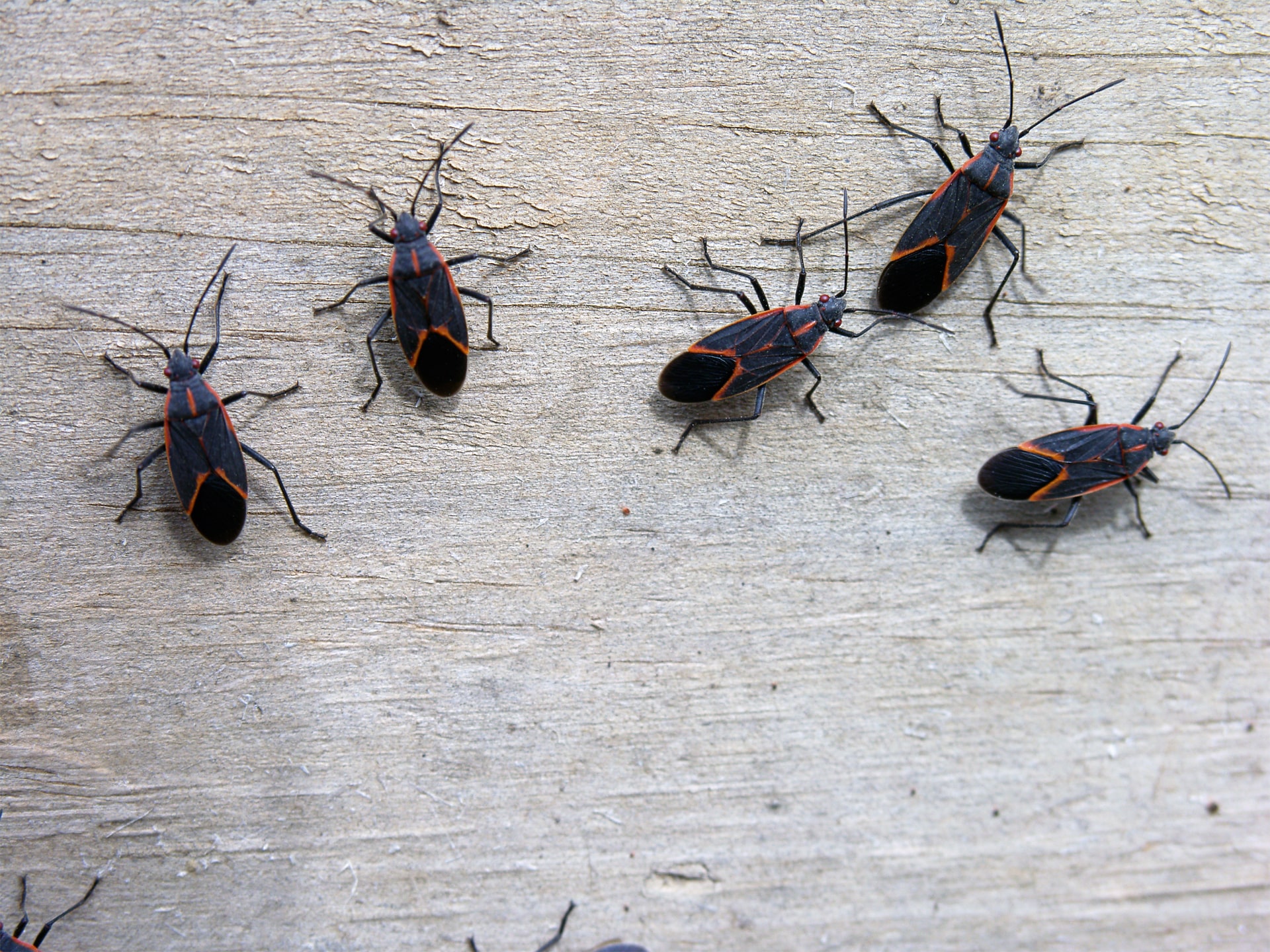
Boxelder bugs are a common nuisance in many homes, especially during the cooler months when they seek warmth and shelter indoors. Despite efforts to keep homes tightly sealed, these persistent insects often find their way inside, causing frustration for homeowners. The secret to their success lies in their ability to exploit even the smallest gaps around windows and doors. Understanding how these tiny openings provide access for boxelder bugs is crucial for preventing infestations and maintaining a comfortable living environment. By learning more about their behavior and the vulnerabilities in home construction, homeowners can take effective steps to keep these pests at bay.
Why small gaps matter for boxelder bugs
The anatomy of a boxelder bug and its entry tactics
Boxelder bugs are slender, flat-bodied insects that measure about half an inch in length. Their unique body shape allows them to squeeze through incredibly narrow spaces, making them adept at infiltrating homes that appear well-sealed. The exoskeleton of a boxelder bug is both flexible and durable, enabling it to compress its body and maneuver through cracks as thin as a credit card. These insects are also persistent, often spending hours searching for weak points around windows, doors, and siding. Once a suitable gap is found, they use their legs and antennae to probe and push their way inside. The attraction to warmth and light further motivates boxelder bugs to seek entry, especially as outdoor temperatures drop. Their ability to exploit small gaps is not just a matter of size but also of determination and adaptability, making them a formidable challenge for homeowners.
How window gaps become entry points
Even the most meticulously constructed homes can develop small gaps around windows over time. Weather changes, settling foundations, and regular wear and tear can cause window frames to shift or caulking to deteriorate, creating tiny openings that are often overlooked. These gaps may be invisible to the naked eye but are more than sufficient for boxelder bugs to enter. The insects are drawn to the warmth that escapes through these openings, especially during the fall and early winter. As they congregate on the sunny sides of homes, they instinctively search for any available entry point. Once inside, boxelder bugs can quickly multiply, taking advantage of the shelter and stable temperatures. Homeowners may notice increased activity near windows, as the bugs are attracted to light and warmth. Addressing these gaps promptly is essential to prevent a minor issue from becoming a full-blown infestation. For those in Utah, boxelder bug control Salt Lake City services can provide targeted solutions to address these vulnerabilities and keep homes protected.
Seasonal behavior and migration patterns
Boxelder bugs exhibit distinct seasonal behaviors that influence their movement and entry into homes. During the spring and summer, they primarily reside outdoors, feeding on boxelder, maple, and ash trees. As temperatures begin to drop in late summer and early fall, these insects start to seek out warm, sheltered locations to overwinter. Homes become prime targets due to the consistent warmth and protection they offer. Boxelder bugs are particularly attracted to the south and west sides of buildings, where sunlight creates warmer surfaces. They gather in large numbers on exterior walls, windows, and doors, searching for any available entry point. The migration is not random; it is a coordinated response to environmental cues such as temperature changes and daylight hours. Once inside, boxelder bugs remain relatively inactive, hiding in wall voids, attics, and other secluded areas until spring arrives. Understanding these seasonal patterns is crucial for timing preventive measures and minimizing the risk of infestation.
The impact of home construction and maintenance
The construction and ongoing maintenance of a home play a significant role in determining its vulnerability to boxelder bug invasions. Modern homes are designed with energy efficiency in mind, but even the smallest oversight during installation can create entry points for pests. Over time, materials such as wood, vinyl, and caulking can degrade, leading to the formation of gaps around windows and doors. Regular maintenance is essential to identify and address these issues before they become problematic. Homeowners should inspect window frames, replace worn weatherstripping, and reseal any cracks or joints that may have developed. Attention to detail during both construction and maintenance can significantly reduce the likelihood of boxelder bugs finding their way inside. Additionally, landscaping choices, such as planting boxelder or maple trees near the home, can increase the risk of attracting these insects. By understanding the relationship between home construction, maintenance, and pest entry, homeowners can take proactive steps to safeguard their living spaces.
Quick facts about boxelder bug entry
Boxelder bugs can fit through gaps as small as one-eighth of an inch, making even minor imperfections in window seals a potential entryway. Their attraction to warmth and light means that windows are often the first place they target when seeking shelter indoors. Regular inspection and prompt repair of window gaps are key to preventing these persistent insects from invading your home.
Preventive measures for homeowners
Preventing boxelder bugs from entering your home requires a combination of vigilance and timely action. Start by conducting a thorough inspection of all windows and doors, paying close attention to the condition of seals, caulking, and weatherstripping. Any cracks or gaps, no matter how small, should be promptly repaired using high-quality sealants. Installing screens on windows and vents can provide an additional barrier against insect entry. It is also important to address any structural issues that may contribute to the formation of gaps, such as settling foundations or warped window frames. Regular maintenance, including cleaning and inspecting window tracks, can help identify potential problem areas before they become entry points. In addition to physical barriers, reducing outdoor attractants such as boxelder and maple trees near the home can decrease the likelihood of large bug populations congregating nearby. By staying proactive and addressing vulnerabilities as they arise, homeowners can significantly reduce the risk of boxelder bug infestations and maintain a comfortable, pest-free environment.
Conclusion
Boxelder bugs are persistent invaders that can exploit even the smallest window gaps to gain access to homes. Their slender bodies and determined behavior make them particularly adept at finding and entering through tiny openings that often go unnoticed. Seasonal changes, home construction, and maintenance practices all play a role in determining how vulnerable a home is to these pests. By understanding the ways in which boxelder bugs enter and taking proactive steps to seal gaps and maintain window integrity, homeowners can effectively reduce the risk of infestation. Regular inspections, timely repairs, and thoughtful landscaping choices are all essential components of a comprehensive prevention strategy. With the right approach, it is possible to keep boxelder bugs outside where they belong and enjoy a more comfortable, pest-free home throughout the year.