
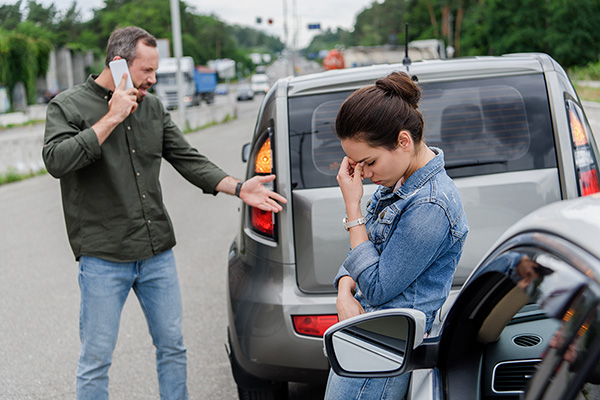
Car crashes are stressful on their own, but hitting—or being hit by—a government vehicle can take things to a whole new level. You might deal with a city truck, a county SUV, a state trooper, or even a federal vehicle. Each brings its own rules. And if you’re in Houston, you already know how chaotic roads like I-45 or the 610 Loop can get during rush hour. When the crash involves a government driver, people often freeze. They think they can’t file a claim. Or they assume the process is the same as a normal car crash. It’s not. The rules shift. Deadlines shrink. And small mistakes can ruin your claim. A Houston car accident lawyer who handles these cases can guide you through it, step by step. Let’s walk through what happens and what you can do.
So What Counts as a “Government Vehicle” Anyway?
Most folks think of police cruisers or fire trucks. True—but the list is much longer. In Texas, a government vehicle can be:
- A city utility truck
- A METRO bus
- A county maintenance vehicle
- A DPS patrol car
- A state-owned sedan used by an employee
- Even certain federal vehicles driving through Houston
The state may legally claim compensation under the Texas Tort Claims Act for accidents caused by state-operated vehicles. Although the statutes surrounding the government’s liability for damages may seem strict, it regulates how and when the state will be responsible for an accident. Here is a potentially confusing aspect of this statute. Even if the driver of the state vehicle caused the accident, the state may not be held liable. The standard for what constitutes “negligent” conduct appears restricted, and perhaps will seem unreasonable, to many. Consequently, many individuals seek the services of an attorney experienced in state vehicle accident claims to help them navigate this legal practice system; thus, they are able to identify the pitfalls they may encounter.
Why These Claims Feel So Different
Here’s the thing: if you crash with a normal driver, you deal with their insurance company. You exchange info, file a claim, and hope the adjuster behaves. With a government crash, the process takes a sharp turn. Texas requires you to give written notice fast. Much faster than people expect. For example:
- Houston requires notice within 90 days.
- Harris County has similar rules.
- State claims follow the Texas Tort Claims Act deadline.
- Federal claims follow the Federal Tort Claims Act.
Miss a deadline, and your claim might vanish—even if the crash wasn’t your fault. You know what makes this tougher? Many injured people don’t even know a deadline exists until it’s too late. The government doesn’t call to remind you.
What You Should Do Right After the Accident
Let me explain something that surprises people: you still need to treat the scene like any other crash. Even if lights are flashing. Even if uniforms make you nervous. Your job is to protect your rights.
Here’s what helps:
- Get medical care. Even a small hit from a large city truck can cause delayed pain.
- Call the police. You want an official report from an outside agency if possible.
- Take photos. Roads, damage, weather, skid marks, badge numbers—grab it all.
- Gather witness info. People forget details fast, so don’t wait.
- Don’t argue. Government drivers sometimes claim immunity on the spot. You don’t have to debate.
- Talk to a lawyer early. This isn’t a sales pitch; it’s about deadlines you can’t undo.
Some people feel awkward recording or taking photos when the other driver is a city employee. Don’t. You’re allowed to document your own crash. And if the vehicle involved is no longer drivable afterward, some drivers eventually need Junk Car Pick-Up in Texas to clear the scene or deal with the damaged car later.
How a Houston Personal Injury Lawyer Helps in These Cases
You might think, “It’s just another claim, right?” Not quite. A lawyer steps in to handle:
- Identifying the right agency
- Filing the mandatory notice
- Tracking tight deadlines
- Making sure the government can’t deny responsibility on a technicality
- Collecting footage from traffic cameras, METRO buses, or city dash cams
- Pushing back if the agency tries to shift blame
It’s not about being aggressive. It’s about being precise. A small mistake can cost thousands. And in serious cases—neck injuries, back trauma, or long-term pain—it can cost even more. Lawyers who work in Houston also know which agencies keep slow records, which departments require extra forms, and which offices take months to respond. A little local insight goes a long way.
What Can You Recover From a Government-Related Crash?
Texas allows limited compensation in these cases. The phrase “limited” can feel frustrating, but it’s still real compensation. You may recover money for:
- Medical bills
- Lost wages
- Pain and physical injury
- Property damage
- Sometimes long-term disability
But here’s a twist: there are damage caps. The government doesn’t pay the same as private insurers. For example, city or county liability often gets capped at levels far below what a jury might award in a normal case. It feels unfair sometimes, especially when the injuries are serious. Still, people find relief knowing there is a path to compensation—and that a lawyer can help push the case forward.
A Quick Note on Police Cars and Emergency Vehicles
This part confuses folks. If a police car hits you while responding to an emergency with lights on, the rules change again. The officer often gets extra legal protection. You must prove a higher level of fault—something like reckless behavior. If the officer wasn’t responding to an emergency, then the standard rules apply. It’s one of those details that seems small but can shape the whole claim.
Why Houston’s Roads Make These Cases So Common
Anyone who drives in Houston knows how wild traffic can get. Drivers weave across lanes. Street repairs pop up out of nowhere. City vehicles rush around during storms, floods, or routine patrols. With so many agencies on the road, crashes with government drivers happen more often than people think. And with so many major roads packed with traffic—the Beltway, I-10, Westheimer, 290—you don’t need a big imagination to see how things go wrong.
When You Should Call a Lawyer
If injuries are minor and damage is tiny, some people try to handle claims alone. But when a government vehicle is involved, even a mild crash can turn complicated.
Call a lawyer right away if:
- You’re hurt
- The damage is serious
- The agency denies fault
- You’re feeling stressed about deadlines
- You’re getting nowhere with the claims office
- You’re unsure which agency is responsible
A short call to an experienced Houston personal injury lawyer can save a lot of stress later.
Frequently Asked Questions
- Can I sue the city of Houston after a crash with a city vehicle?
Yes, you can file a claim, but you must follow the Texas Tort Claims Act rules and meet the 90-day notice requirement. Missing it can block your claim.
- What if the government driver blames me right away?
That happens often. Keep calm, gather evidence, and let a lawyer review the facts. Fault isn’t final until the investigation is done.
- Do I still need a police report if the driver works for the city or state?
Yes. The report helps document the scene and gives you a neutral record of what happened.
- What if the government vehicle was speeding without sirens?
If the driver wasn’t on an emergency call, they can be held liable like any other driver.
- How fast should I call a personal injury lawyer?
As soon as you can. Deadlines move quickly in government cases, and early action protects your rights.