
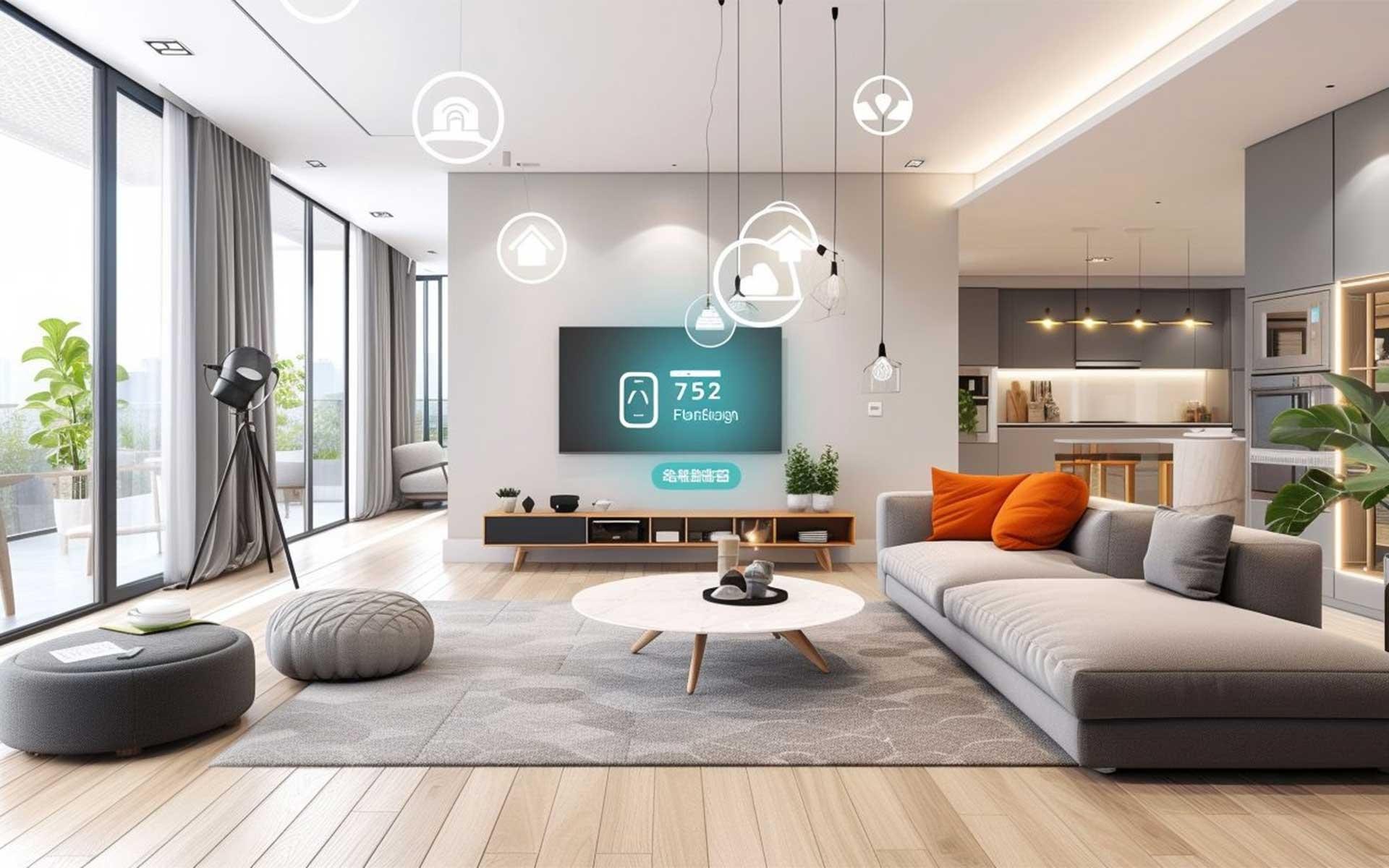
Blink, and your lights respond. Whisper, and your blinds obey. Tap, and your home makes coffee before your feet even hit the floor. Sounds perfect—too perfect? Welcome to the age of smart home overload, where daily comfort comes at the cost of invisible complexity. The very devices that promise peace may be planting the seeds of home automation stress.
Our homes were once sanctuaries from the outside world’s noise. Now they’re digital command centers. According to a 2024 survey by Statista, over 63% of U.S. households own at least one smart home device. Not bad for convenience. But here’s the rub: what happens when each lamp, thermostat, lock, and speaker demands your digital attention? What if every beep, ping, and automation rule adds just a little more mental clutter?
When Convenience Becomes Compulsion
The seduction of automation is real. You tell yourself, “I’ll save time.” But managing ten different apps to control one house doesn’t simplify—it fragments. A smart fridge updates your grocery list, but now you must verify if the API syncs with your delivery app. A home camera notifies you of movement—every fifteen minutes, even if it’s just your cat.
Suddenly, connected living risks emerge: over-monitoring, hyper-vigilance, the anxiety that something somewhere might be malfunctioning. And all this while trying to remember if Alexa turned off the iron or if you just imagined she did.
According to the American Psychological Association, nearly 40% of adults in digitally saturated environments report increased levels of stress due to device interruptions. It’s called digital burnout, and it’s no longer reserved for office workers. It’s creeping into living rooms, kitchens, bedrooms.
Anxiety, Brought to You by Smart Devices
Let’s say your smart doorbell rings. A stranger? A delivery? A raccoon? You check the live feed, the cloud footage, the archived clips. Three minutes pass. Not life-shattering. But repeat that 20 times a week. That’s an hour. And it’s not just time—it’s headspace.
Smart devices and anxiety go hand in hand, especially when malfunctions occur. A single voice assistant glitch can set off a chain reaction: misfiring routines, unresponsive locks, lights that flicker for no reason. The huge number of hacker attacks is also a big problem. But there is one life hack – use VeePN for PC when connecting to the Internet. It will protect your data and devices from many types of cyber threats.
Over-Automation and the Mind’s Quiet Despair
There’s a fine line between helpful tech and over-automation at home. Picture this: a house where even flushing the toilet requires an app. Too much automation can paralyze rather than empower. You become the operator of a system too complex to unplug. Want to take a vacation? Don’t forget to reprogram all your routines, update your alarm configurations, and double-check the robot vacuum’s schedule.
Paradoxically, the more intelligent your home becomes, the less spontaneous your life may feel. Routine replaces intuition. Smart rules dictate what’s “efficient.” But who decides what’s essential?
Automation demands oversight. Oversight demands mental bandwidth. And as that bandwidth shrinks, the price becomes more than technical—it’s psychological.
The Paradox of Digital Refuge
We build smart homes to feel in control, but often the result is the opposite. With every new device, the illusion of simplicity deepens. You can track your sleep cycles, but not why you’re still tired. You can adjust lighting based on mood, yet feel more emotionally flat than ever.
And so, the irony sharpens: In trying to remove friction from our lives, we’ve automated ourselves into a tangle of systems that never sleep. Systems that watch. That’s not enough. That was anticipated.
But never quite soothing.
Reclaiming the Space Between
So what now? Throw the gadgets out? Not necessarily. But maybe it’s time to rethink automation. Start by asking: What do I truly need my home to do? What parts of domestic life deserve to remain imperfect, analog, alive?
A tech minimalist movement is emerging, favoring fewer devices with clearer purposes. Some homeowners are ditching redundant automation in favor of manual joy—like opening windows by hand or brewing coffee without scheduling it via app. It’s not regression. It’s restoration.
Mental health professionals now advise setting “tech-free” zones, even within smart homes. Bedrooms without screens. Bathrooms without voice control. One room, at least, where you don’t need Wi-Fi to relax.
Final Glitch: Your Mind Is Not a Motherboard
Smart homes are tools. Not temples. And the moment we stop treating them like sacred altars of efficiency, we may find peace again in the analog lull between pings. Tech and mental health don’t have to be enemies. But we must decide: do we control the machine, or does it shape the way we live, feel, think?
In trying to make our homes smarter, we mustn’t forget to keep our minds human.