
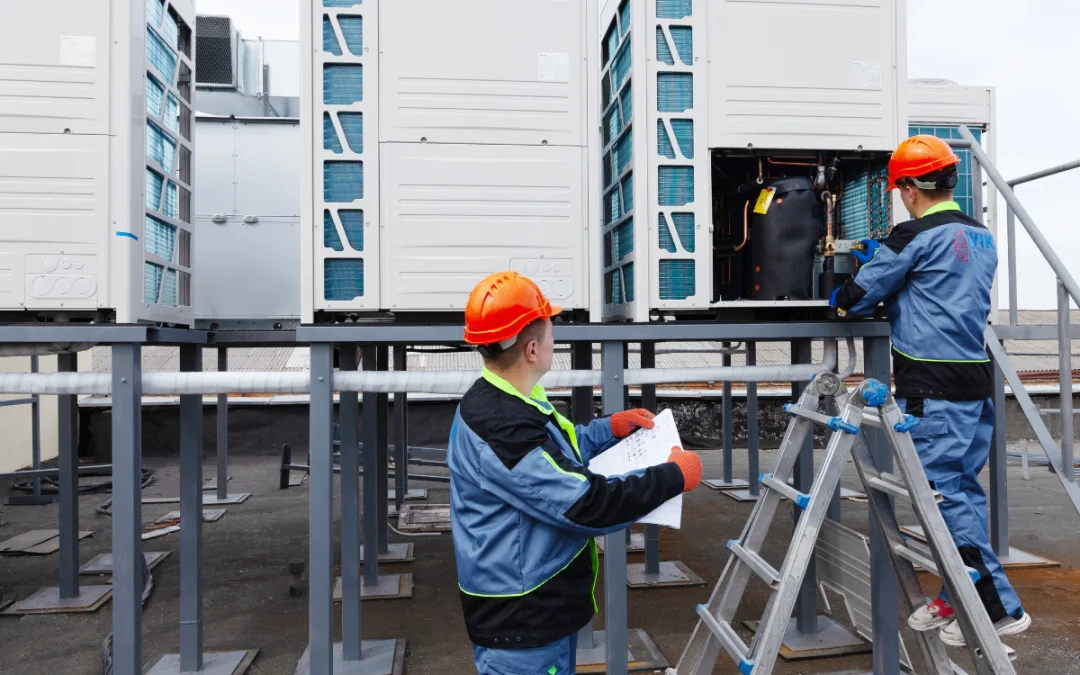
Good airflow isn’t just a comfort feature—it’s a core part of a healthy, efficient, and productive commercial space. Whether you manage an office building, retail store, warehouse, or healthcare facility, proper ventilation impacts everything from indoor air quality to energy costs. When airflow is restricted or poorly managed, employees may experience fatigue or discomfort, HVAC systems work harder than necessary, and overall building efficiency drops. The good news? You can significantly boost airflow with the right strategies. Here are practical, effective ways to help your commercial building breathe easy.
1. Start With Regular HVAC Maintenance
A building’s HVAC system is the heart of indoor airflow, so any effort to improve circulation should begin here. Routine maintenance not only protects your equipment but also ensures that air moves smoothly throughout the space. Schedule seasonal inspections to check for clogged filters, blocked coils, or malfunctioning fans. Clean or replace air filters every one to three months, depending on building use and occupancy levels. Simple steps like these can dramatically enhance airflow while lowering energy consumption.
2. Keep Vents and Registers Clear
It may sound obvious, but vents often become blocked by furniture, storage boxes, or equipment. When supply or return vents are obstructed, air pressure becomes unbalanced and circulation suffers. Conduct periodic walkthroughs to ensure all vents remain open and unobstructed. In office settings, gently remind staff not to place filing cabinets or tall plants in front of vents. Small adjustments can create significant improvements in overall air movement.
3. Upgrade to High-Efficiency Air Filters
Air filters play a crucial role in both airflow and air quality. Low-grade filters may get clogged faster or fail to trap important pollutants, while heavy-duty filters—if incompatible with the system—can restrict airflow. The best approach is to use high-efficiency filters recommended by your HVAC technician. These filters strike the right balance between capturing contaminants and maintaining proper airflow through the system.
4. Install Additional Fans to Support Air Circulation
Fans are one of the simplest and most cost-effective tools for improving airflow in commercial spaces. Large industrial fans, ceiling fans, and even smaller oscillating fans can help move stagnant air and prevent hot or cold spots. In warehouses or manufacturing facilities, high-volume, low-speed (HVLS) fans are especially effective. They move large amounts of air gently, improving comfort without disrupting work processes.
5. Invest in Proper Ductwork Design and Upgrades
Your ductwork is like the highway system for air moving through the building. When the duct design is outdated, damaged, or too small, airflow suffers. Leaks, loose connections, and debris buildup are common issues that restrict circulation. Consider having your ductwork inspected to identify weak points or inefficiencies. During upgrades, components such as air duct turning vanes can help guide airflow around corners more smoothly, reducing resistance and improving the system’s overall performance.
6. Consider a Zoning System
If your building experiences uneven heating or cooling—such as overly warm conference rooms or chilly lobbies—a zoning system might be the solution. Zoning divides your building into separate temperature-controlled areas, each with its own thermostat. Not only does this improve comfort across varied spaces, but it also enhances airflow by directing conditioned air where it’s most needed. This approach reduces strain on your HVAC system and allows it to operate more efficiently.
Incorporating advanced HVAC systems can significantly enhance the air quality and circulation within your commercial space. These systems are designed to efficiently manage airflow, ensuring a consistent and comfortable environment for both employees and clients. Regular maintenance and timely upgrades are crucial to keep these systems running optimally. For businesses looking to invest in long-term solutions, consulting with experts can provide tailored strategies that align with specific building needs. Click here to explore innovative options that can transform your workspace into a healthier and more productive setting. By prioritizing air quality, you not only improve comfort but also contribute to the overall well-being of everyone who steps through your doors.
7. Use Smart Controls for System Optimization
Smart thermostats and building automation systems give you greater control over airflow and temperature. These tools monitor occupancy levels, humidity, and air quality in real time, adjusting HVAC functions accordingly. Automated systems ensure that air circulates consistently during peak hours while scaling back during low-occupancy periods. This reduces energy waste and helps maintain balanced airflow throughout the building.
8. Keep Windows and Doors Sealed Properly
Air leaks around windows, doors, or structural gaps can undo the benefits of a well-functioning HVAC system. When outside air infiltrates the building, the system must work harder to maintain a consistent indoor environment. Regularly inspect seals, weatherstripping, and insulation around openings. Proper sealing prevents drafts, reduces energy loss, and keeps airflow controlled and steady.
9. Arrange Workspaces to Promote Air Movement
The layout of your building can influence airflow more than you might think. Open floor plans generally encourage better circulation, while tightly packed cubicles or storage areas can trap stagnant air. If possible, reposition furniture and equipment to create natural air pathways. Avoid clutter near return vents, and consider using low-profile partitions to maintain privacy without compromising ventilation.
Maintaining optimal indoor air quality involves more than just cleaning vents; it requires a comprehensive understanding of how individual components work together. In regions where seasonal shifts significantly impact building performance, professional oversight becomes a necessity for long-term efficiency. Property managers often overlook the correlation between unit longevity and consistent airflow, yet addressing issues early, such as scheduling a furnace repair spring hill, can prevent costly system failures during peak demand. By prioritizing these subtle mechanical adjustments, businesses ensure a stable environment that supports both occupant health and operational productivity. This proactive approach to infrastructure management ultimately extends the life of the entire ventilation network while reducing overhead costs.
Breathe Easier With Better Building Airflow
Improving airflow in your commercial building isn’t just about comfort—it’s an investment in health, efficiency, and long-term performance. From maintaining HVAC systems to optimizing ductwork and using smart controls, every step you take toward better ventilation makes a meaningful difference. A building that “breathes” well creates a healthier, more productive environment for everyone inside. If you’d like, I can help you create social media captions or a shorter version of this post next!