
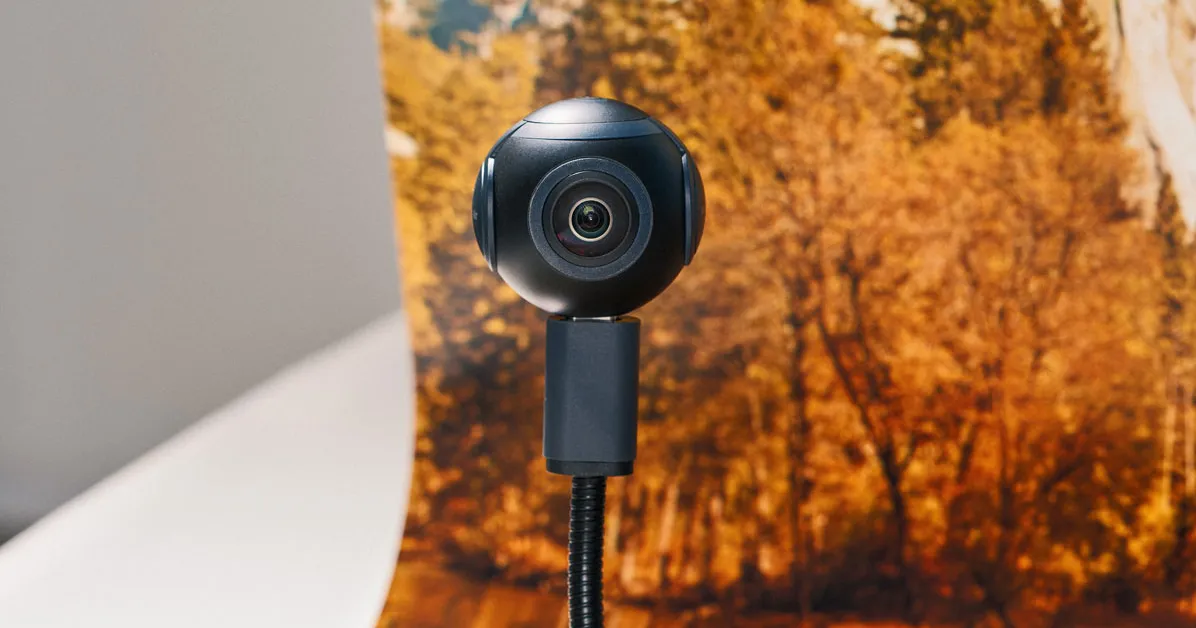
Many travelers want to share the feeling of stepping into a new city, walking through a market, or entering a historic neighborhood. A 360度カメラ makes this possible by capturing every direction at once. After the first mention, this article will refer to the device as a 360 camera.
Walkthrough videos have become popular because they show more than a single viewpoint. Viewers can explore the environment freely, looking at architecture, people, and surroundings without relying on a fixed frame. This style suits cultural destinations especially well, where the atmosphere is shaped by sound, movement, and small details that might otherwise be missed. Travelers often find that creating these videos helps them remember the rhythm of a place rather than just specific sights.
Planning a Cultural Walkthrough Before You Start Recording
A successful walkthrough begins with a simple plan. Travelers usually start by deciding the route. This may include a street known for traditional shops, a riverside path, a temple entrance, or a lively festival area. The goal is not to rush but to choose a path that reveals the culture naturally.
Observing how locals move helps determine the best time to record. Some streets feel most authentic early in the morning, when shop owners prepare for the day. Others come to life in the evening when lights turn on and music drifts from small cafés. A 360 camera captures these shifts in atmosphere without requiring special setups, so choosing the right moment enhances the final result.
It is also helpful to check the surroundings briefly before recording. This includes noticing narrow corners, low light areas, or crowded sections. Being aware of these details allows travelers to adjust their pace and keep the footage smooth.
Setting Up Your 360 Camera for Walkthrough Filming
A comfortable grip or a lightweight handle helps maintain steady movement during long walks. Most travelers hold the 360 camera slightly above eye level, creating a natural view that resembles walking side by side with the audience. This position also keeps the horizon balanced and prevents awkward angles.
Travelers who want to include more of the environment sometimes raise the camera a little higher. This angle highlights the scale of buildings, lanterns, or festival decorations. When exploring indoor cultural sites such as temples or museums, lowering the camera slightly may create a calmer, more intimate view.
Using a timer or remote capture can help avoid sudden hand movements. The device begins recording smoothly, and the traveler can focus on enjoying the walk.
Capturing Cultural Atmosphere Through Movement
Movement is what makes walkthrough videos feel real. A slow, steady pace allows viewers to absorb the surroundings. Quick steps or sudden turns can disrupt the experience, while a relaxed stride keeps everything easy to follow.
When walking through narrow alleys, pausing briefly in front of interesting details—like handmade crafts, stone carvings, or street food stalls—gives the audience time to explore with their eyes. A 360 camera records these small moments while the traveler simply continues moving.
Open spaces such as squares or courtyards benefit from wider gestures. Turning slowly helps viewers look around without feeling rushed. In cultural festivals, slow movement through crowds conveys the energy of the event while maintaining clarity.
Using Natural Sound to Enhance Cultural Immersion
One of the strengths of a 360 camera is its ability to capture ambient sound. Cultural walkthroughs become more engaging when viewers hear the sounds of daily life. Street vendors calling out, traditional instruments playing softly in the background, conversations drifting from cafés, and footsteps on stone paths all contribute to the atmosphere.
Travelers often choose to avoid speaking too much during these videos. Allowing natural sound to guide the experience makes the walk feel genuine. When an explanation is needed, a short, quiet comment is enough. The goal is to keep the soundscape intact so the audience can feel connected to the culture.
Using Cultural Landmarks to Build a Storyline
A walkthrough becomes more meaningful when it follows subtle storytelling. Travelers can begin at a recognizable landmark, such as a gate, bridge, or market entrance. This provides context for the audience. As the walk continues, smaller cultural points appear naturally: local crafts, street shrines, traditional houses, or food stalls.
Ending the walk at a viewpoint, riverbank, or temple courtyard gives the video a sense of conclusion. Viewers experience a beginning, middle, and end, just like a real journey. A 360 camera makes these transitions smooth because it records everything without requiring multiple camera angles or retakes.
This approach allows travelers to tell a cultural story without heavy narration. The environment speaks for itself.
Filming People and Daily Life Respectfully
Cultural walkthroughs often include locals going about their everyday routines. Respectful recording helps maintain authenticity without intruding. Keeping the camera slightly higher avoids focusing too closely on individuals while still showing their presence.
Travelers can slow down near cultural performances or demonstrations but avoid interfering with the activity. A 360 camera naturally captures the full scene, so there is no need to step too close.
When visiting sacred or quiet places, lowering the pace and maintaining silence keeps the recording respectful. This makes the walkthrough more meaningful and matches the environment.
Improving Footage Through Simple Editing and Reframing
Editing a cultural walkthrough does not require advanced techniques. Reframing allows travelers to guide viewers toward interesting details after recording. For example, tilting the frame toward street art, architectural features, or a traditional dance can highlight the scene without altering the natural flow.
Simple trimming helps remove accidental pauses or moments when the traveler adjusts the grip. However, keeping the walk mostly intact preserves its authenticity. The aim is to show the environment as it truly feels, rather than creating a highly polished, artificial sequence.
Moderate adjustments to exposure or color can also help. Warm tones often suit cultural markets or lantern-lit streets, while cooler tones may fit early morning walks. Subtle corrections maintain realism while enhancing clarity.
Using a 360 Camera for Indoor Cultural Spaces
Indoor cultural environments such as temples, historic homes, and craft workshops often require gentle camera control. Lighting may be softer, and movement may need to slow down. A 360 camera captures the mood effectively when the traveler moves as naturally as possible.
Pausing briefly near art pieces, carvings, or traditional tools gives the audience time to appreciate details. Walking along central paths rather than corners ensures the view remains open and comprehensive.
Sometimes the ambience indoors carries unique sound—echoes in a hall, whispers, or the clink of tools. These moments add subtle depth to the walkthrough.
Sharing Cultural Walkthroughs with a Broader Audience
Walkthrough videos appeal to people who want to explore the world through someone else’s eyes. Travelers can share their recordings on various platforms, allowing others to immerse themselves in the culture. Friends and family enjoy seeing what the traveler experienced, and viewers from different backgrounds appreciate the opportunity to explore unfamiliar places.
Some travelers create playlists organized by cities or themes—markets, temples, festivals, historic streets—so viewers can explore at their own pace. The flexibility of a 360 camera allows creators to produce multiple videos from a single day of walking.
Creating Walkthrough Videos That Feel Honest and Real
The most memorable cultural walkthroughs are those that reflect genuine experiences. A 360 camera helps travelers capture a place without needing dramatic edits or rehearsed scenes. The natural movement, ambient sound, and small details combine to create an honest portrait of the culture.
Travelers often discover that these videos become some of their most valued memories. Months or years later, they can revisit the exact atmosphere of a destination—the sounds, the streets, the lights, and the people. This sense of immersion is what makes 360 camera walkthroughs unique and meaningful.