
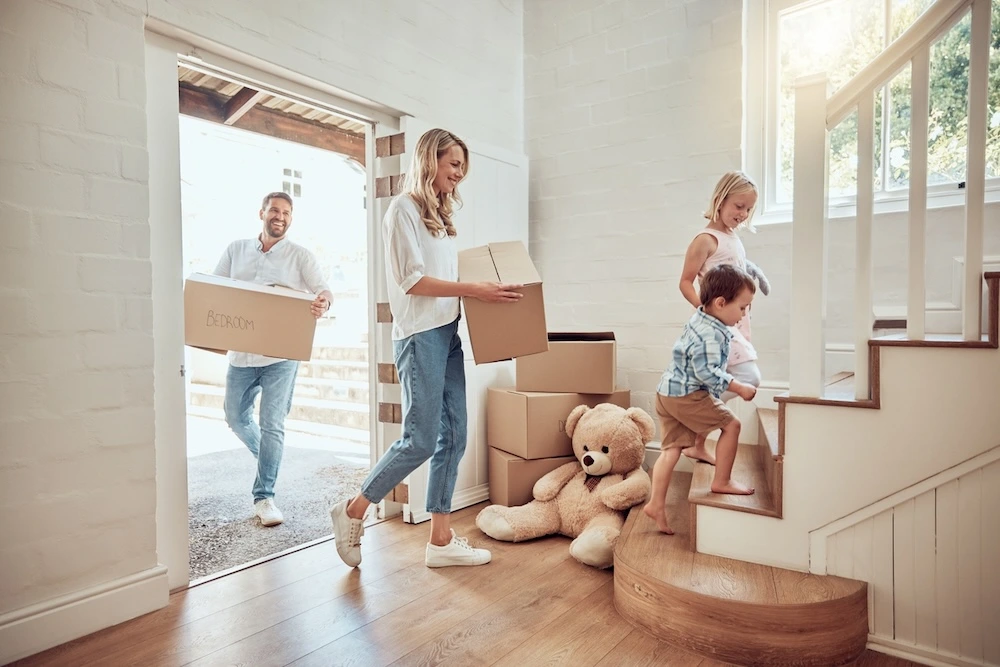
People who move from one place to another experience more than a simple change of residence. Most families use home relocation to enter new life stages, which demonstrate their development, changing values, and evolving understanding of what constitutes a home. A house gets its structure from building materials, yet a home develops through human connections and personal experiences that create a sense of belonging to a place.
The article explores why families relocate, how emotions influence their choices, and which strategies help them achieve a successful relocation.
When a House Becomes More Than Walls
Every family begins its journey from the very start. A couple purchases their first home, which they love from top to bottom. The house becomes a space where toys, noise, and unforgettable memories accumulate beyond what can be boxed.
The walls of the house start to feel tighter until the family needs to relocate. The house now contains multiple rooms that serve as work areas and storage spaces, and the outdoor area seems insufficient to accommodate all the family’s energy. The family needs additional space because their current home no longer fits their evolving family dynamics.
The process of moving becomes emotional because homes contain all the stories from the past. The development process requires families to exceed their current capacity, which is a positive transformation. The advancement of life produces this indication.
The Emotional Side of Family Growth
Family growth rewrites the script. The household’s pulse shifts, nap‑time choreography gives way to school runs, then to independence, and to caring for aging parents. Every phase asks the home to provide something. The emotional tie runs deep. Walking away from a house that has seen many firsts, birthday celebrations, tentative steps, and family holidays feels as though a piece of yourself is being left behind. The truth is, those memories don’t vanish when you move; they come along with you.
The extra square footage isn’t a perk of comfort or a shortcut to convenience. It acts as a badge of progress, echoing the sweat, affection, and steadfastness that went into it, a payoff for the countless years spent piecing together a family’s story.
Signs It’s Time to Move
The signs become apparent at times. The number of residents exceeds the available bedrooms, and all attempts at organization fail to reduce the clutter. The space no longer matches your life pattern, even though you used to find it suitable.
The following indicators show that you need to move:
- Your home lacks sufficient space for performing daily activities.
- The space has become so cramped and disorganized that you now avoid certain areas.
- Your family’s requirements have changed because you need a dedicated workspace and play area, as well as better access to educational facilities.
The emotional connection to your home changes when “cozy” becomes “crowded,” and your living space loses its ability to motivate you. Your family’s evolution requires an honest assessment of whether your home needs to adapt to your new needs.
The Heart Behind the Move: Turning a House into a Home
A new house becomes a home when your family adds their personal touch to its modern and spacious design. The house transforms into a home after all the moving boxes find their permanent places.
The furniture arrangement creates spaces where people can talk to each other. The new kitchen develops its familiar aroma when you cook a traditional family recipe, while kids will eventually measure their growth against the kitchen wall.
The character of homes develops through regular family practices and established traditions, including daily coffee time, family meals, and children’s laughter that fills previously vacant spaces. Your family finds stability through small items from your previous residence, which include the armchair, photo frame, and welcome mat, because these objects link your past to your present.
A Smart Moving Strategy for Growing Families
Emotions aside, a move requires a practical strategy. Planning prevents chaos and reduces stress, especially when kids are involved. Here’s a structured approach:
1. Plan with Purpose
Start with clarity. Identify what your family truly needs — number of bedrooms, community vibe, school access, or space to work from home. Avoid the trap of moving for aesthetics alone; functionality always wins in the long run.
2. Declutter with Emotion in Mind
Not everything needs to come with you. Go room by room and separate what’s meaningful from what’s merely habitual. Letting go of items tied to certain memories isn’t loss — it’s making room for new ones.
3. Organize Logistically
Create a timeline that works around your family’s schedule, label boxes by room and priority. It’s wise to hire long-distance movers familiar with family relocations; they’ll understand that time, not just cost, is a critical factor, especially when moving across states or cities, where coordination and timing can make or break the process.
4. Settle In Gradually
Don’t try to make the new home perfect overnight. Focus on spaces that create stability — bedrooms, bathrooms, the kitchen. These are the anchors of daily comfort, especially for children adjusting to change.
5. Make It Yours
Host your first family meal within the first week. Light candles, order takeout, sit on unpacked boxes if you must, the point is to mark the beginning of your new story. Creating that emotional “first” turns a house into a living home faster than any décor choice.
Finding Meaning in the Move
Every relocation tells a story of personal development because families choose advancement over stability while embracing transformation as their life path. The heart of a home exists beyond physical buildings, emerging from the people who bring laughter, effort, and love into the space. The meaning of home expands as your family grows.
Your understanding of home expands with each new family member while your family moves to different locations. The significance of home continues to grow with each relocation you make.