
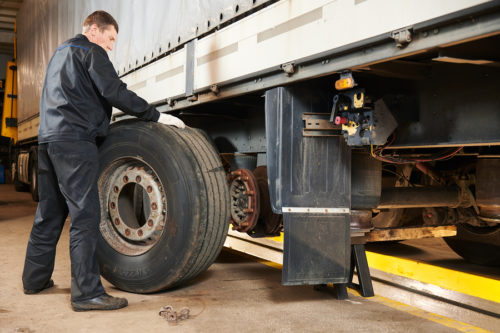
Every mile a commercial truck travels represents a delicate balance between precision engineering and human diligence. These massive machines operate under extreme pressure, hauling tons of cargo across thousands of miles. Yet, when a company or driver cuts corners on maintenance, that balance collapses—often with deadly consequences. Mechanical neglect isn’t just a hidden problem in the trucking industry; it’s a silent killer that can transform a routine haul into a highway catastrophe.
Proper vehicle maintenance is more than a best practice—it’s a legal duty. Federal safety regulations exist to ensure that trucks on the road are inspected, repaired, and safe for operation. When companies ignore these rules, lives are endangered. Victims of these preventable crashes should consult with a trucking attorney to determine whether faulty maintenance or defective parts contributed to their injuries and to hold the responsible parties fully accountable.
The Invisible Threat Beneath the Surface
Unlike reckless driving, mechanical neglect doesn’t announce itself until disaster strikes. Trucks may appear roadworthy while hiding critical flaws deep within their systems—cracked brake lines, worn tires, or loose couplings. These problems often develop slowly, the result of skipped inspections or postponed repairs. When they finally fail, the outcome is sudden and violent.
Because commercial trucks endure extreme mileage and weight, their mechanical integrity must be closely monitored. Unfortunately, many fleet operators prioritize deadlines and profits over safety, leaving drivers on the road in vehicles that are one defect away from catastrophe. The danger is silent—but always waiting.
Typical Mechanical Malfunctions Leading to Truck Accidents
Mechanical failure can arise from many overlooked areas. Even small issues can have devastating effects when combined with a truck’s size and speed. The following are among the most frequent and deadly causes of failure:
- Brake Malfunctions: Worn pads, leaking air hoses, or overheating can make it impossible to stop in time.
- Tire Blowouts: Caused by underinflation, overloading, or simply neglecting replacement schedules.
- Steering Failures: Damaged or misaligned linkages can cause trucks to swerve uncontrollably.
- Transmission Breakdowns: Gear or clutch issues can cause jackknifing or loss of control.
- Lighting and Electrical Defects: Faulty headlights or signals make trucks nearly invisible at night.
- Suspension Problems: Broken springs or axles affect stability, increasing rollover risk.
Each of these failures shares a common root: neglect. These aren’t unpredictable malfunctions—they are warning signs ignored until tragedy strikes.
Legal Standards for Truck Maintenance and Inspection
The Federal Motor Carrier Safety Administration (FMCSA) requires every trucking company to perform routine inspections, record maintenance activities, and address issues immediately. Drivers must also complete pre-trip and post-trip reports documenting any safety concerns. Ignoring these obligations is not just negligent—it’s illegal.
When a company falsifies maintenance records or pressures drivers to skip inspections, it’s a violation of federal law and a clear breach of duty. In a personal injury claim, these violations can serve as powerful evidence of negligence, strengthening the case for victims seeking justice.
How Attorneys Prove Mechanical Neglect After a Crash
Uncovering the truth about a trucking accident takes more than reviewing a police report. Attorneys who handle truck injury cases dig deeper, using both technical and legal expertise to expose hidden failures. They often enlist mechanical engineers and accident reconstruction specialists to determine whether a defect caused or contributed to the collision.
Evidence such as maintenance logs, inspection reports, driver statements, and black box data helps establish a pattern of neglect. If the trucking company ignored repeated warnings or failed to replace worn parts, those omissions can be the key to proving liability and securing compensation.
The Chain of Responsibility in Maintenance Failures
Trucking accidents caused by mechanical neglect rarely point to one person. Responsibility often stretches across a network of parties—from the driver performing daily checks to the company overseeing fleet upkeep and the manufacturer supplying critical components.
In many cases, multiple defendants may be held liable. A maintenance contractor may have skipped vital repairs; a manufacturer may have sold defective brake components; or a fleet operator may have prioritized profit over safety. A thorough investigation ensures that every accountable party faces the legal consequences of their negligence.
Why Mechanical Neglect Persists in the Industry
The root cause of ongoing maintenance neglect often comes down to time and money. Regular maintenance takes trucks off the road, cutting into delivery schedules and profit margins. Some companies gamble that skipping inspections will save costs—until an accident exposes their recklessness.
Driver shortages also contribute to the problem. Overworked truckers may be pressured to meet delivery deadlines even when their vehicles aren’t fully safe. When safety protocols are treated as suggestions rather than requirements, every mile becomes a potential tragedy waiting to unfold.
In addition to regular maintenance, staying compliant with industry regulations is crucial for preventing accidents. One important aspect is ensuring that all vehicles are properly registered and meet the necessary safety standards. The UCR in trucking registration plays a vital role in this process, as it helps maintain a standardized system for tracking and managing commercial vehicles. By keeping up with these requirements, trucking companies can significantly reduce the risk of mechanical failures and enhance overall road safety. This proactive approach not only protects drivers and cargo but also contributes to a safer environment for all road users.
Preventing the Next Avoidable Disaster
Ending mechanical neglect starts with accountability. Trucking companies must foster a culture of safety where inspections and repairs are non-negotiable. Advanced telematics systems and electronic maintenance logs can help track vehicle health and flag issues in real time, ensuring that warning signs aren’t ignored.
For victims, the path to change begins with justice. Filing a legal claim not only recovers compensation for injuries and losses but also forces companies to confront the deadly consequences of their negligence. Each case pursued helps make America’s highways safer, reminding the industry that every neglected part and every skipped inspection has a human cost.
Toward Accountability and Safer Roads
Mechanical neglect may be a silent threat, but its impact reverberates loudly through families and communities. Each fatal crash caused by poor maintenance exposes the urgent need for stricter oversight, tougher penalties, and greater awareness among trucking companies and drivers alike. Preventive care isn’t just a business decision—it’s a moral obligation that saves lives.
Holding negligent operators accountable, the legal system plays a vital role in enforcing safer standards. Victims who pursue justice help ensure that companies prioritize maintenance over profit, and that every truck on the road meets the highest safety expectations. The fight against mechanical neglect isn’t just about compensation—it’s about changing the industry for the better.