
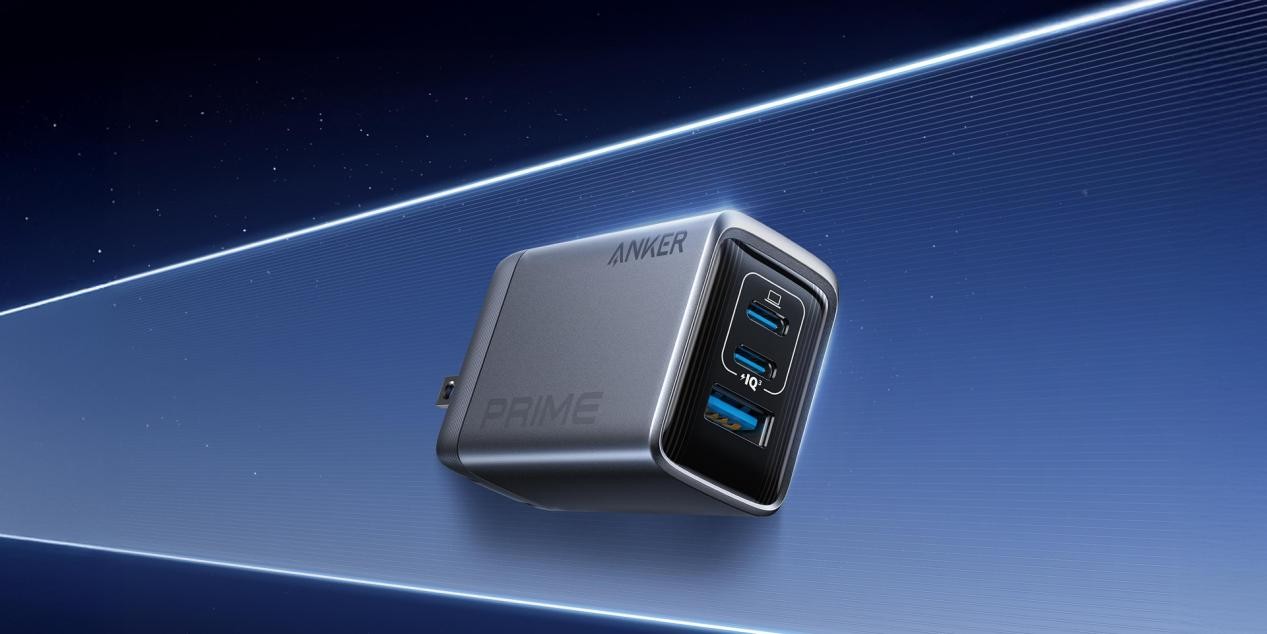
Safety should be the first consideration when choosing a charger for daily usage. With a secure charger, you can power your electronics without worrying about damage or injury. Understanding the characteristics that make a charger safe is essential, given the growing range of chargers available on the market. Overcharging, overheating, and short-circuiting may be avoided by using a charger with the necessary safety features. Users may pick a dependable charger with confidence to safeguard their devices and personal safety by being aware of important safety features, certifications, and brands.
Key Features of a Safe Charger
Overcurrent Protection
Overcurrent prevention is an important function that protects a charger from delivering too much current, which can cause device overheating or even damage. When the current surpasses acceptable levels, this protective system will immediately stop the charging process. This guarantees that the gadget only receives the necessary quantity of power, lowering the danger of electrical damage or fire. Overcurrent protection is often achieved by fuses or circuit breakers inside the charger, which are meant to turn off power when an excessive current is detected. Users may secure their devices and lessen the probability of unexpected failures by using chargers that include overcurrent protection.
Overvoltage Protection
Overvoltage protection is another important feature that guarantees your gadget receives the correct voltage to avoid electrical surges. When a charger offers more voltage than is necessary, the internal components of your device may malfunction or be permanently harmed. Safe chargers have overvoltage protection circuits that monitor and adjust the voltage output to the proper levels. This capability is especially critical for delicate devices like cellphones and laptops, which are susceptible to voltage surges. Overvoltage protection reduces the risk of power surges, allowing your equipment to last longer and work more efficiently.
Short-Circuit Protection
Short-circuit prevention is intended to avoid potential risks resulting from a direct connection between the charger’s positive and negative terminals. If a short circuit is discovered, this protection shuts down the power flow, preventing overheating, fires, and even explosions. Chargers without this protection run the risk of allowing a hazardous quantity of electricity to flow freely, causing significant harm to both the charger and device. The charger’s short-circuit protection ensures that if there is a problem, it will instantly cease delivering power, protecting your devices and assuring safe, uninterrupted charging. This function is essential for ensuring safety throughout everyday use.

How to Identify a Reliable Charger?
Certifications and Standards to Look for
When searching for a charger, look for certificates that show the product satisfies safety and performance requirements. Look for labels like UL or CE, which indicate that the charger has completed thorough safety testing. These certificates confirm that the charger meets electrical safety standards, lowering the chance of problems. Furthermore, certificates from reputable organizations demonstrate that the charger has been evaluated for durability and efficiency, verifying its suitability for long-term usage. Always prioritize chargers with these certifications to protect your devices’ safety and reduce the chance of hazardous electrical failures.
Choosing Chargers from Reputable Brands
Choosing chargers from reputable companies can considerably lessen the likelihood of encountering dangerous items. Well-known businesses engage in R&D and quality management to guarantee that their goods exceed industry safety requirements. These brands often include chargers with the required safety features, such as overcurrent, overvoltage, and short-circuit protection. They also offer warranties and customer assistance, ensuring that any concerns are resolved quickly. By selecting a charger from a reputable brand, you may avoid the hazards of less expensive, unbranded alternatives, which may lack critical safety measures and pose a risk to your device’s health.
Avoiding Third-Party and Knockoff Chargers
Using third-party or imitation chargers might put your device at risk. These chargers are frequently produced with lower-quality materials and may not have undergone the same rigorous testing as respected goods. As a result, they may lack crucial safety features such as overcurrent or short-circuit protection, making your device susceptible to overheating or electrical damage. Furthermore, counterfeit chargers are more likely to fail, possibly harming both the charger and your smartphone. Always avoid third-party chargers that do not satisfy established safety requirements or are obtained from unknown sources. Investing in a certified charger guarantees that your device charges securely and effectively.
Tips for Maintaining Charger Safety
Avoiding Physical Damage
Physical damage might jeopardize the integrity and safety of your charger; therefore, it’s critical to keep it safe for regular usage. Make sure that there are no bends, frays, or exposed wires on the charging cable or plug. The charger may sustain internal damage if you pull on the cord to unhook it. In the same vein, keep chargers out of places where they might be squeezed, crushed, or walked on. Overheating, short circuits, and even fires can result from physical damage to the charger. To ensure a secure charging environment, check the charger often for wear and tear and replace it as needed.
Proper Storage and Handling
Proper storage and handling are critical for the safety of your charger. Chargers should always be stored in dry, cool places away from heat sources and areas with excessive moisture, as these can cause electrical shorts and corrosion. When not in use, coil the cable loosely to prevent kinks and breakage. Avoid exposing chargers to excessive temperatures, since this can harm internal components and shorten the charger’s lifespan. Furthermore, avoid keeping chargers plugged in while they are not being used, since this can lead to wear and abuse. Safe storage techniques help extend the charger’s life and guarantee reliable, safe performance.
Regularly Checking for Wear and Tear
Regularly inspecting your charger for indications of wear and tear is critical for its safety. Inspect the cable for frays, fractures, and exposed wires, particularly at connecting points, which are the most vulnerable to damage. Also, inspect the socket and charging port for evidence of corrosion, debris, or damage that might obstruct the flow of energy. If you discover any problems, replace the charger right away, since defective chargers pose serious threats to both your device and your safety. Regular checkups guarantee that any possible faults are identified early on, preventing harmful charging circumstances and extending the life of your charger.
Conclusion
Choosing and maintaining a safe charger, such as an Android charger, is critical for extending the life of your devices and avoiding any safety risks. Overcurrent, overvoltage, and short-circuit protection are critical characteristics that ensure chargers are safe for everyday usage. Furthermore, seeking certifications, purchasing from known manufacturers, and avoiding third-party chargers are all important measures toward guaranteeing reliability. Proper care and maintenance, such as avoiding physical damage and regularly checking for wear, can further extend the lifespan of your android charger while keeping your devices safe. By following these guidelines, you can enjoy a hassle-free and secure charging experience every day.