
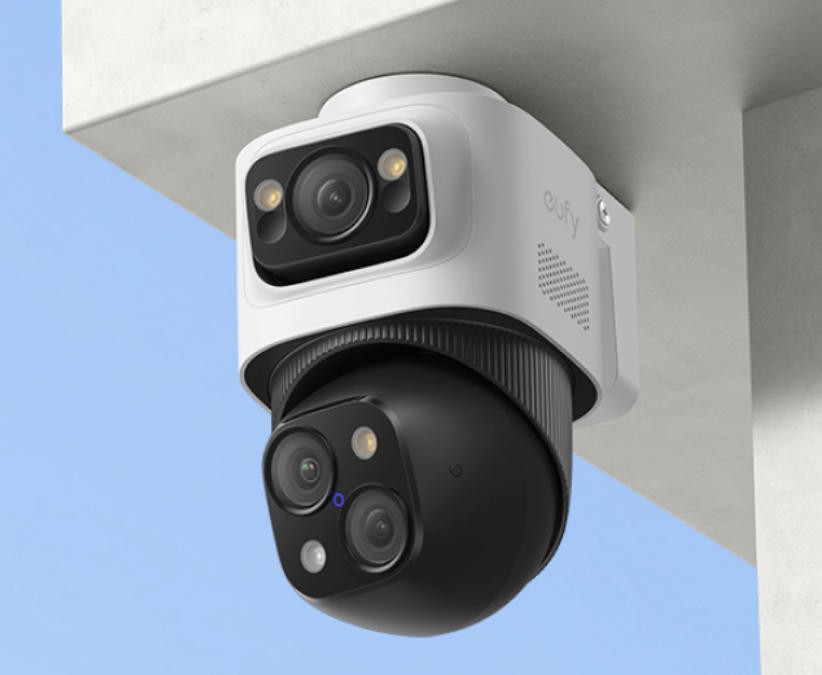
Buying a security camera should enhance your home protection, but common mistakes can compromise effectiveness. By understanding these pitfalls, you make informed decisions that ensure safety and financial efficiency. Security cameras vary widely in features and performance. Knowing what to avoid is essential for selecting the right equipment. Here, we explore the most frequent mistakes made by consumers and offer practical solutions. Enhance home safety by making wise security camera choices.
Mistake 1: Choosing the Wrong Camera Type or Hardware
Using Indoor Cameras Outdoors or in the Wrong Environment
Indoor cameras aren’t designed to withstand harsh weather. Using them outdoors leads to shortened lifespans due to exposure. Environmental factors such as rain, temperature fluctuations, and dust can compromise functionality. Select cameras specifically built for outdoor use. These are weather-resistant and reliable, maintaining performance in varying conditions. Always match the camera type to its intended environment to ensure long-term durability and effectiveness.
Ignoring Wired vs Wireless Options and Network Reliability
Wireless cameras offer flexibility, but they rely heavily on robust network connections. In weak coverage areas, video quality suffers, and there is a risk of losing recordings. Wired cameras remain a stable choice for uninterrupted video feeds. Consider network reliability before making your selection. Evaluate your home’s infrastructure and choose an option that ensures a consistent connection and optimal performance.
Underestimating Resolution, Night Vision, or Durability Needs
High-resolution cameras capture clear images, crucial for identifying intruders. Night vision extends security around-the-clock. Lack of these features compromises effective monitoring. Opt for cameras with at least 1080p resolution and reliable night vision capabilities for comprehensive coverage. Additionally, durability matters; invest in robust designs that withstand potential tampering or vandalism, ensuring continued security.
Mistake 2: Neglecting Network, Storage, and Integration Needs
Relying Only on Wi-Fi When Coverage Is Weak
Weak Wi-Fi affects camera performance, causing lag or disconnection. Relying solely on Wi-Fi can leave gaps in security coverage. Assess signal strength in camera locations. If coverage is insufficient, consider wired alternatives or invest in Wi-Fi extenders to ensure consistent connectivity. Ensuring strong network support optimizes camera performance and reliability throughout your property.
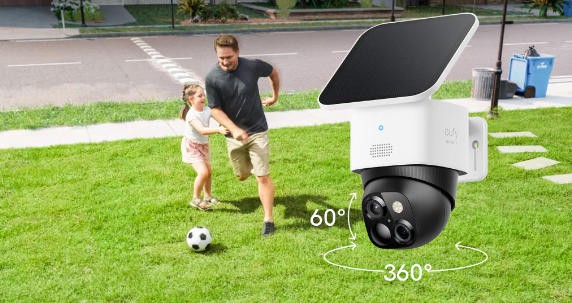
Overlooking Local Storage or Cloud Subscription Trade-Offs
Each storage solution has benefits and drawbacks. Cloud storage offers remote access but requires ongoing subscriptions. Local storage provides one-time investment but risks data loss in theft or damage. Balance cost and convenience when choosing a storage method. Consider your security needs, budget, and willingness to manage data to make the most suitable decision.
Mixing Brands or Ignoring Smart Home Compatibility
A mixed brand setup may create compatibility issues, complicating system integration. Ensure all components can communicate effectively, enhancing functionality and user experience. Smart home compatibility allows for seamless management of devices. Choose brands that support integration with existing smart home systems. Streamlining device interaction saves time and enhances overall security capabilities.
Mistake 3: Skimping on Future Planning and Hidden Costs
Buying the Cheapest Option and Sacrificing Reliability
Low-cost cameras might seem appealing but often lack essential features and durability. They may falter under persistent use or environmental challenges. By investing in reliable brands, you ensure consistent performance and long-term value. Cheap options may lead to frequent replacements and increased overall costs, negating initial savings. Prioritize reliability over minimal upfront expense.
Failing to Plan for Expansion or Future-Proofing
Security needs evolve. Initial plans often overlook future adjustments or expansions, leading to costly overhauls. Choose systems with flexible and scalable options to accommodate changing requirements. Consider potential future needs such as additional cameras or advanced functionalities from the outset, ensuring your security system remains effective and adaptable.
Ignoring Firmware Updates, Support, and Warranty
Regular updates are vital for security and performance improvements. Ignoring updates exposes systems to vulnerabilities and outdated functionalities. Select cameras with robust support and warranty options, which offer peace of mind and assure assistance when needed. Stay proactive in maintaining your system’s health and effectiveness through regular updates.
Mistake 4: Misplacing Cameras and Ignoring Privacy and Security
Poor Placement — Blind Spots, Wrong Height, Exposed Wiring
Improper placement affects visibility and effectiveness. Cameras too high miss crucial details, while poor angling creates blind spots. Exposed wiring risks tampering. Assess and plan strategic locations, ensuring optimal angles and height for comprehensive coverage. Proper installation maximizes security, deters tampering, and ensures detailed visibility of monitored areas.
Leaving Default Passwords and Weak Security Practices
Default passwords pose significant security risks. Hackers easily exploit them, gaining access to feeds. Changing default settings is crucial for protecting privacy. Implement strong, unique passwords, and regularly update them. Adopt additional security measures such as two-factor authentication to fortify your system’s defenses against unauthorized access.
Overlooking Privacy Laws and Unintended Surveillance
Installing cameras requires awareness of privacy laws and boundaries. Misplaced cameras may inadvertently invade others’ privacy, leading to legal issues. Research and comply with local regulations concerning camera placement to avoid legal complications. Be considerate of neighbors and public spaces, ensuring your security measures respect others’ rights and privacy.
Conclusion
Avoiding common mistakes when purchasing security cameras ensures effective home protection and long-term investment value. From selecting appropriate hardware to maintaining robust, secure networks, understanding these pitfalls guides better decision-making. Whether choosing indoor devices or outdoor security cameras designed to withstand weather and external threats, careful consideration of quality and placement is key. By respecting privacy, planning for future needs, and ensuring system compatibility, you create a reliable and adaptive security setup. Ultimately, informed and strategic choices in security camera purchases enhance both safety and lasting peace of mind.