
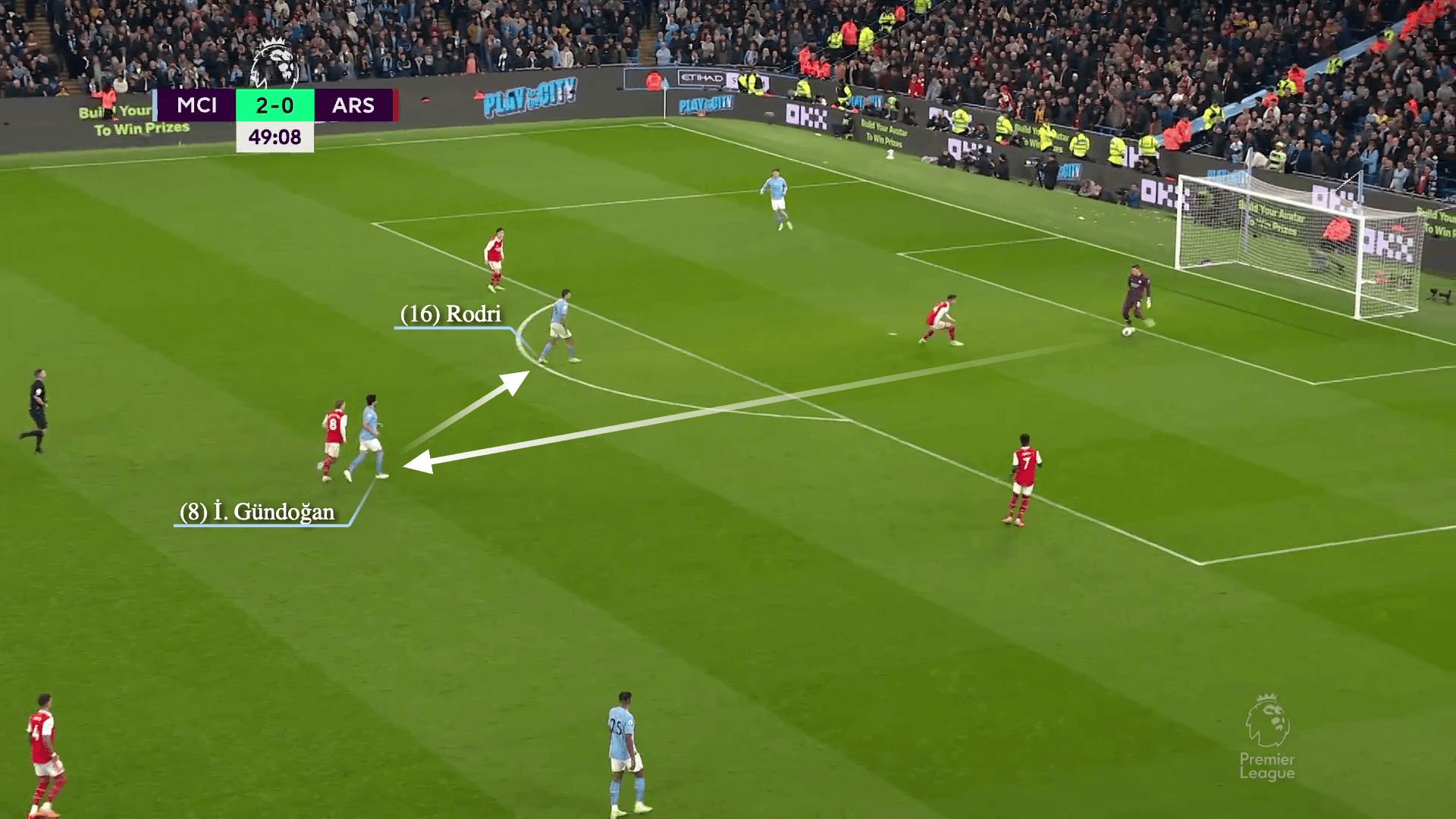
In Serie A, defensive solidity is traditionally valued, yet several teams remain consistently vulnerable to counterattacks. This exposure is rarely about individual mistakes. Instead, it stems from structural attacking choices, rest-defense organization, and how teams manage space immediately after losing possession. Understanding why certain Serie A sides are repeatedly punished in transition clarifies both their results and their risk profile.
Why Counterattack Vulnerability Is a Structural Issue
Teams do not concede counters by accident. The cause is aggressive positional commitment, the outcome is open space behind the ball, and the impact is high-quality chances conceded in low-defender situations. In Serie A, where tactical spacing is finely tuned, even small misalignments during attacking phases can trigger dangerous transitions against unbalanced shapes.
High Defensive Lines and Space Exposure
Many counter-prone teams defend far from their own goal to compress play. While this supports sustained pressure, it also increases recovery distance when possession is lost. Fast attackers exploit this space immediately. Without synchronized drop timing, center-backs are forced into backward sprints, reducing their ability to delay or control the attack.
Full-Back Advancement and Flank Imbalance
Wide defenders often drive attacking width, but their advanced positions leave channels exposed. If turnovers occur before midfield coverage shifts laterally, opponents attack the vacated flanks directly. This pattern explains why many counterattacks originate wide before cutting centrally against retreating defenses.
Mechanism of Rest-Defense Failure
When attacking numbers exceed defensive cover, the remaining defenders lack both depth and angles. One vertical pass can eliminate multiple players, converting an attacking phase into immediate defensive crisis.
Midfield Pressing That Breaks Shape
Over-aggressive midfield pressing amplifies counter risk. When midfielders step forward without cover, failed pressure opens central lanes. Opponents bypass the press with a single pass, attacking an exposed back line that has lost its screening layer. This is a common issue for teams prioritizing ball recovery over positional security.
Match States That Increase Counterattack Exposure
Game context intensifies vulnerability. Chasing a goal, dominating possession late, or playing at home often increases attacking commitment. In these states, teams accept structural risk knowingly. However, repeated exposure suggests that mitigation mechanisms are insufficient or inconsistently applied.
Identifying Counterattack-Prone Teams Through Data
Before listing indicators, it is important to note that counter vulnerability shows consistency across matches rather than isolated incidents.
- High shots conceded following turnovers
- Elevated xGA from fast breaks
- Low defender count behind the ball during losses
- Frequent fouls committed while retreating
Interpreting these indicators together reveals whether counterattacks are a recurring weakness. When several persist, exposure is systemic rather than situational.
How Counterattack Risk Influences Odds Interpretation
From an odds interpretation perspective, counter vulnerability often hides behind strong possession metrics. Teams may appear dominant statistically while remaining fragile structurally. During pre-match analysis within a betting environment, recognizing this imbalance refines expectation around goals and volatility. In analytical routines that assess transition risk, navigating a web-based service such as ufabet168 helps illustrate how counterattack-prone teams can be overpriced due to territorial dominance, despite their tendency to concede high-impact chances on the break.
Comparing Counter-Resistant and Counter-Vulnerable Teams
A comparison highlights how structure determines exposure:
| Dimension | Counter-Resistant Teams | Counter-Vulnerable Teams |
| Rest-defense numbers | Balanced | Insufficient |
| Midfield cover | Layered | Aggressive |
| Recovery distance | Short | Long |
| Chances conceded | Low quality | High quality |
This contrast shows that counter defense is about positioning, not effort. Teams that manage space effectively reduce transition danger regardless of attacking ambition.
Summary
Serie A teams that are frequently exposed to counterattacks share common structural traits: high defensive lines, aggressive full-back usage, and fragile rest-defense organization. These vulnerabilities emerge from attacking intent rather than defensive incompetence. By analyzing how space is managed after possession loss, counterattack exposure becomes a predictable pattern that explains both match volatility and underlying risk.