
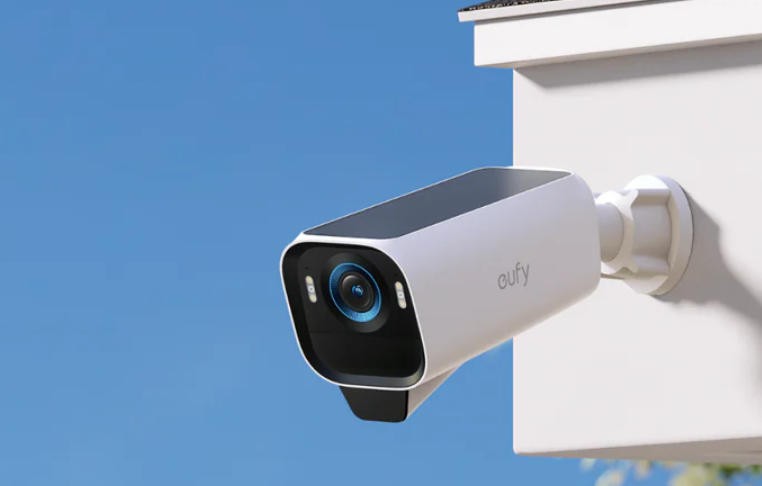
Security cameras play a crucial role in safeguarding homes and businesses, especially at night. To ensure optimal performance, it’s important to understand how different technologies and environmental factors affect camera performance after dark. With the right strategies, you can achieve clear and reliable footage, heightening your security measures for both indoor and outdoor environments. Explore our guide to equip your night surveillance systems with essential tips and best practices for unmatched night-time security coverage.
Understanding Night-Time Camera Technology
Infrared Illumination & Traditional Night Vision
Infrared illumination is a key feature in security cameras, enabling them to capture footage in complete darkness. Infrared LEDs emit light not visible to the human eye but detectable by camera sensors. In contrast, traditional night vision requires some ambient light to produce images. Both technologies play a crucial role in surveillance, with infrared offering superior night-time coverage and traditional night vision relying on artificial light sources like streetlights for better image capture.
Low-Light Sensors, Colour-at-Night & Advanced Modes
Low-light sensors enhance image clarity in dim settings by increasing light absorption. Cameras with Colour-at-Night technology capture detailed colour images even in low-light conditions—crucial for identifying suspects or objects. Advanced modes, such as dynamic range adjustment and noise reduction, further improve night-time footage by adapting to varying light levels and reducing image distortion. These technologies collectively enhance a camera’s efficiency, providing clear visuals regardless of external lighting conditions.

Environmental Influences: Lighting, Weather & Mounting
Performance can be affected by environmental factors. Ensure cameras are not obstructed by trees or structures that could cast shadows. Weatherproof cameras protect against rain and humidity, ensuring year-round reliability. Consider mounting locations carefully to minimize interference from streetlights, which can create glare and overexpose footage. Adjust settings for varying nighttime conditions to maintain footage quality, ensuring comprehensive surveillance coverage across different environments and weather conditions.
Best Practices for Installation & Positioning After Dark
Optimal Camera Placement, Height & Field of View
Position cameras strategically to cover key entry points and vulnerable areas. Mount them at a height where they can capture clear images without obstructions. Ensure the field of view covers a wide area to avoid blind spots. Achieve a balance between height and viewing angle to maximize efficiency, prioritizing strategic coverage rather than solely focusing on broader perspectives. This strategic placement optimizes surveillance, enhancing coverage while maintaining image clarity.
Avoiding Glare, Back-lighting & Obstructions
When installing cameras, avoid positioning them directly facing light sources, as this may cause glare. Adjust their angles to minimize back-lighting that can reduce image quality. Ensure no objects obstruct the view, like branches or walls, which can create blind spots. Regularly inspect the installation area for potential obstructions, allowing for necessary adjustments to maintain an unobstructed field of view, thereby improving overall surveillance effectiveness.
Supplementary Lighting, Motion Detection & Protective Housing
Enhance night-time footage quality with supplementary lighting, like LED floodlights, to illuminate dark areas. Use motion detection technology to activate recording only when activity is detected, saving storage and power. Ensure cameras are housed in protective casings to shield them from environmental damage and vandalism. These measures enhance durability and efficiency, creating a comprehensive surveillance system that performs reliably under various conditions.
Maximising Night Footage Quality & System Reliability
Regular Maintenance: Lens Cleaning & Firmware Updates
Regularly clean camera lenses to prevent dust and dirt from obscuring images. Keeping your system up to date with the latest firmware ensures optimal performance and incorporates security patches. Scheduled maintenance checks prevent technical issues and prolong your camera’s lifespan. A consistent maintenance routine maximizes the reliability and clarity of footage collected, playing a crucial role in maintaining your security system’s effectiveness.
Fine-Tuning Settings: Exposure, Gain, Motion Zones
Optimize settings by adjusting exposure levels to balance image brightness and contrast. Tweak the gain control to enhance image sensitivity without grainy distortion. Customize motion detection zones to reduce false alarms caused by irrelevant movement. These adjustments allow your system to perform optimally, capturing clear, useful footage. Regularly revisiting settings ensures adaptations to environmental changes, maintaining consistent surveillance quality.
Testing & Monitoring Night Footage: Simulations
Conduct night-time simulation tests to evaluate camera effectiveness. Regular monitoring allows you to identify and adjust any shortcomings. Schedule routine reviews of recorded footage to analyze performance and determine the need for adjustments. By simulating varied conditions, these tests ensure that cameras are prepared for real-life situations, maintaining high security and reliable footage quality when it is most critical.
Common Pitfalls to Avoid and How to Fix Them
Accepting Default Settings Without Review
Many users assume default settings are optimal. However, defaults are often generalized and may not suit your specific needs. Adjust settings to align with your environment and security requirements. Regular reviews of these settings ensure they remain effective as conditions change. Personalization of these settings enhances performance, ensuring a tailored security solution that fits your unique situation and maximizing system efficiency.
Relying Solely on Ambient Lighting or Inadequate Illumination
Dependence on existing light sources can result in poor image quality. Supplement lighting with infrared or LED options tailored to your surveillance needs, ensuring consistency and quality. Evaluate lighting during low-light hours to identify insufficiencies. Proactive lighting solutions ensure your cameras capture clear and actionable footage, enhancing your security system’s reliability and effectiveness during nighttime conditions.
Neglecting Power Outage Plans & Backup Recording
Without proper backup plans, a power failure can undermine your security system. Equip your setup with uninterruptible power supplies (UPS) and consider cloud-based storage solutions for uninterrupted recording. Frequent checks ensure backup systems function correctly, maintaining recording during outages. A reliable backup strategy safeguards footage integrity, providing security assurance even in unforeseen circumstances and keeping your surveillance system operational at all times.
Conclusion
Implementing these best practices ensures your security system delivers peak performance around the clock. Investing time in understanding technologies, optimizing installation, and regular maintenance will significantly enhance nighttime footage quality. Don’t overlook customization of settings and the importance of supplementary measures for comprehensive coverage. With these strategies, you can confidently rely on your security cameras to protect your property effectively day or night, securing peace of mind.