
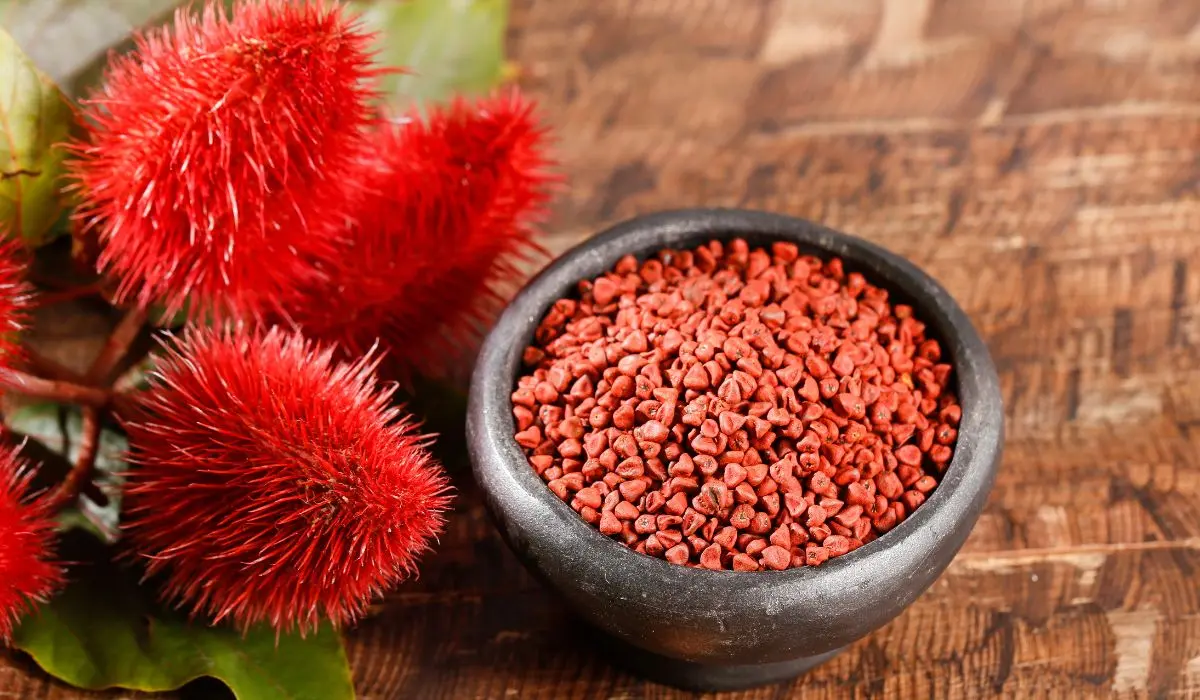
In today’s evolving food industry, consumers are more conscious about what goes into their food. Artificial ingredients, especially synthetic dyes, are steadily being replaced by safer, plant-based alternatives. One of the most widely used and trusted natural pigments is annatto food coloring — a bright, golden-orange hue that has been used in foods for centuries. As the demand for natural food colors continues to rise, annatto stands out as a versatile, stable, and consumer-friendly option.
What Are Natural Food Colors?
Natural food colors are pigments extracted from fruits, vegetables, plants, and other natural sources. Unlike synthetic colors, they are free from harmful chemicals and resonate with today’s clean-label trends. They not only make products visually appealing but also give brands an edge with health-conscious consumers who want ingredients they can recognize and trust.
What Is Annatto Food Coloring?
Annatto food coloring is derived from the seeds of the achiote tree (Bixa orellana), native to tropical regions. Traditionally, annatto has been used as both a spice and a dye, valued for its warm yellow-to-orange hues. The natural pigment comes from carotenoids — mainly bixin and norbixin — which give it its vibrant color.
Why Annatto Food Coloring Is in Demand
- Clean Label Advantage
Consumers today are reading labels more carefully than ever before. Annatto, being plant-based, fits perfectly into the clean-label trend, which favors natural ingredients over artificial additives. - Versatility in Application
Annatto food coloring can be used in a wide range of food products — from dairy and snacks to bakery and beverages — without affecting flavor. - Excellent Stability
Compared to many other natural pigments, annatto offers good stability to heat, light, and pH variations, making it a reliable option for manufacturers. - Allergen-Free & Vegan
Being derived from plants, annatto is suitable for vegan products and typically free from common allergens, allowing brands to cater to broader dietary preferences.
Applications of Annatto in Natural Food Coloring
- Dairy Products: Annatto is widely used to give cheese, butter, and yogurt their signature golden-yellow hue.
- Beverages: Natural fruit-based drinks, smoothies, and flavored waters often use annatto to achieve warm, inviting tones.
- Snacks and Sauces: Chips, popcorn, and sauces gain a natural golden shade without artificial dyes.
- Bakery & Confectionery: Cakes, cookies, and fillings can incorporate annatto for subtle orange-yellow accents.
The Role of Annatto in Clean-Label Foods
The clean-label movement isn’t just a trend anymore — it’s a consumer expectation. Annatto food coloring allows brands to replace synthetic yellows and oranges like Tartrazine or Sunset Yellow with a naturally derived, recognizable ingredient. This shift not only builds trust but also aligns with regulatory changes in various countries that are encouraging or mandating the use of natural ingredients.
Challenges and Future Innovations
While annatto is a stable and widely used natural pigment, it can sometimes interact with other ingredients or processing conditions, slightly affecting final shades. Ongoing research is improving extraction methods and enhancing pigment stability, making annatto food coloring even more versatile and reliable for global food manufacturers.
Final Thoughts
Annatto food coloring represents the best of what natural food colors can offer — vibrancy, stability, safety, and consumer trust. As brands continue to embrace clean-label practices, annatto’s warm, golden hue will remain a staple in everything from dairy products to beverages and beyond.
Natural colors aren’t just about beauty; they’re about trust, transparency, and a healthier future for the food industry.