
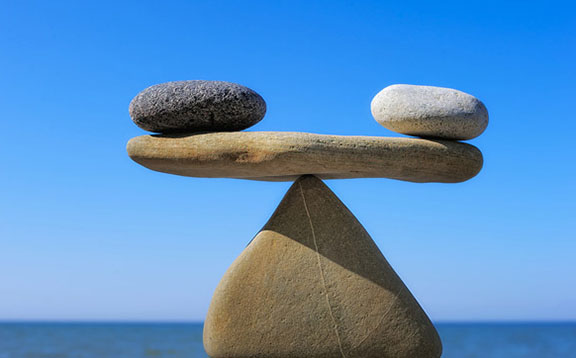
Modern life rewards winning, and you are constantly being pushed to compete at school, work, weekend leagues, and, of course, social media. But staying in constant “go mode” takes a toll — anxiety, burnout, even loss of purpose. The real challenge today is learning how to stay calm and clear while staying in the game.
Why competition gets under our skin
Psychologists have long shown that competition triggers both motivation and stress. A 2023 review from Frontiers in Psychology found that moderate competition boosts focus and effort, while excessive rivalry leads to fatigue and decreased satisfaction.
At its best, competition builds sharpness. Athletes and entrepreneurs alike perform better when they have clear targets. Studies in the Journal of Behavioral Medicine show that structured rivalry improves consistency and helps people set stronger routines.
Healthy competition teaches patience and delayed gratification — traits that make a difference far beyond the game. Even betting platforms like Sportbet show this pattern: long-term success depends less on luck and more on discipline, controlled pacing, and focused strategy. It’s about calculated decisions, not emotional reactions.
But excessive competition can make you feel unhappy and weak.
The thing is that competition lights up the same brain systems that respond to threat. That’s why even friendly matches can feel like survival. Hormones like cortisol and adrenaline spike, narrowing attention and shortening patience.
Social comparison makes it worse. On social media or in training groups, we often judge ourselves against highlight reels — someone else’s perfect day. Over time, that kind of constant comparison erodes confidence instead of building it.
The problem isn’t ambition itself — it’s imbalance. You can tell competition is hurting more than helping when:
- Every loss feels personal or humiliating.
- You keep training, but stop enjoying it.
- Sleep and recovery come second to “just one more round.”
- Wins feel empty or short-lived.
That kind of tension narrows perspective. You’re still performing, but without clarity or joy, and over time, both body and motivation crash. But you can fix this and learn how to enjoy competition in sport and real life.
Habits that keep you grounded and competitive
These practices might seem simple, but when you start using them, you’ll see how much effort and willpower they take:
Set process goals, not only outcomes
Instead of chasing “win the next match,” focus on something controllable: perfecting a serve, finishing training sessions on time, or managing reactions under pressure. You can’t control every result — but you can control your consistency.
Try micro-mindfulness
Mindfulness doesn’t have to mean sitting still for 20 minutes. A 2024 Sports Medicine review found that even 2–3 minutes of focused breathing between drills lowers heart rate and helps athletes reset mentally. Use breaks to breathe in for four counts, out for six, and re-center before the next effort.
Protect rest and routine
Elite performers schedule downtime as strictly as workouts. Regular sleep, tech breaks, and small non-competitive hobbies (music, walks, cooking) all keep the mind flexible and reduce overthinking.
Reframe failure
After a loss, most competitors replay mistakes in their heads. Instead, adopt a “review and release” mindset: note one clear lesson, then move on. That prevents rumination and makes improvement measurable.
Stop constant comparison
Track your metrics, not your peers. Replace “Am I better than them?” with “Am I better than last week?” That small shift builds internal motivation — the most reliable kind.
Train patience and control
Routines that demand focus and repetition, so teach discipline in small doses. Over time, that same self-control helps you handle stress during competition.
Create a simple weekly plan
Let’s say you train for any kind of physical competition, then make a plan and follow it to work your muscles and your mental state. Something like this:
- Monday–Tuesday: Focus on technical drills or work goals, using process targets.
- Wednesday: Active rest — yoga, stretching, light cardio.
- Thursday–Friday: Test performance in real conditions, but apply breathing resets between sets or meetings.
- Saturday: Reflect and review — what worked, what felt off, one lesson to carry forward.
- Sunday: Disconnect completely. Recovery is a strategy, not laziness.
Final thoughts
Balance comes from how you handle pressure. In sports or daily life, the most focused people stay calm when others rush. They train their minds the same way athletes train their bodies with steady habits, patience, and rest between efforts. When focus and recovery work together, competition stops feeling like a fight and starts feeling like a rhythm you can control. That’s where progress and real satisfaction come from.