
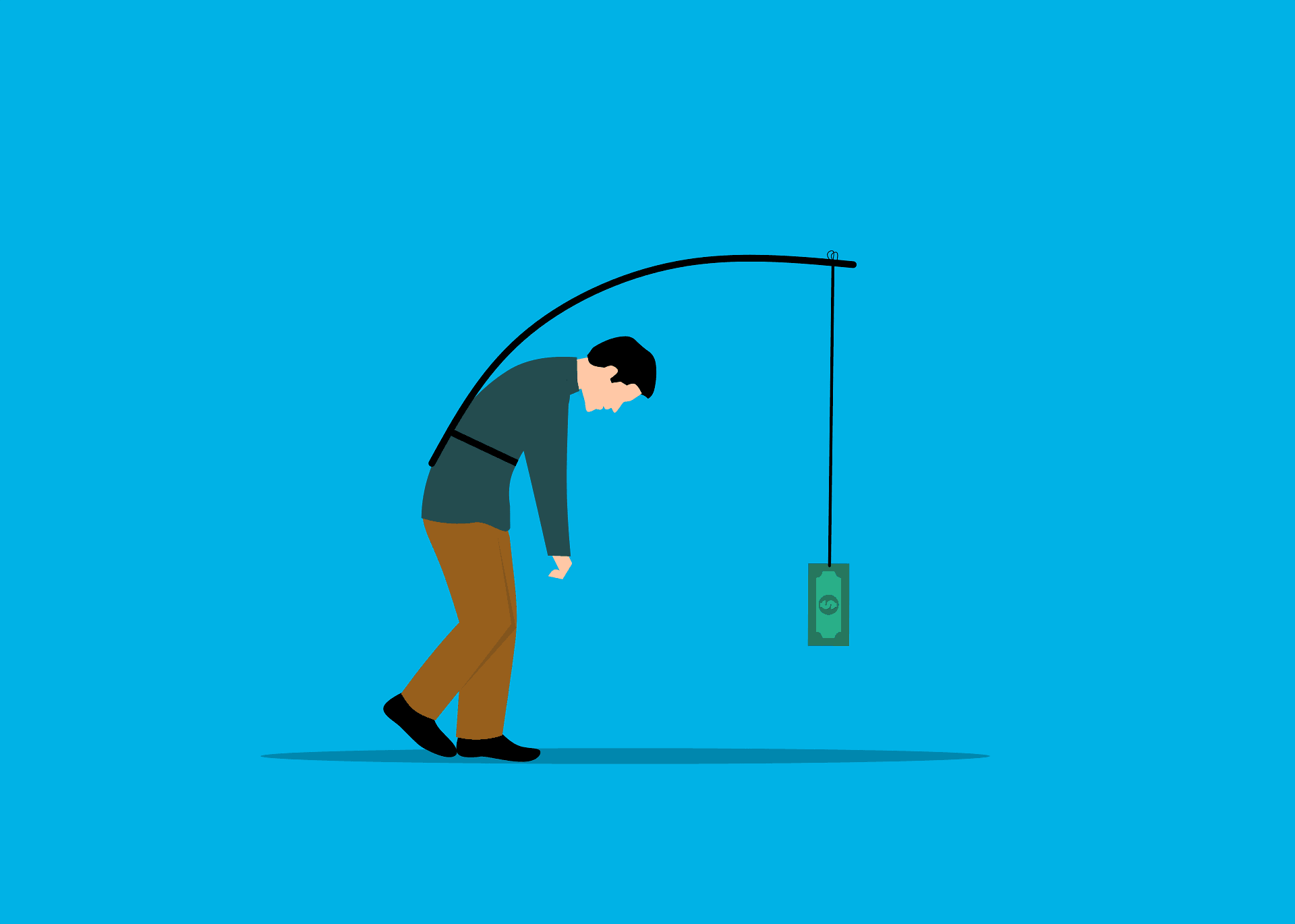
Chasing Losses: refers to the behavior of increasing bets or continuing to gamble after experiencing a loss, driven by the urge to recover lost money quickly. It is one of the most common and psychologically destructive habits among bettors. When a bettor loses, emotions like frustration and overconfidence combine to create an illusion of control — the belief that one more bet can “fix” everything.
This emotional impulse often overrides logic and risk management principles. The mind interprets loss not as part of variance, but as a personal failure that must be corrected. The more intense the emotion, the stronger the need to recover, leading to irrational behavior. Bettors start to wager larger amounts or riskier bets, escalating losses instead of reducing them.
Understanding the psychology behind chasing losses is the first step toward preventing this self-destructive cycle. Once bettors recognize how emotion distorts their decisions, they can begin developing control strategies that promote long-term balance and rational play.
The Psychology Behind Chasing Losses
The drive to chase losses stems from deep psychological mechanisms. When people lose, the brain’s reward system — fueled by dopamine — experiences a drop in stimulation. To restore that pleasurable feeling associated with winning, the mind seeks another opportunity, even if the odds are poor.
This pattern is amplified by cognitive biases. The gambler’s fallacy — the belief that past losses increase the likelihood of a future win — tricks the mind into justifying continued risk-taking. Emotional impulses such as anger, desperation, and greed make this illusion stronger, masking objective reasoning.
Psychologically, chasing losses combines multiple emotional forces. Frustration pushes bettors to act without thinking. Anger converts into overconfidence, convincing them they can “beat” the system. Desperation, a cousin to fear, keeps them trapped in the cycle, afraid to stop. These emotions resemble similar entities like greed and thrill, but their intensity after a loss makes them particularly dangerous.
At its core, loss chasing is not about money — it’s about emotional recovery. Bettors chase not just cash but the feeling of relief that comes with regaining control. Recognizing this truth exposes the emotional vulnerability that fuels reckless betting.
How Chasing Losses Affects Emotional Stability
Emotionally, chasing losses creates instability that grows with every failed recovery attempt. Stress levels increase, sleep decreases, and the bettor’s confidence begins to erode. Emotional instability and loss chasing are closely linked — one feeds the other.
Calm bettors approach each wager analytically, focusing on probability and discipline. Reactive bettors, however, experience emotional turbulence that clouds judgment. This difference between calm and reactive behavior defines the line between control and chaos.
Loss chasing distorts emotional regulation by turning each betting session into an emotional rollercoaster. When losses mount, frustration shifts to panic, and panic leads to impulsivity. Over time, chronic emotional instability contributes to burnout, anxiety, and even depression. The connection between emotional reaction and betting outcomes becomes a closed loop: the worse one feels, the more one bets, and the more one loses.
To escape this loop, bettors must understand that emotional control is not optional — it’s a necessity for both mental health and consistent betting success.
The Financial Risks of Trying to Recover Losses
Financially, chasing losses is the fastest route to bankroll collapse. When emotion replaces strategy, betting amounts often exceed safe limits. According to behavioral finance research, emotionally reactive bettors are 40% more likely to lose their entire bankroll within a month compared to disciplined bettors.
Overbetting to recover losses creates a compounding effect. Each large, impulsive bet magnifies the potential loss while reducing available funds for future strategic opportunities. Poor bankroll management becomes the norm, and debt accumulation follows.
The intersection of finance and psychology reveals how emotion influences spending behavior. The stress of loss impairs judgment, making risk appear smaller than it truly is. As the pressure to recover increases, logical assessment fades, and each wager becomes less about calculated value and more about emotional relief.
From a neutral, evidence-based standpoint, chasing losses is not simply a financial mistake — it is a behavioral spiral driven by psychological distress.
The Vicious Cycle of Emotion and Loss Chasing
The dynamic between emotion and loss chasing forms a self-perpetuating cycle. Emotional pain from losing triggers impulsive action, and impulsive action creates more losses. This leads to heightened emotional exhaustion and further irrational decisions.
Key co-occurring patterns such as loss chasing, emotional reaction, and risk spiral define this destructive loop. If emotions dominate, logical judgment collapses. Each emotional outburst adds fuel to the fire, reinforcing the brain’s need to “fix” the discomfort through more betting.
The more a bettor chases, the deeper the emotional dependence becomes. Betting transitions from a strategic hobby into an emotional coping mechanism. This cycle erodes confidence and amplifies financial stress. Repeating earlier evidence from psychology, emotions — not logic — drive the compulsion.
Breaking this cycle requires conscious emotional control, rational thinking, and structured recovery methods — the subjects of the next section.
Strategies to Avoid Chasing Losses
Preventing loss chasing demands deliberate discipline and clear strategy. The following steps help bettors maintain control and resist impulsive recovery betting:
Step 1: Set Strict Bankroll Limits
Determine the maximum amount you are willing to lose in a session. Once it’s gone, stop. Limits transform emotion into structure.
Step 2: Apply the “24-Hour Rule”
After a major loss, wait 24 hours before betting again. This cooling period allows emotions to settle and prevents reactionary decisions.
Step 3: Keep a Betting Journal
Document every wager, including the reason and emotional state at the time. Reviewing this data reveals patterns of impulsivity and helps refine strategy.
Step 4: Establish an Emotional Pause Routine
Before every bet, pause for 10 seconds. Ask yourself whether the decision is emotional or logical. This micro-check can interrupt impulsive cycles.
Step 5: Practice Mindfulness and Visualization
Visualize calm and controlled reactions after losses. Less common yet highly effective, this exercise reprograms emotional expectations.
Comparing reactive bettors to disciplined ones demonstrates the power of these strategies. While emotional bettors fluctuate wildly, disciplined ones maintain balance and long-term growth. Preventing loss chasing isn’t about luck—it’s about awareness, structure, and self-respect.
Emotional Control as the Core Solution to Loss Chasing
At the center of every successful betting strategy lies emotional control. Techniques such as mindfulness and cognitive reframing help transform emotional chaos into rational clarity. Emotional control gives bettors the ability to stay calm during losing streaks and avoid irrational recovery attempts.
When emotional control strengthens, decision-making clarity follows. The semantic closeness between these two concepts explains why disciplined bettors consistently outperform impulsive ones. Emotional awareness, discipline, and patience reinforce each other, building a self-sustaining system of control.
Discipline and awareness complement control through consistency. Bettors who cultivate daily habits—like reflection or meditation—develop resilience that buffers against emotional volatility. By mastering these internal mechanisms, they shift from reactionary gambling to analytical betting.
This internal mastery not only prevents loss chasing but also enhances overall well-being, confidence, and enjoyment in the betting process.
Real Examples: When Chasing Losses Leads to Collapse
Consider Mark (an emotional bettor) and David (a disciplined player). Both start with equal bankrolls and similar skill levels. Mark, after a string of losses, doubles his bet each time, convinced that one win will recover everything. David pauses after each loss, reviews data, and adjusts his next move strategically.
After a few weeks, Mark’s account balance is depleted, and his stress levels are high. David’s bankroll, though smaller than before, remains stable. The difference lies in emotional management, not betting luck.
These examples repeat earlier evidence: emotional reaction leads to collapse, while emotional control sustains progress. Mark’s impulsive recovery attempts reflect a common downfall; David’s restraint demonstrates discipline as a form of protection.
Learning from these real-world contrasts emphasizes the importance of emotional awareness. The only way to prevent collapse is to respect one’s limits and recognize that chasing losses rarely ends in recovery—it ends in regret.
Choosing Safe Betting Platforms that Support Responsible Behavior
The betting environment plays a crucial role in shaping behavior. Safe, transparent platforms encourage responsible play through features such as spending limits, activity reminders, and access to support resources. These tools help bettors maintain control and prevent reckless decision-making.
Regional access and familiarity also influence comfort and trust. Localized platforms designed for specific audiences create culturally aligned safeguards that reduce emotional and financial risk.
If you’re interested in learning more about football and responsible play, visit ยูฟ่าเบททางเข้า, which also provides full football and sports entertainment services. This platform promotes fair play, transparency, and responsible gaming practices that align with sustainable emotional health and balanced betting behavior.
Ultimately, chasing losses is not about poor luck—it’s about poor emotional control. Recognizing when emotion replaces logic is the moment real change begins. Emotional awareness turns destructive habits into learning experiences, and structure replaces chaos. The smartest bettors aren’t those who win the most—they’re those who stay calm enough to play wisely.