
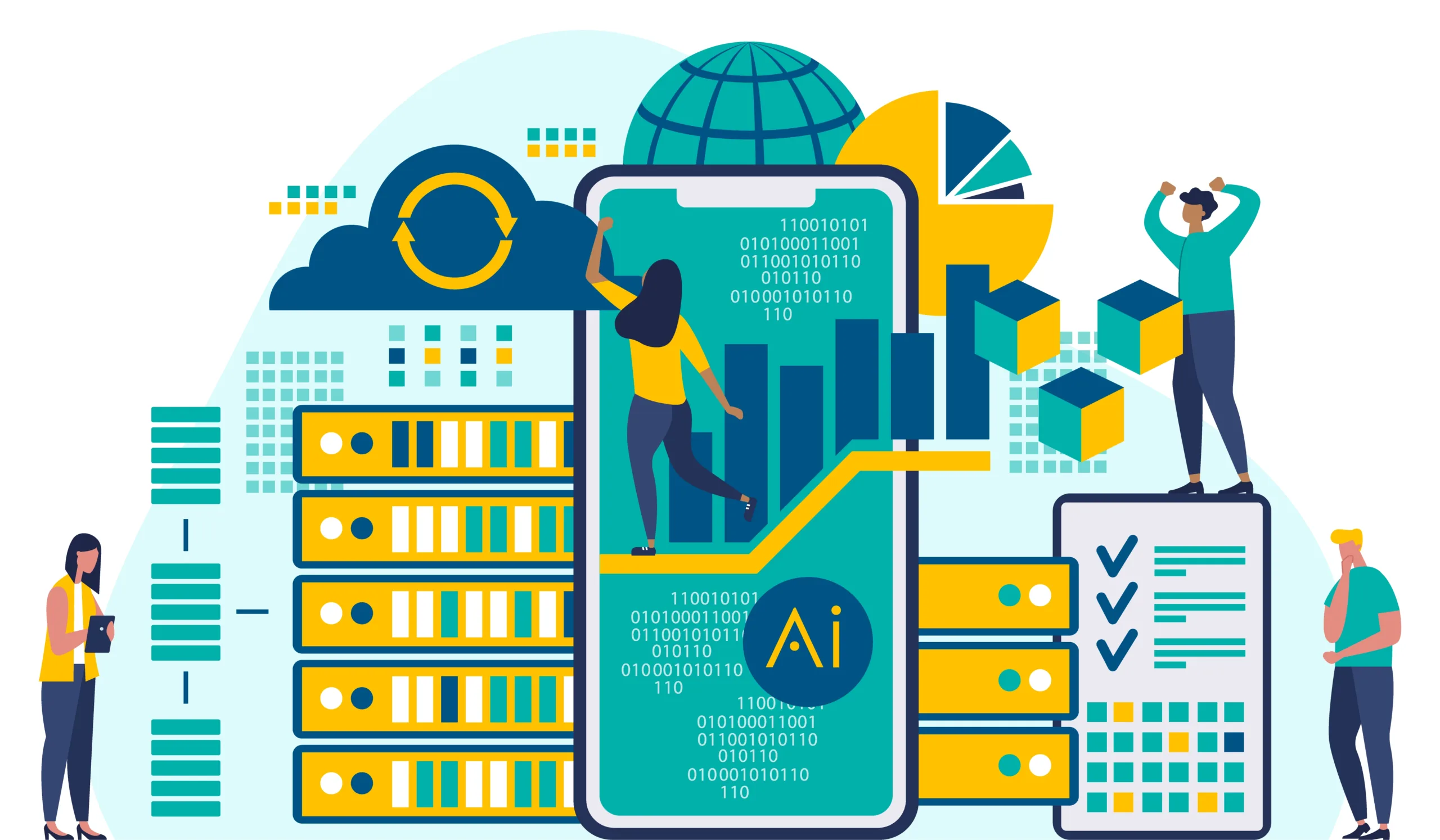
Recruiting at scale is one of the most demanding challenges for modern organizations. When companies need to fill hundreds or even thousands of positions—whether for rapid expansion, seasonal demand, or global operations—traditional hiring methods can quickly become inefficient, error-prone, and time-consuming. Managing such large applicant volumes requires not only organization but also precision and consistency in evaluating each candidate fairly.
This is where artificial intelligence (AI) has become an indispensable partner. The use of AI Recruiting Software has revolutionized how companies conduct large-scale hiring, combining automation, data analysis, and predictive insights to improve speed, accuracy, and quality across the entire recruitment process.
This article explores in detail the key benefits of implementing AI-driven recruitment systems for high-volume hiring, showing how technology reshapes the landscape of talent acquisition for large organizations.
- Accelerating the Hiring Process Without Sacrificing Quality
Large-scale recruitment campaigns often face one major challenge—time. Filling hundreds of positions within strict deadlines can overwhelm HR teams, especially when manual processes like resume screening or interview scheduling dominate the workflow.
AI dramatically shortens hiring timelines by automating repetitive administrative tasks. From parsing resumes to identifying top candidates, the software can process thousands of applications in minutes, something that would take human recruiters days or even weeks.
Machine learning algorithms quickly analyze candidate data, match skills with job requirements, and prioritize applicants based on their potential fit. This automation ensures that recruiters spend their time only on strategic evaluations and interviews rather than data sorting.
For example, if a company is hiring 500 customer support representatives, AI can immediately identify applicants with relevant experience in customer service, strong communication skills, and specific technical proficiencies. Instead of reviewing every resume, recruiters receive a ready-made shortlist of high-potential candidates—speeding up the hiring cycle while maintaining quality standards.
- Managing Massive Volumes of Applications Efficiently
When companies announce large-scale openings, the volume of incoming applications can be overwhelming. Traditional recruitment systems often struggle to handle this data efficiently, leading to delays, missed profiles, and even data errors.
AI-based systems are designed to handle scalability effortlessly. AI Recruiting Software can process, categorize, and analyze thousands of resumes simultaneously, ensuring that every applicant is considered fairly and systematically. Unlike manual review processes that depend on human bandwidth, AI tools maintain consistent speed and accuracy regardless of how many applications come in.
This scalability also prevents recruiter fatigue—a common issue in large-scale hiring campaigns. With automation handling the initial filtering, recruiters can focus their energy on candidate engagement and cultural fit assessments instead of administrative overload.
The result is a more streamlined and manageable recruitment pipeline that ensures no qualified candidate slips through unnoticed due to system limitations or human error.
- Consistency and Objectivity in Candidate Evaluation
Human evaluation, while valuable, is often subjective and influenced by unconscious bias, personal preferences, or fatigue. In large-scale hiring, where thousands of decisions must be made quickly, maintaining fairness and consistency becomes even harder.
AI introduces standardization into the evaluation process. The software uses predefined criteria and data-driven logic to assess candidates objectively. For example, it can evaluate resumes for relevant skills, certifications, or job history without being influenced by personal identifiers like names, genders, or academic institutions.
This consistent approach ensures that every applicant is measured by the same standards. It not only enhances fairness but also supports compliance with diversity and inclusion goals.
By automating initial screening, AI Recruiting Software helps organizations create a more equitable hiring process, focusing purely on merit, qualifications, and potential rather than subjective impressions.
- Improved Candidate Matching Through Predictive Analytics
Large-scale hiring often demands quick decisions, but rushing can lead to poor matches and higher turnover rates. Predictive analytics—an essential component of AI recruitment—solves this problem by leveraging historical hiring data to identify which candidates are most likely to succeed in specific roles.
AI models analyze the characteristics of past successful employees—such as skills, work experience, and performance outcomes—and use that information to evaluate new applicants. This predictive capability allows recruiters to identify top performers early in the hiring process.
For example, if data shows that employees who excel in logistics roles tend to have certain analytical or organizational skills, the AI prioritizes candidates who share those traits.
This data-driven precision reduces the risk of mismatched hires and improves long-term employee retention, ensuring that large-scale hiring campaigns produce sustainable workforce quality.
- Enhanced Candidate Experience Through Automation
One of the biggest complaints among job applicants—especially in large recruitment drives—is the lack of communication and feedback. When thousands apply, it’s difficult for recruiters to provide timely updates or personalized responses.
AI automation bridges this gap seamlessly. Intelligent chatbots and automated messaging systems can keep candidates informed throughout the process. They can send confirmation emails, interview reminders, and even personalized feedback without requiring manual input from recruiters.
Furthermore, AI chatbots can interact with applicants 24/7, answering questions, explaining job requirements, or guiding them through the application process. This continuous communication enhances transparency and improves the candidate experience.
A positive recruitment experience is vital for employer branding. Even candidates who don’t receive offers are more likely to view the organization favorably when they feel respected and engaged throughout the process.
- Advanced Resume Screening and Contextual Understanding
In traditional hiring, recruiters rely on keyword searches to filter resumes—a method that often misses qualified candidates whose skills are described differently. AI changes this by using semantic search and contextual analysis to understand meaning rather than just exact word matches.
For example, an AI system can recognize that “data analysis” and “data analytics” refer to the same skill, or that “sales associate” and “account executive” describe similar roles.
This contextual awareness ensures a wider, more accurate pool of qualified candidates. It also reduces the likelihood of rejecting good applicants due to formatting differences or unconventional terminology.
For large-scale hiring, where efficiency is critical, this intelligent screening approach helps organizations identify strong candidates who might otherwise go unnoticed in a traditional keyword-based system.
- Reduced Time-to-Hire and Lower Recruitment Costs
Every day a position remains unfilled can impact productivity and revenue, especially when scaling operations. Reducing the time-to-hire while maintaining quality is therefore a top priority for HR teams.
AI helps achieve this balance by automating tasks that traditionally cause delays—such as manual screening, scheduling, and communication. The faster candidates are processed, the quicker recruiters can move them through interviews and assessments.
This acceleration has a direct impact on cost efficiency. When administrative workloads decrease, HR teams can manage large-scale campaigns with fewer resources. Additionally, improved candidate matching reduces turnover, saving costs associated with rehiring and retraining.
Overall, the automation and intelligence offered by AI allow businesses to recruit faster, smarter, and more economically.
- Data-Driven Insights for Strategic Decision-Making
AI recruitment platforms do more than automate—they provide deep analytical insights that help HR leaders make better strategic decisions.
During large-scale hiring, real-time dashboards can display key metrics such as time-to-fill, source effectiveness, diversity ratios, and candidate conversion rates. By analyzing these patterns, organizations can identify which sourcing channels produce the best talent or where candidates are dropping off in the process.
For instance, if data shows that most successful hires come from professional networking sites rather than job boards, HR teams can adjust their marketing spend accordingly. Similarly, if many applicants fail at the same assessment stage, it might indicate that job descriptions or test criteria need refinement.
These insights ensure continuous optimization of recruitment strategies, turning each hiring campaign into an opportunity for learning and improvement.
- Enhancing Collaboration Across Global Recruitment Teams
Large-scale hiring often involves multiple recruiters, departments, and even international teams. Coordinating all these stakeholders can be complex and prone to miscommunication.
AI simplifies collaboration through centralized platforms that store and update candidate data in real time. Recruiters across regions can view candidate progress, share feedback, and access standardized evaluation criteria, ensuring alignment throughout the process.
In addition, AI tools often integrate with communication platforms, calendars, and HR management systems, creating a connected recruitment ecosystem. This streamlined collaboration enhances transparency, minimizes duplication of effort, and allows global teams to operate as a unified hiring unit.
- Building a Long-Term Talent Pipeline
Large-scale hiring doesn’t end when current vacancies are filled. For sustained growth, organizations must continuously build and maintain a strong pipeline of potential candidates for future roles.
AI systems automatically organize candidate data into structured databases that remain valuable long after a hiring campaign ends. They can flag promising candidates who weren’t selected for current openings but may be suitable for future opportunities.
Moreover, AI Recruiting Software can predict upcoming hiring needs based on workforce trends, turnover rates, and business expansion plans. This predictive capability helps companies stay ahead by proactively sourcing and nurturing talent before demand peaks.
As a result, recruitment becomes a continuous, strategic process rather than a reactive one, reducing the urgency and stress typically associated with large-scale hiring.
- Improved Compliance and Documentation
With large recruitment volumes come increased compliance responsibilities. Companies must ensure adherence to labor laws, equal opportunity regulations, and data protection standards across all hiring activities.
AI technology assists by maintaining accurate, organized records of each recruitment action. Every decision—from resume screening to interview feedback—is logged automatically, ensuring transparency and accountability.
Additionally, AI can alert recruiters to potential compliance risks, such as inconsistent hiring practices or incomplete documentation. This built-in oversight reduces the likelihood of legal issues and enhances trust in the recruitment process.
Conclusion
Large-scale hiring demands efficiency, consistency, and strategic foresight—qualities that traditional recruitment processes alone cannot deliver. By integrating AI Recruiting Software into their operations, organizations can transform high-volume hiring from a logistical challenge into a competitive advantage.
From automated screening and predictive analytics to improved candidate engagement and compliance tracking, AI empowers recruiters to handle massive workloads without compromising quality or fairness. The technology ensures that every applicant is evaluated accurately, every decision is data-backed, and every stage of hiring is optimized for speed and precision.
Ultimately, AI doesn’t replace the human touch in recruitment—it enhances it. By taking over repetitive, data-heavy tasks, it allows HR professionals to focus on what matters most: building relationships, assessing culture fit, and shaping a workforce that drives long-term success.
In a world where talent acquisition defines organizational growth, embracing AI-driven recruitment is no longer just an advantage—it’s a necessity for scaling efficiently and intelligently.