
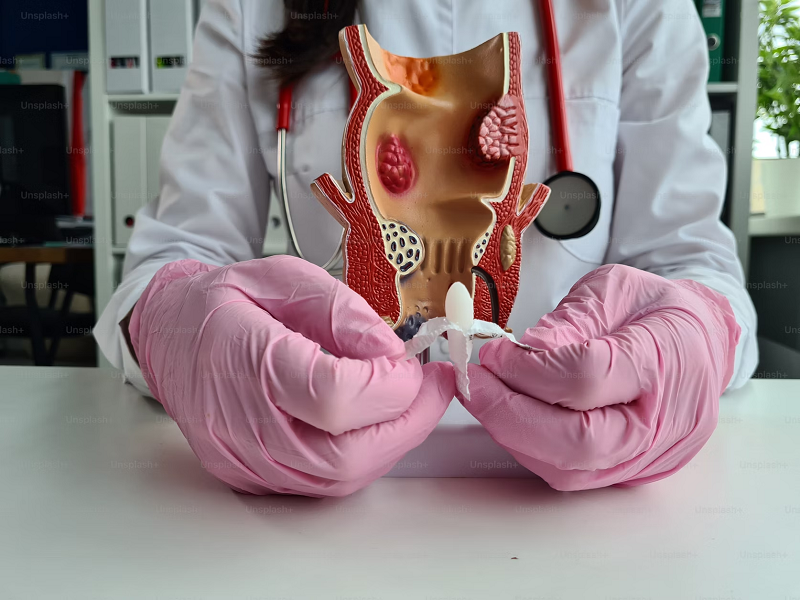
Living with piles can be exhausting, both physically and emotionally. The discomfort, itching, and occasional bleeding often make daily routines difficult, leaving many people searching for relief. The good news is that with the right approach, you don’t have to live with this pain forever. Understanding the causes, home remedies, and medical treatments can help you take back control of your health and well-being.
What Exactly Are Piles?
Piles, also known as hemorrhoids, are swollen veins in the rectum or anus that can cause pain, itching, and even bleeding during bowel movements. They can develop due to straining, chronic constipation, pregnancy, or sitting for long hours. While they’re extremely common, many people hesitate to talk about them because of embarrassment.
It’s important to remember that treatment for piles is nothing to be ashamed of. Millions of people around the world face this issue, and with proper care, the condition can improve dramatically. Early recognition of symptoms often makes the healing process faster and less complicated.
Lifestyle Adjustments for Lasting Relief
The first step in managing piles often involves small but powerful lifestyle changes. Adding fiber-rich foods like vegetables, fruits, and whole grains to your meals can make stools softer and easier to pass. Drinking plenty of water throughout the day also helps prevent constipation, which is one of the main triggers of piles.
Exercise is another natural solution. Even a 20-minute walk can improve digestion and blood circulation, reducing the pressure in rectal veins. Avoiding long hours of sitting—especially on the toilet—can also lower your risk of flare-ups. These habits not only ease discomfort but also support long-term digestive health.
Home Remedies That Really Work
For many, the first line of comfort comes from simple treatment for piles at home. Warm sitz baths, where you soak the lower body in warm water for 10 to 15 minutes, can reduce swelling and provide instant relief. Applying natural soothing agents like aloe vera gel or coconut oil may also help calm irritation.
Cold compresses are another effective option. Placing an ice pack wrapped in a cloth against the affected area for a few minutes can shrink swollen veins and reduce pain. While these remedies may not cure piles completely, they do provide much-needed relief and can be used alongside other treatments.
Medical Treatment for Piles
When home care isn’t enough, professional medical options are available. Doctors often recommend creams or suppositories that ease itching and swelling. In more severe cases, non-surgical procedures like rubber band ligation or infrared coagulation may be suggested to shrink or remove piles.
For those with chronic or large hemorrhoids, surgery may be the final option. While the word “surgery” may sound intimidating, advancements in medical technology have made these procedures safer and less painful than ever before. Choosing the right treatment for piles depends on the severity of your condition, so consulting a healthcare professional is always the best step forward.
Preventing Piles from Returning
Prevention is just as important as treatment. Once you’ve found relief, maintaining healthy habits ensures piles don’t return. Regular exercise, a balanced diet, and staying hydrated all reduce the risk of constipation. Avoiding processed foods and limiting alcohol can also help keep your digestive system in good shape.
Listening to your body plays a big role too. Don’t delay bowel movements when the urge arises, as holding it in can create pressure that leads to piles. Over time, these simple practices become second nature and protect you from recurring discomfort.
When to See a Doctor
While mild cases of piles often improve with home care, it’s important to know when to seek medical advice. If you notice persistent bleeding, severe pain, or changes in bowel habits, a doctor should evaluate your symptoms. Sometimes, what seems like piles could be another underlying condition that needs attention.
Medical guidance not only provides peace of mind but also ensures you receive the right treatment tailored to your needs. Never ignore prolonged discomfort, as timely care can prevent complications and restore your quality of life.
Final Thoughts
Living with piles doesn’t mean living with pain forever. From small daily changes to professional medical care, there are many solutions available to bring comfort and healing. The key is to act early, listen to your body, and seek help when needed. Whether through natural remedies or advanced medical treatments, relief is within reach.
By learning about the right treatment for piles, you can take back control of your health and enjoy a life free from constant discomfort. And just like people follow trends in wellness or even height comparisons, it’s always good to stay informed about your own health so you can make the best decisions for yourself.