
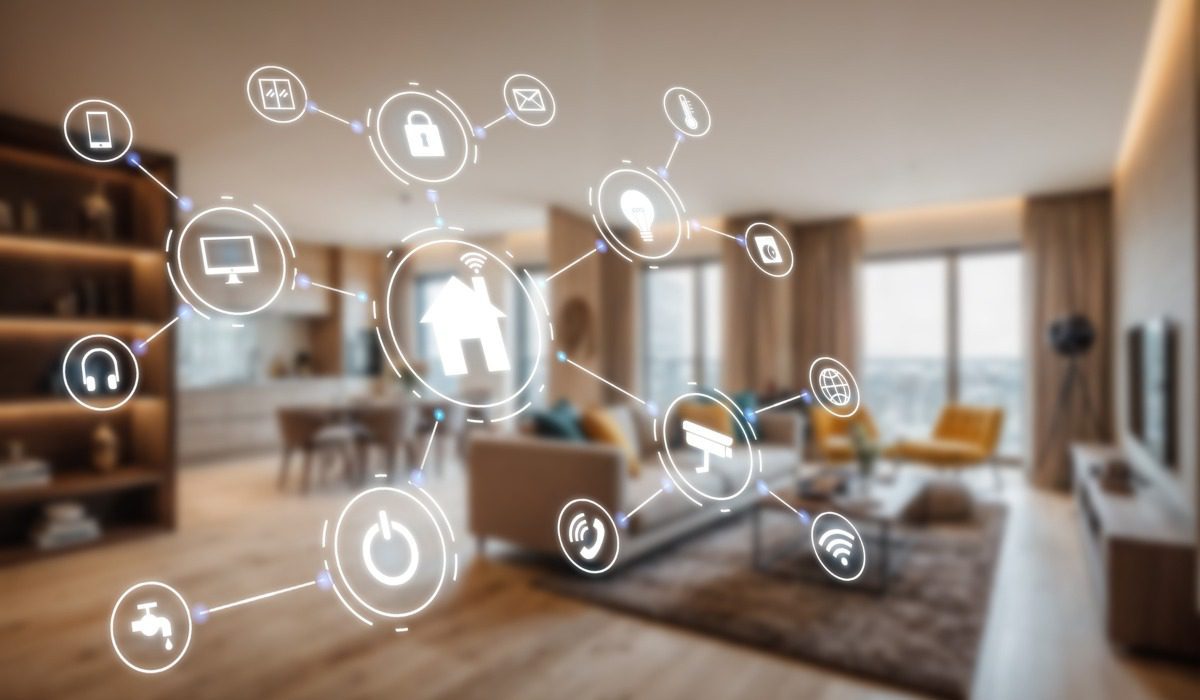
Imagine sitting on your couch and controlling the lights or thermostat in a room on the other side of your house, using just your voice or tapping a button on an app.
That, my friend, is the power that connected smart devices can add to your life.
They have revolutionized the way we interact with our homes, adding a higher level of flexibility, comfort, and control to our daily activities. From making your morning coffee to scheduling your dentist appointments, connected smart devices have a range of applications that can allow you a seamless digital lifestyle.
By now, you’re probably thinking, what exactly are connected smart devices, how do they do all of the stuff I’ve mentioned above, and how can they improve my life, right? Don’t worry, we’re going to be diving deep into all these questions.
Together we will explore:
A Network of Digital Intelligence
Deep-Dive Into Their Powerful Features
Exploring How Smart Devices Enable a Seamless Digital Lifestyle
Steps to Start Using Smart Home Technology
Let’s begin!
A Network of Digital Intelligence
Sometimes also known as the Internet of Things (IoT), these are basically a network of devices that use the internet to communicate and perform various tasks.
Even if you’re not at home, as long as you have a good internet near you, you can use these devices to perform, control, or automate different processes in your home, such as making your morning coffee, adjusting the thermostat to your preference, or even adjusting the lighting based on the occasion, to name a few.
Many devices can be a part of this network, depending on what you choose. However, some of the most common ones include those mentioned below. Let’s take a look.
- Smart TVs: These are TVs that use the internet and allow you to access various streaming services, games, and other online and sometimes live content.
- Smart Speakers: These are often the control hub of an entire network of connected smart devices. They translate your voice commands into instructions for the whole network.
- Smart Thermostats: Thermostat systems that learn your preferences and allow you to efficiently monitor and control energy use. You can control them through your smart speakers or a dedicated app.
- Smart Security: A network of security devices such as cameras, sensors, and alarms that you can monitor and control remotely.
- Wearable Tech: Wearable devices like smartwatches or smart clothing that keep track of your health and fitness activities.
- Smart Appliances: Any household appliance that you can monitor and control remotely through apps or smart speakers that are connected to the internet.
Your IoT network can be made up of some or all of the devices mentioned above, and each of them plays its role in helping you maintain a seamless digital lifestyle. Maybe explaining how connected smart devices work can help you understand this better.
Here’s a step-by-step overview of the process:
- The smart speaker or central hub gives the command, based on your requirements.
- These commands are communicated to each of the relevant smart devices in the IoT system, using a connectivity framework like Wi-Fi, Bluetooth, Zigbee/Z-Wave, or Thread.
- Once the smart devices receive the instructions, each of them acts as instructed.
This system, of course, is made possible with certain features, and I’m going to explore some of the most common ones in the next section.
Deep-Dive Into Their Powerful Features
Connected smart devices can spare you considerable time and effort with certain features, and the ones I’ve shared below are some of the most significant ones. Let’s explore.
Device-to-Device Communication
Smart speakers or central control hubs can communicate with and control other smart home technology, making your life easier. You can control appliances, the thermostat, lighting, and more, as long as it’s integrated with your smart speaker or central hub.
Wearable Tech Integration
Wearable tech, such as your smart watch, can be integrated with other smart home technology like smart speakers, smartphones, and health or fitness apps. This does depend a bit on the brand you choose. Apple may be more limited here compared to other brands, since its products aren’t compatible with non-Apple products.
Task Automation
Automation is one of the standout features of the Internet of Things. You can save yourself time, effort, and expenses by using these devices to automate daily tasks based on your lifestyle and preferences. For example, your smart lighting system could automatically turn on the lights when you’re about to get home.
Real-Time Data Syncing
The devices that are part of an IoT network continually collect and use data to improve your experience over time. By syncing this data in real time, they allow quick and continued data sharing, which in turn allows them to deliver on your preferences quickly and relevantly.
With these powerful features literally at your fingertips, even if you’re not that tech savvy (like me), you can embrace a seamless digital lifestyle.
What does this mean? Maybe the benefits I’m about to share next might paint a better picture for you.
Exploring How Smart Devices Enable a Seamless Digital Lifestyle
A seamless digital lifestyle brings across-the-board benefits to some of the most important functions in your home. Let’s explore which areas these are and how IoT can level them up.
Higher Convenience
By automating daily tasks and allowing you to handle others using voice or apps, connected smart devices can increase the level of convenience you enjoy. No more getting up to switch off lights or forgetting important tasks.
Personalized Experiences
Have you noticed how Netflix shows you more of the movies and shows you like? That’s what personalization is: tailoring your experience to your preferences. By collecting data about your lifestyle, needs, and habits, smart devices also personalize your smart home experience.
Efficient Energy Use
Smart thermostats and lighting can help you identify how and where you’re using or wasting energy and take the required precautions. They can also automate different processes to cut down on energy-related costs, such as turning off lights or adjusting the temperature to balance cost and convenience. For Texas residents, choosing a reliable energy provider can complement these efforts. Many homeowners explore options like think energy, which offers plans tailored to smart home usage and energy-efficient living.
Improved Security
Did you know that you can prevent up to 60% potential break-ins if you have a security system installed in your home? By picking unusual movements, activities, or even behaviors, smart security systems can inform you right away or even take the needed actions. They often come with a dedicated app where you can monitor what’s going on in or around your home.
If the benefits I’ve shared above have you even a tiny bit inspired to set up smart devices in your home, let me help you get there.
In the next section, I’ll share how you can get started.
Steps to Start Using Smart Home Technology
With the steps I’ve shared below, you can set up a smart home in a way that suits your unique needs. Let’s take a look.
Assess Your Lifestyle
Before you make any sort of investment in smart home technology, it would help to assess your lifestyle, needs, and identify which areas could really benefit from it. Ask yourself if you’re looking for a full-scale smart home or need just one function? Answers to these questions will help you make the right choice and prevent unnecessary spending.
Pick a Control Hub
This is the central point that will execute or automate your commands by communicating and instructing other devices to act accordingly. Some of your best options here are Amazon Echo, Apple HomePod, and Google Nest.
Choose Your Smart Devices
This is where the first step will help you. By identifying your lifestyle, habits, and needs, you’ll be able to choose only the devices you actually need.
If, for example, security is what you’re going for, you might want to invest in just a smart security system. However, if you want all-around connectivity, you might also want to consider starting with the essentials, which include smart lights, plugs, a thermostat, and security.
When selecting these, make sure they’re compatible with your central hub.
Connected Smart Devices – The Future Standard of Homes Everywhere
The convenience, flexibility, personalization, control, and automation (long list, I know) that smart devices offer homes have rapidly accelerated their growth.
By the end of this year, smart technology will have become a part of 77.6% homes, which is expected to reach up to 92.5% in the next 4 years.
Even remote areas may soon adopt these devices more, as services like satellite internet become more common.
Advancements in artificial intelligence and machine learning will also play a huge role in improving the performance of these devices and eventually turning them into a common part of homes everywhere.