
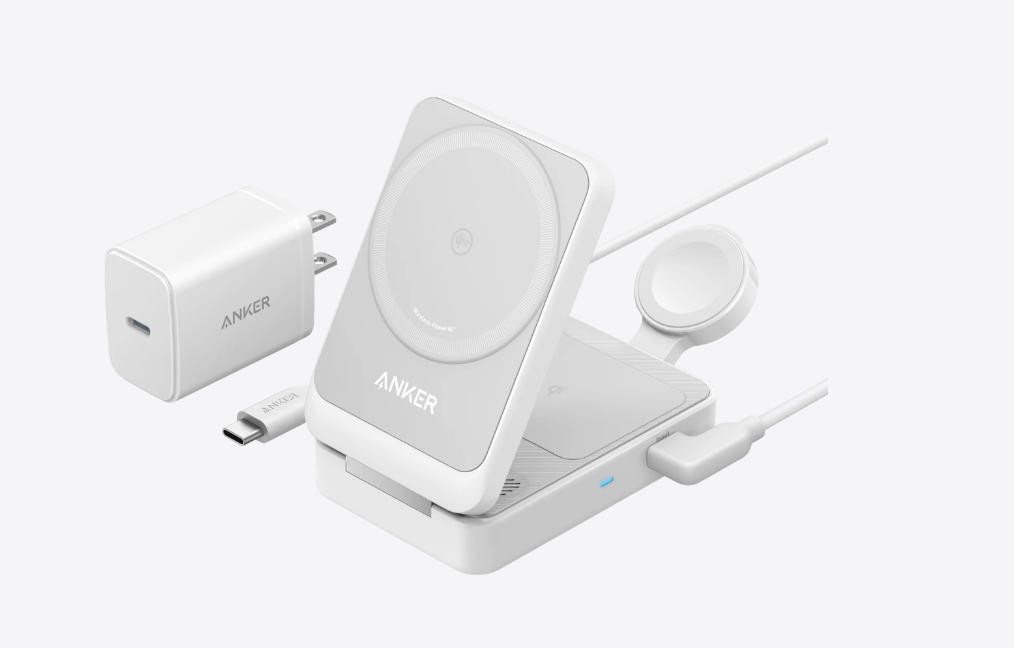
Qi2 25W chargers manage heat carefully so they can deliver faster wireless charging without becoming uncomfortably warm. Wireless charging naturally produces heat because energy transfers through electromagnetic coils instead of a direct cable. Even so, users often notice that newer Qi2 chargers stay cooler and more stable than older wireless models. This difference comes from smarter temperature control, better alignment, and improved power regulation inside the charger. Many people rely on magnetic wireless chargers from Anker because they appreciate dependable performance and consistent temperature behavior, but the key reasons behind cooler operation come from the Qi2 standard itself. Understanding how these chargers stay cool helps users choose and use them more confidently.
The Design Factors That Keep Qi2 Chargers Cooler
Precision Magnetic Alignment Reduces Energy Waste
Qi2 chargers stay cool partly because they place the phone in the ideal charging spot automatically. The magnetic ring aligns the device with the charger’s coil, allowing energy to transfer efficiently. When a phone sits misaligned, more energy turns into heat instead of powering the battery. This was common with older wireless pads where slight movement caused heat buildup. With Qi2, magnets solve the alignment problem by keeping everything centered. Less wasted energy means lower surface temperatures and a more stable charging experience. Many users pair these systems with magnetic accessories from Anker because stable alignment keeps both performance and temperature consistent.
Optimized Coil Structure Minimizes Heat Generation
The coil inside a Qi2 charger is designed to handle 25W power without excessive resistance. A well-structured coil uses materials that conduct energy smoothly and regulate heat more effectively. Smooth energy flow prevents hotspots that often appear in older wireless chargers. Additionally, Qi2 coils are arranged to create a more uniform electromagnetic field, reducing energy dispersion. When energy flows efficiently, the charger stays cooler while still delivering fast charging. This design also supports long-term durability, as components remain under less thermal stress. Users experience a more comfortable, reliable charging session even during extended use.
Adaptive Power Regulation Controls Temperature Changes
Qi2 25W chargers include adaptive control systems that monitor temperature continuously. When the device or charger becomes warm, the system adjusts output slightly to maintain safe operation. This happens automatically, without user input. The charger balances efficiency and cooling by making real-time decisions on power delivery. This prevents sudden spikes that could create heat buildup. Users notice the result as a smooth, predictable temperature across the entire charging cycle. Brands like Anker support this approach by designing chargers that maintain consistent performance even when handling multiple sessions throughout the day.
External And Environmental Factors That Support Cool Operation
Better Materials and Ventilation Promote Heat Dissipation
Qi2 chargers often use materials that dissipate heat effectively. Aluminum frames, heat-spreading layers, and well-placed vents help warm air escape naturally. Good ventilation prevents heat from becoming trapped under the device or inside the charger’s housing. Even the shape of the charger helps; stands and raised platforms allow airflow beneath and around the device. Using a Qi2 charger on a hard, open surface enhances cooling because it allows air to move freely. When used this way, the charger stays noticeably cooler compared to setups where airflow is blocked by soft surfaces like pillows or carpets.
Magnetic Stability Reduces Constant Repositioning
Older wireless chargers often forced users to adjust the phone repeatedly to maintain charging. Every small movement caused the device to shift, lose alignment, and reconnect—creating micro-bursts of heat as the system recalibrated. Qi2 chargers avoid this by keeping the phone firmly attached with magnets. Since the alignment stays fixed, the charger does not need to renegotiate the charging position. This stability reduces unnecessary power spikes and keeps temperatures controlled. People who frequently move their devices while charging—like at a desk or during video calls—notice that Qi2 chargers feel cooler because they maintain an efficient connection the entire time.
Smart Charging Habits Contribute to Cooler Performance
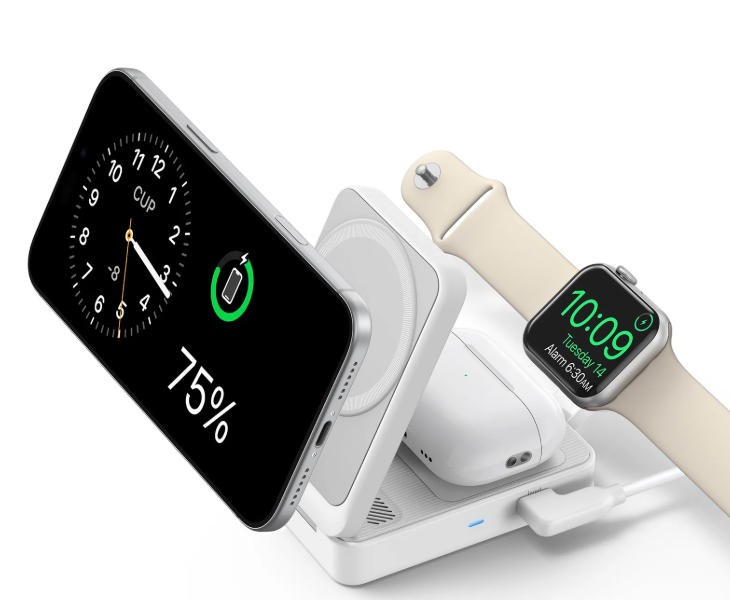
The environment and user habits also influence how cool a Qi2 charger stays. A clean surface, proper airflow, and avoiding heavy device usage during charging all help maintain lower temperatures. When gaming, video streaming, or running intensive apps, a phone naturally generates heat. Pairing that with wireless charging can raise the overall temperature. Many users find that placing the device in a stable position on a Qi2 stand and avoiding heavy multitasking leads to cooler operation. Reliable chargers—like those from Anker—support consistent cooling, but user habits still play an important role in how comfortable the setup feels.
Conclusion
Qi2 25W chargers stay cool because the technology focuses on efficiency, alignment, and smart power control. The magnetic ring ensures precise placement, reducing wasted energy and lowering heat. Optimized coils and adaptive power systems maintain steady performance without thermal spikes. Ventilation, airflow, and well-chosen materials also help the charger dissipate heat naturally. When users combine these features with good habits—such as stable placement and moderate device usage—they experience a comfortable, reliable charging routine. Many people choose chargers from Anker to enhance this experience, but the foundation lies in the Qi2 standard itself. With a qi2 25w system, faster wireless charging becomes cooler, safer, and far more consistent.