
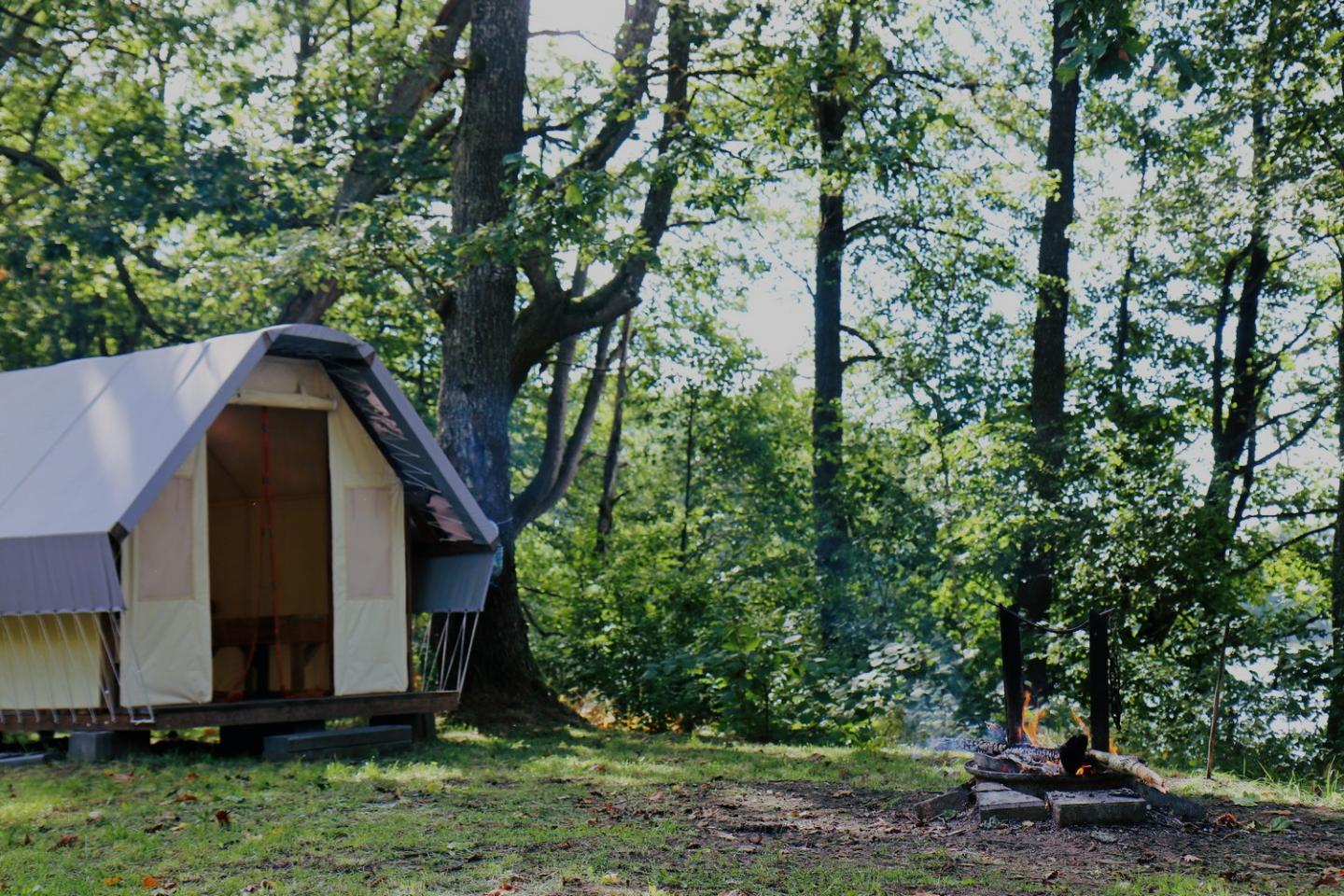
Eco-tourism has become one of the most promising pathways for cities that want to protect their environment while improving community welfare. In Indonesia, especially in regions with rich natural beauty like Palopo, eco-tourism is gaining momentum as a sustainable economic alternative. While the official website of the Dinas Lingkungan Hidup (DLH) Palopo, dlhpalopo.org is primarily an environmental governance platform, it also plays an influential role in supporting and promoting eco-tourism initiatives within the city. Through awareness programs, environmental policies, digital services, and community engagement tools, the website contributes significantly to shaping a greener and more attractive eco-tourism landscape in Palopo.
Providing an Environmental Framework for Eco-Tourism
Eco-tourism cannot thrive without proper environmental protection. Natural destinations such as waterfalls, rivers, forests, mangrove areas, and highland viewpoints depend on well-managed ecosystems. This is where DLH Palopo’s website becomes essential. It outlines the agency’s responsibilities in environmental regulation, conservation efforts, pollution control, and monitoring activities. By clearly presenting these functions, dlhpalopo.org helps establish the environmental foundation upon which eco-tourism can grow.When visitors, investors, or community groups access the website, they see a government institution committed to environmental integrity. This formal framework fosters confidence that eco-tourism development in Palopo is not purely commercial but is guided by sustainability principles. The clarity of mission and regulatory structure published on dlhpalopo.org also helps set expectations for eco-tourism operators who plan activities involving natural areas.
Promoting Public Awareness About Natural Assets
Eco-tourism promotion is not only about advertising tourist sites. It also requires educating the public about natural assets, their ecological importance, and the need to conserve them. The news and information sections of dlhpalopo.org often feature updates on environmental campaigns, clean-up actions, tree-planting initiatives, and community programs. While not always directly labeled as “eco-tourism content,” these updates indirectly promote the natural beauty and ecological richness of Palopo.For example, when DLH conducts reforestation activities or river clean-ups, these events highlight the value of natural spaces that can serve as eco-tourism attractions. In this way, dlhpalopo.org becomes a storytelling platform showcasing real environmental efforts that help preserve the scenic and ecological qualities needed for sustainable tourism. Residents and potential visitors gain awareness of the city’s commitment to protecting its environment, which increases interest in nature-based travel.
Encouraging Citizen Participation in Environmental Care
A healthy eco-tourism sector is built on strong community involvement. The Pengaduan or complaint service available on dlhpalopo.org enables residents to report environmental problems directly to DLH. Issues such as illegal dumping, pollution, land clearing, or damage to natural areas can be quickly communicated and addressed.
Why is this important for eco-tourism?
Because eco-tourism destinations must remain clean, safe, and well preserved. When residents actively report environmental violations, they help protect the natural attractions tourists want to visit. This form of digital citizen participation strengthens the guardianship of natural sites, making eco-tourism more viable in the long term. In essence, dlhpalopo.org transforms community members into environmental stewards whose vigilance supports the sustainability of local tourism spots.
Highlighting Environmental Programs That Support Tourism
DLH Palopo frequently launches programs related to waste management, green spaces, pollution reduction, and community empowerment. These initiatives, when published on the website, serve as indirect promotional tools for eco-tourism. For example:
- Waste reduction campaigns make natural areas more attractive to tourists.
- Tree-planting programs help restore forests and watershed zones often used for trekking or sightseeing.
- Urban greening projects beautify public spaces and create parks that visitors can enjoy.
- Educational programs encourage locals to adopt environmentally friendly practices that align with eco-tourism principles.
Supporting Responsible Business Practices
Eco-tourism involves not only visitors but also businesses, such as lodging providers, tour operators, restaurants, and transportation services. The Perizinan (environmental permitting) section of dlhpalopo.org explains the environmental requirements businesses must meet before operating. This includes waste management plans, environmental impact assessments, and compliance with regulations designed to protect natural areas.
When businesses follow these guidelines, eco-tourism becomes safer and more sustainable. The website’s transparency ensures that investors and business owners understand the city’s expectations. While not directly labeled as tourism promotion, this clarity ensures eco-tourism activities occur responsibly, which enhances the quality of the tourist experience.
Strengthening Eco-Tourism Branding Though Digital Governance
Although dlhpalopo.org is not a tourism website, its environmental emphasis contributes significantly to Palopo’s brand as a city that values sustainability. Modern travelers increasingly look for destinations that prioritize environmental care. By maintaining a website that consistently highlights environmental programs, digital transparency, and community participation, DLH Palopo indirectly cultivates an eco-friendly city identity.This identity is crucial because eco-tourism promotion today is not just about showcasing destinations it’s about presenting the values behind them. When a city demonstrates seriousness about environmental protection, tourists feel more confident about visiting its natural attractions.
Inspiring Community-Led Eco-Tourism Initiatives
Perhaps the most meaningful impact of dlhpalopo.org lies in its influence on local communities. By sharing environmental knowledge, encouraging public involvement, and highlighting local achievements, the website inspires residents to take pride in their natural surroundings. This creates fertile ground for community-driven eco-tourism initiatives such as village-based tourism, guided nature walks, mangrove education tours, or agro-tourism programs.When communities feel ownership of their environment, eco-tourism evolves from a government-driven effort into a shared civic movement.
Conclusion
Eco-tourism in Palopo thrives not only because of its natural beauty but also due to the digital infrastructure that supports environmental governance. Through information, transparency, education, and citizen engagement, dlhpalopo.org plays a quiet yet powerful role in promoting eco-tourism. The website strengthens environmental stewardship, builds community involvement, and shapes the sustainability narrative that modern eco-tourism requires. As Palopo continues to develop its natural attractions, the presence of an active, informative environmental platform ensures that tourism grows hand-in-hand with environmental responsibility.