
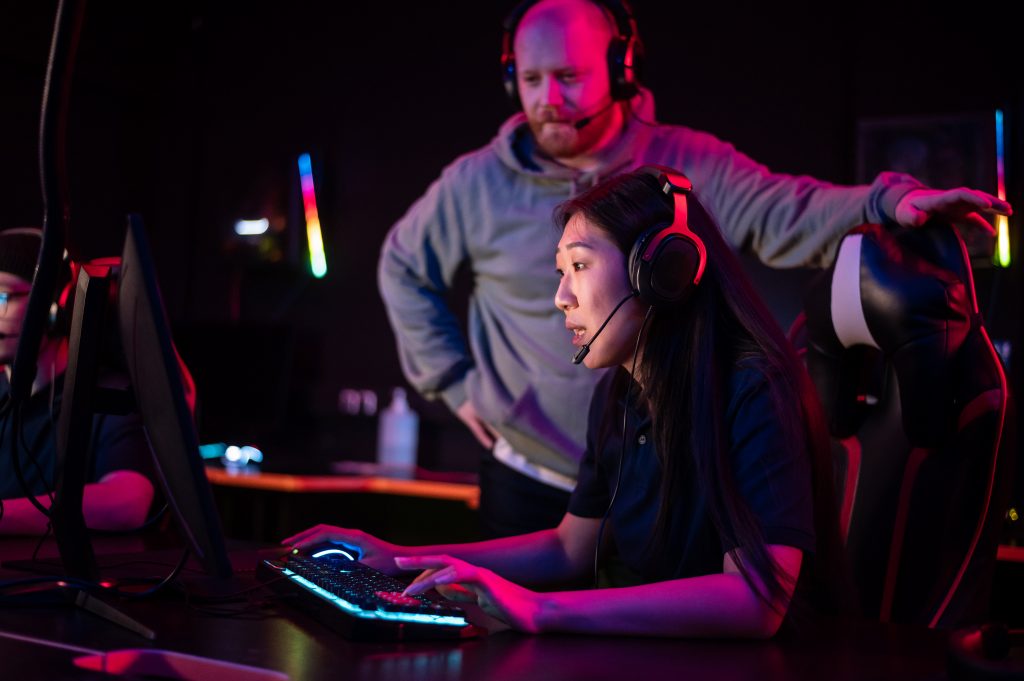
In the world of competitive gaming, mental strength is often as important as mechanical skill. Esports athletes face intense pressure from audiences, teammates, sponsors, and their own expectations. Every second counts, and every click can determine victory or defeat. Under such extreme conditions, emotions can run high — frustration, anxiety, and even fear of failure can overwhelm a player’s ability to think clearly. This is where mindfulness comes into play. Rooted in ancient meditation practices, mindfulness teaches individuals to focus on the present moment, helping them remain calm, alert, and aware even in the middle of chaos. For gamers, developing mindfulness means gaining control over their emotional responses and sustaining their concentration when it matters most.
The modern esports environment is more mentally demanding than ever. Players are expected to train long hours, travel frequently, and perform flawlessly on stage in front of thousands of spectators, both live and online. The pressure to maintain perfect results often leads to burnout and mental fatigue. Practicing mindfulness helps players slow down internally even when the game around them moves at lightning speed. It teaches them to detach from unproductive thoughts, reduce stress levels, and regain mental balance — transforming their gaming mindset from reactive to proactive.
The Mental Pressure in Competitive Gaming
Competitive gaming pushes the human mind to its limits. Unlike casual gaming, professional esports demands sustained concentration, adaptability, and emotional regulation for long stretches of time. In high-stakes titles such as Counter-Strike 2, Valorant, and Dota 2, one split-second lapse in attention can ruin a perfect play or cost a team the match. This constant threat of failure creates chronic stress, which over time can erode motivation, damage confidence, and hinder communication among teammates.
Mindfulness offers a psychological safeguard against these mental pressures. By training the mind to focus on breathing, bodily sensations, and immediate surroundings, players learn to recognize the onset of stress before it escalates. Instead of reacting impulsively after a mistake — shouting, blaming teammates, or tilting — mindful players can take a deep breath, observe their emotions without judgment, and re-center themselves. This awareness prevents emotional outbursts and allows them to return to strategic thinking faster.
For example, a player who misses a critical shot can quickly spiral into frustration, affecting their performance for the rest of the round. But through mindfulness, that same player learns to acknowledge the frustration, accept it, and move forward with composure. Over time, this mindset leads to improved consistency, healthier team dynamics, and greater resilience under tournament pressure.
How Mindfulness Enhances Focus and Performance
Mindfulness enhances not just mental well-being but also tangible in-game performance. Esports relies heavily on split-second decisions, precise coordination, and rapid adaptation. A calm mind processes information faster and more accurately than one clouded by stress or distraction. When a player practices mindfulness regularly, they become more aware of their thoughts and emotions, allowing them to channel energy toward performance rather than anxiety.
Studies in sports psychology show that mindfulness training can lower cortisol levels — the hormone associated with stress — and improve working memory, which is crucial for strategic decision-making. Esports professionals who meditate or perform breathing exercises before matches often report heightened concentration, steadier hand movements, and better reaction times.
Even within professional organizations, understanding rankings and performance metrics plays a significant role. Teams often analyze data such as cs2 ranks to measure their standing in the competitive scene. Yet, without emotional stability, even top-ranked teams can crumble under pressure. Mindfulness bridges this gap, allowing players to use data as motivation for growth rather than as a source of anxiety. By combining mental clarity with technical skill, players can sustain peak performance through the longest and most demanding tournaments.
Practical Mindfulness Techniques for Gamers
Applying mindfulness to gaming doesn’t require major lifestyle changes — small, consistent habits can make a profound difference. The key is to integrate mindful awareness into daily routines, practice sessions, and even live matches. Below are practical techniques that any gamer can begin using today:
- Breathing control: Deep breathing stabilizes heart rate and reduces tension. Before each match, take 10 slow breaths, focusing solely on the sensation of air entering and leaving your body. This helps calm the mind and prepare it for focus.
- Pre-match meditation: Spend five to ten minutes in silence or guided meditation. Visualization exercises — imagining successful plays or steady reactions — can reinforce confidence and reduce fear.
- Mindful pauses: Between rounds or after a defeat, close your eyes briefly, stretch, or simply breathe deeply. This micro-break allows the nervous system to reset, preventing emotional overload.
- Body awareness: Notice physical sensations like hand tension or posture. Correcting body position can ease stress and improve reaction speed.
- Reflection after matches: Instead of obsessing over mistakes, take a mindful look at what went well and what can be improved. This turns self-criticism into constructive growth.
Professional teams increasingly integrate mindfulness into their training schedules. Coaches recognize that mental conditioning can be as vital as mechanical drills. A calm, centered player reacts more intelligently to unexpected events and communicates better during high-stress moments.
Building Emotional Resilience Through Mindfulness
Mindfulness is not only a short-term stress management tool — it builds long-term emotional resilience. In esports, players encounter constant highs and lows: thrilling victories followed by heartbreaking losses, fan praise followed by online harassment. This emotional rollercoaster can wear down even the most talented competitors. Mindfulness teaches players to observe these emotional fluctuations without being consumed by them.
When a player practices mindful reflection, they begin to see setbacks as temporary challenges instead of defining failures. This perspective reduces burnout and promotes motivation to keep improving. Mindfulness also strengthens interpersonal relationships within teams, encouraging empathy and active listening. A mindful player communicates calmly, handles conflicts constructively, and contributes to a more supportive team environment.
In essence, emotional resilience enables players to enjoy the process of competition rather than being dominated by results. It fosters mental flexibility — the ability to adapt to new metas, patch changes, or team dynamics — all crucial qualities for a long-lasting esports career.
Integrating Mindfulness Into Esports Organizations
The growing recognition of mental health in esports has encouraged many organizations to prioritize mindfulness as part of their overall training philosophy. Teams are hiring psychologists and wellness coaches to guide players through structured mental exercises. Some organizations even include daily meditation sessions, yoga practices, or guided visualization routines to maintain players’ psychological balance.
When mindfulness becomes embedded in a team’s culture, it enhances not only individual focus but also team synergy. Players who are mentally composed under pressure communicate more effectively, make smarter tactical decisions, and are less likely to tilt or clash emotionally. Over time, these benefits translate into more consistent tournament results, healthier player relationships, and greater organizational success.
The integration of mindfulness also helps reduce attrition rates in esports. Many young talents quit early due to the mental strain of constant competition. By adopting a mindful approach, organizations can support their athletes’ longevity and ensure sustainable career development in a highly demanding environment.
Conclusion
Mindfulness has evolved from a personal wellness trend into a crucial performance strategy for esports professionals. It empowers players to remain calm under pressure, sharpen their concentration, and cultivate resilience in the face of setbacks. In a world where milliseconds and mental composure can decide the outcome of a match, mindfulness offers an invaluable advantage.
For gamers striving to reach the top, mastering their minds is just as essential as mastering the game itself. As esports continues to grow globally, mindfulness will undoubtedly become a cornerstone of both personal and professional success — guiding the next generation of players to perform not only with skill but also with balance, confidence, and peace of mind.