
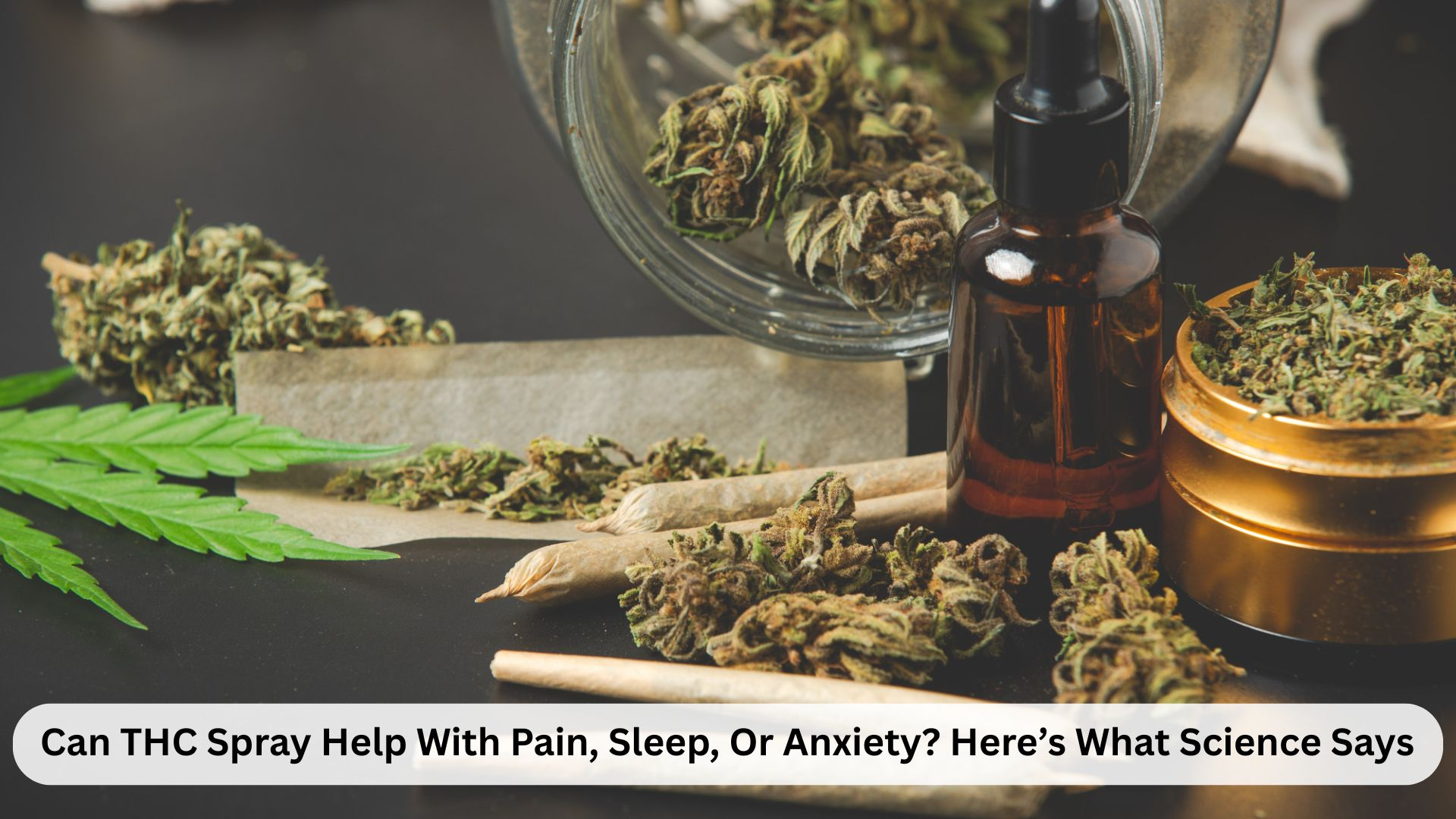
It’s 2 a.m., and you’re in bed, wide awake, despite needing to sleep badly. Or maybe you’re in the middle of the afternoon, and a sudden jab of pain slices through your back for the tenth time that day. For others, the fight comes as restless thoughts that won’t cease. With every one of these, people often look for something natural, discreet, and useful to help them relax. That’s where attention has been generated in THC sprays.
THC, the psychoactive constituent in marijuana, has been the subject of increasing research over the past decade. So what makes THC spray different is that it’s fast, easy, and not smoke or vape-related.
But does it really treat pain, sleep, or anxiety?
The answers might surprise you.
What is THC Spray And How Does It Work?
In effect, a THC spray is a sublingual or oral product delivering a controlled quantity of tetrahydrocannabinol, the primary cannabinoid of cannabis. Because it’s sprayed onto the tongue or in the mouth, it enters the bloodstream rapidly. This path of administration is one of the primary reasons people are looking into THC spray, especially compared to edibles, which take longer to take effect.
Most sprays contain a mixture of THC, carrier oils, and sometimes CBD, intended to neutralize the psychoactive effect. Flavoring is added to make them more palatable. Sprays are active in 15 to 30 minutes and effects last two to four hours. This is faster than edibles but longer than smoking.
The physiological basis of THC spray lies within the body’s endocannabinoid system, which is responsible for managing pain, sleep, mood, and stress response. THC binds to CB1 receptors in the brain and nervous system, which is why its impact is both psychological and physical.
THC Spray For Pain Relief. What Research Suggests
Chronic pain is one of the most common motivations people have for using cannabis products. Studies show that THC may have an impact on the brain’s pain transmission paths, potentially making the feeling of pain feel milder.

Neuropathic pain, usually associated with nerve damage, may prove particularly stubborn to treat using standard medications. THC spray could potentially provide relief by rewriting the way the brain responds to nerve signals. In the same vein, patients with conditions like arthritis or multiple sclerosis may improve when they use THC-based sprays, although there’s a possibility of varied results.
Professionals, though, recommend starting with low doses. Even though there are studies that describe people reducing their use of opioids after adding THC to their treatment, it’s not the answer for everyone. Careful monitoring, and in some cases using it in combination with physical therapy, may be used to help bring the most benefit.
Is THC Spray Useful for Sleep?
Sleep problems have a ripple effect on almost everything in life. From mood to energy to physical health, not sleeping is problematic. That’s why so many are looking at THC sprays as an option for better sleeping.
According to the Sleep Foundation, marijuana is able to help by reducing the onset of sleep and prolonging deep sleep phases. Insomnia sufferers who use THC sprays may not only fall asleep quickly but also sleep longer.
The calming effects of THC might also calm racing minds, one of the biggest barriers to sleep. But daily use might lead to tolerance, when higher doses would need to be taken subsequently to achieve the same effect. Others propose using THC spray a few nights a week rather than every night, which may preserve its effectiveness.
THC Spray and Anxiety
Anxiety is also an area where THC spray provokes interest, but the evidence paints a mixed picture. On the one hand, low doses of THC may potentially lower nervousness, but people feel calmer in anxious situations. This means patients with post-traumatic stress disorder may feel less anxious when on THC-based therapies.
Conversely, higher dosing will also have an opposite effect, inducing anxiety, paranoia, or a racing heart. This paradox explains why people swear by THC to calm their minds while others prefer to avoid it.
Novices need to be particularly careful. Very low doses under calm, low-stress circumstances may give some idea of one’s tolerance. For people with heart conditions or who panic easily, it would be wise to speak with a medical physician before attempting THC spray.
Safety Tips
Experts recommend a “start low and go slow” approach. Beginning with a low dose —typically between 2.5 milligrams of THC — may minimize unpleasant side effects and still allow the user to determine its effectiveness. Keeping track of how the spray affects mood, pain, and sleep over time can also help determine whether or not it is a good fit.
Also, watch for interactions with prescription drugs, alcohol, or sedatives. Since THC tends to make people sleepier, combining it with other drugs must be handled with caution. And of course, users must keep an eye out for local law, since THC remains legally controlled in various forms throughout the nation.
Conclusion
What’s unique about THC spray isn’t merely its ease of use but its versatility. For one, it might alleviate chronic pain, whereas for others, it might help them sleep better or provide a few moments of peace amidst the anxiety. But the same product won’t have the same effect on all individuals, and that’s where careful experimentation comes into play.
Rather than perceiving THC spray as a sort of magic bullet, it might be better to think of it as one piece in a large health puzzle. Supplementing it with habits like exercise, mindfulness, and good habits might heighten its effects.
The most worthwhile consideration is this one: start slowly, listen to your body, and if in doubt, ask the experts. By doing so, you can realize that the appropriate balance is what brings actual improvements to your everyday life.