
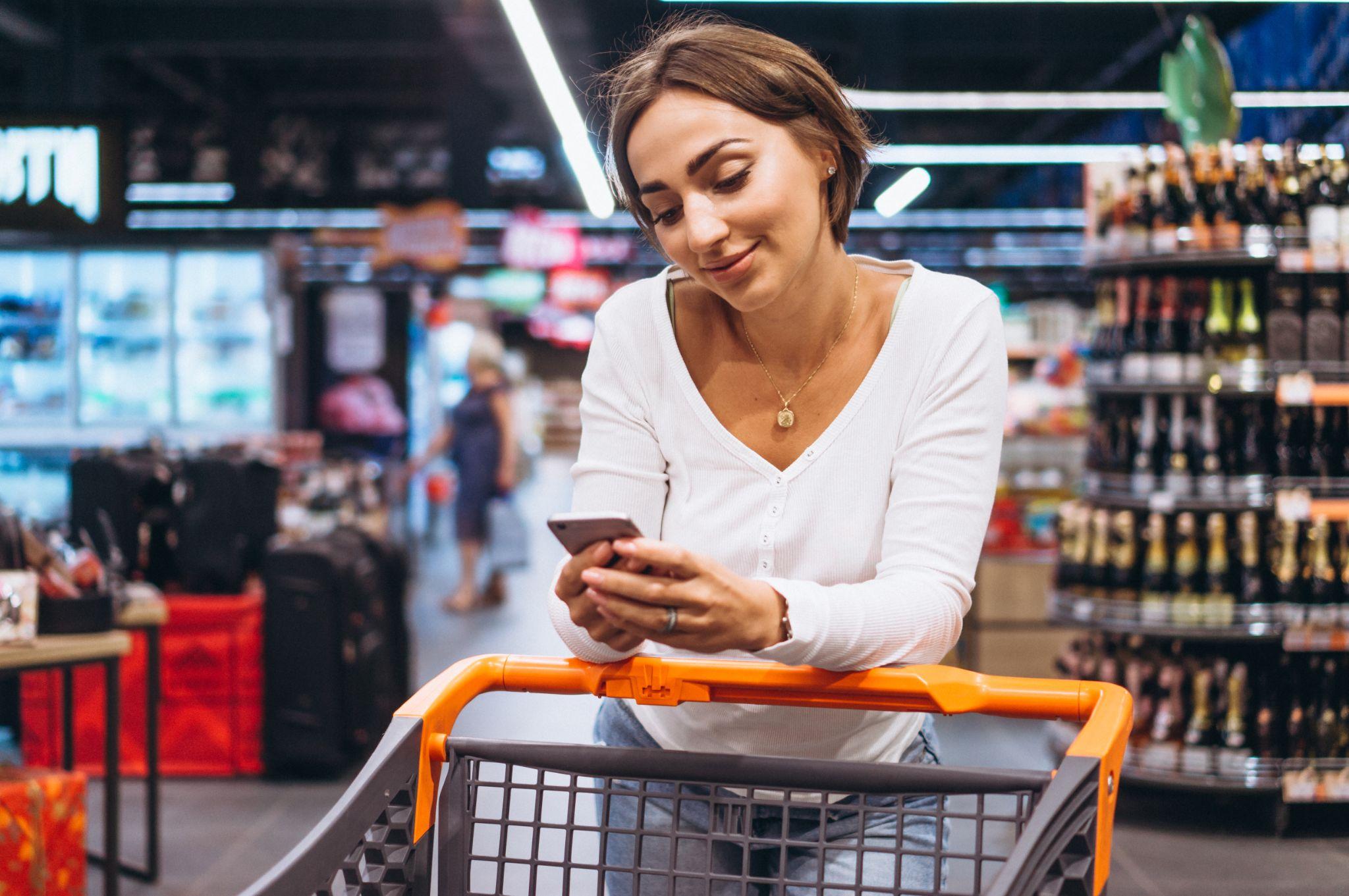
The days of lugging around a wallet filled with crumpled receipts and worn cash are long gone. With the rise of digital wallets, it is possible to leave home with nothing but your smartphone and still grab a coffee, book a ride, or even spin some reels online.
As digital wallets have grown in popularity and user-friendliness, they have become the financial backbone of convenient, accessible payments.
Whether you’re using one to pay for dinner or to order your favourite author’s new book online, there are various scenarios in which digital wallets work well. However, while the technology behind these wallets has advanced significantly, certain sectors have yet to catch up, making them more suitable for some situations than others. Below, we’ll discuss their functionality, uses, and limitations.
What Is a Digital Wallet?
Digital wallets, also known as e-wallets, are digital systems or apps that allow you to store your bank debit or credit card details securely. When you pay, they share this information either online or through NFC technology at physical retailers.
Although closed digital wallets exist—created by certain companies for use in their own ecosystems (such as Amazon Pay)—the most popular type is the open wallet, like Apple Pay, Google Wallet, or PayPal.
Initially designed merely to store payment information, these wallets have evolved to store a variety of additional information, bringing them ever closer to replacing the physical wallet. This includes travel documents, identity documents, and even licences in some instances.
Due to their popularity, these wallets have also become increasingly integrated into the core of modern technology. As such, wallets like Apple Pay and Google Wallet are built-in functions of the iOS and Android operating systems.
Everyday Errands
Among the most common applications of digital wallets is their role in everyday life. From tapping our phones to purchase a coffee on the way to work to picking up some items for dinner on the way home, digital wallets help us avoid searching for a card and then processing a slow chip-and-PIN transaction.
In addition to being faster and more convenient, digital wallets are more suited to everyday transactions because, even if you forget your wallet at home, you are still able to make a payment. Since you’ll never have to rush home or leave your purchases behind again, you’ll ultimately run errands more smoothly.
Travelling
The best digital wallets allow multiple documents and cards to be stored, including boarding passes, train tickets, and even identity documents.
These abilities make travelling significantly easier and lighter as you don’t have to worry about carrying or losing your physical passes and documents. Instead, they can be loaded directly to your wallet beforehand and accessed at a moment’s notice when you need them.
Subscriptions and Mobile Purchases
Many digital wallets support recurring payments for subscription services. This allows you to set up recurring payments and avoid entering your card details each time. Instead, each time a renewal becomes due, your wallet will automatically be charged, and your service can continue.
In addition to subscription services, digital wallets are perfectly suited to mobile purchases made in-game or through app stores. When using a digital wallet, these payments can often be completed in one tap and authorised with your biometric data. This makes purchases more convenient while ensuring that your financial information is kept secure if your device is compromised.
Online Transactions
While all the above are instances in which digital wallets bring a high degree of convenience, security, and even ease, there is no area where these wallets shine more than in processing online transactions.
With more than 11.4 billion online transactions occurring in the UK in 2022, recent statistics indicate that this number has grown significantly. The growth of e-commerce and digital entertainment, such as online casinos, has contributed significantly to this trend as more people begin to trust online transactions.
Used for only a billion transactions in 2019, digital wallets became the primary payment method for more than nine billion transactions by 2023.
Several major factors drive the increased use of digital wallets for online transactions.
Convenience
Chief among these factors is the convenience these digital wallets bring. When making a payment using these methods, you don’t need to re-enter your card or payment information. Instead, you can just log into your digital wallet account (or provide biometric data), and all your payment information will automatically pull through.
Added Security
Because many digital wallets make use of additional encryption methods and various authentication protocols, such as requiring biometric approval, payments made with these platforms are extremely secure. Many also have significant anti-fraud mechanisms that protect the information stored within the wallet, as well as any information shared when processing a transaction.
Accessibility
Due to the rise of digital wallets, many online platforms now accept them as a payment method. From online clothing retailers to casino sites accepting Trustly payments, there are many places where the convenience and security these wallets offer can be useful.
Budgeting
Another area in which digital wallets excel is personal finance tracking. Many come with built-in spending trackers that allow you to quickly and easily see when, where, and how much money you’ve spent.
By having easy access to this data, you can compare it against your regular monthly budget to evaluate whether you’re on track or need to rein in your spending.
Conclusion
Digital wallets may have started as a convenient feature introduced by smartphone manufacturers, but they’ve now become an essential part of daily life for millions. Offering convenience, speed, accessibility, and security, they have replaced the bulky wallets of the past and ushered in a new way to transact.
With more people adopting the use of these wallets and ongoing development aimed at improving them, there is no doubt that traditional wallets may soon be replaced entirely by simple apps that will never be forgotten at home.